


Finding affordable, high-quality accommodation for international research trips remains a significant hurdle for doctoral candidates navigating limited stipends and rising urban rental costs. A PhD student home exchange offers a strategic solution by facilitating direct swaps or house-sitting arrangements with fellow academics, ensuring a productive environment tailored to scholarly needs. By leveraging trusted networks like SabbaticalHomes.com, researchers can eliminate substantial housing expenses while fostering professional connections within the global academic community.
A PhD student home exchange is one of the most practical and underused housing solutions available to doctoral researchers today. Instead of paying hotel rates in major academic cities, PhD students swap homes with other academics for the duration of a research trip, fellowship, or fieldwork block. The result: furnished accommodation near a university, often with a dedicated workspace, at a fraction of the cost of commercial alternatives. This model is particularly beneficial for those who must travel for archival research, laboratory collaborations, or intensive writing retreats where a stable, quiet environment is paramount.
Here is what you need to know at a glance:
| Question | Quick Answer |
|---|---|
| What is it? | A temporary swap of homes between two academics, typically without rent exchanged |
| Who uses it? | PhD students, post-docs, researchers, and professors |
| How long do exchanges last? | Usually 3 weeks to 6 months, aligned with academic calendars |
| How much can you save? | Approximately USD $12,000–$28,000 on a single 3–4 month research stay |
| Where can you arrange one? | Academic platforms such as SabbaticalHomes |
| Is it safe? | Yes, when using platforms with reference checks and verified academic profiles |
Unlike a standard short-term rental or university housing waitlist, an academic home exchange connects you with a peer who understands your situation. Your exchange partner is typically another scholar — someone who values a quiet workspace, respects a well-organised home, and shares your need for reliable internet and proximity to a campus or library. This mutual understanding creates a foundation of trust that is often missing in the broader short-term rental market.
The financial case alone is compelling. A three-month stay in a hotel in a city like London, New York, or Geneva can easily exceed USD $20,000. A home exchange through an academic platform replaces that cost with a modest annual membership fee, typically USD $150–$300 per year. For a doctoral candidate living on a modest stipend, these savings can be the difference between completing a vital research trip or being forced to scale back the scope of their dissertation.
But the benefits go well beyond cost savings. Scholars who use home exchanges often report deeper cultural immersion, stronger local academic networks, and a more productive research environment than they would find in a hotel or serviced apartment. By living in a residential neighbourhood, you gain a truer sense of the local culture and academic life, which can provide unexpected insights into your research.
Related:
- The Professor’s Guide to Home Exchanges (No Lecture Required!)
- How to Successfully Plan a Long Term Home Exchange and Live Like a Local
- Minds on the Move: Why Every Academic Needs a Home Swap
The Mechanics and Benefits of a PhD Student Home Exchange
At its core, a phd student home exchange is a mutual agreement where two individuals swap residences for a set period. Unlike university housing, which often has rigid annual contracts or long waitlists, these exchanges are flexible and tailored to the scholar’s timeline. Whether you are heading to the British Library in London or conducting archives research in Paris, staying in a fellow academic’s home provides an environment conducive to deep work. This flexibility is essential for researchers who may need to adjust their travel dates based on laboratory availability or archival access.
Most listings on SabbaticalHomes are fully furnished and located in quiet, residential areas near major institutions. For example, a student might find a mome exchange for PhD Students that includes a private library or an academic home exchange in Europe within walking distance of a partner university. This proximity eliminates the stress of long commutes, allowing you to focus entirely on your dissertation or lab work. Furthermore, these homes are often equipped with the specific tools a researcher needs, such as ergonomic chairs and high-speed internet, which are frequently lacking in standard holiday rentals.
Financial Savings and Productivity for PhD Student Home Exchange
For many doctoral candidates, the cost of living is the greatest barrier to international research. Stipends are often modest, and commercial short-term rentals in cities like New York or Boston can consume an entire year’s funding in just a few months. By participating in a phd student home exchange, you effectively remove the cost of rent from your travel budget, allowing you to allocate those funds toward research materials, conference fees, or archival access.
Consider this PhD Student Home Exchange Example: by swapping a flat in Toronto for a home in London, both parties save thousands on accommodation. Beyond finances, productivity is a major draw. Academic homes are designed for “minds on the move,” often featuring expansive bookshelves and dedicated study areas. This is a far cry from the cramped desk of a hotel room or the noisy environment of a tourist-heavy hostel, where the lack of privacy can severely hinder intellectual progress.
Flexible Models for the Academic Calendar
We understand that academic schedules are rarely perfectly aligned. To accommodate this, several exchange models exist within the SabbaticalHomes community:
- Simultaneous Swaps: Both parties move into each other’s homes on the same dates, which is ideal for semester-long fellowships.
- Non-Simultaneous Exchanges: You might host a visiting scholar during your summer fieldwork and stay in their home during your winter sabbatical. This requires a high degree of coordination but offers maximum flexibility.
- House Sitting with Rental: Rentals with house sitting duties are the most prevalent model and a cornerstone of the community since 2000. A researcher might stay in a home at a reduced rate in exchange for light house sitting duties, such as minding pets or watering a garden.
This flexibility is ideal for a home exchange for graduate students who may need to travel during semester breaks or specific fellowship windows. By offering various models, SabbaticalHomes ensures that every researcher can find a housing arrangement that fits their unique schedule and budgetary constraints.
Navigating Safety, Logistics, and Academic Networking
The transition from a home base to a new city involves more than just swapping keys. It is about entering a new academic ecosystem. A phd student home exchange often acts as a bridge to new professional connections. Your host might introduce you to departmental colleagues, provide “insider” tips on accessing restricted archives, or recommend the best local libraries for quiet study. These informal networks are invaluable for doctoral students looking to establish themselves in their field.
Step-by-Step Guide to Your PhD Student Home Exchange
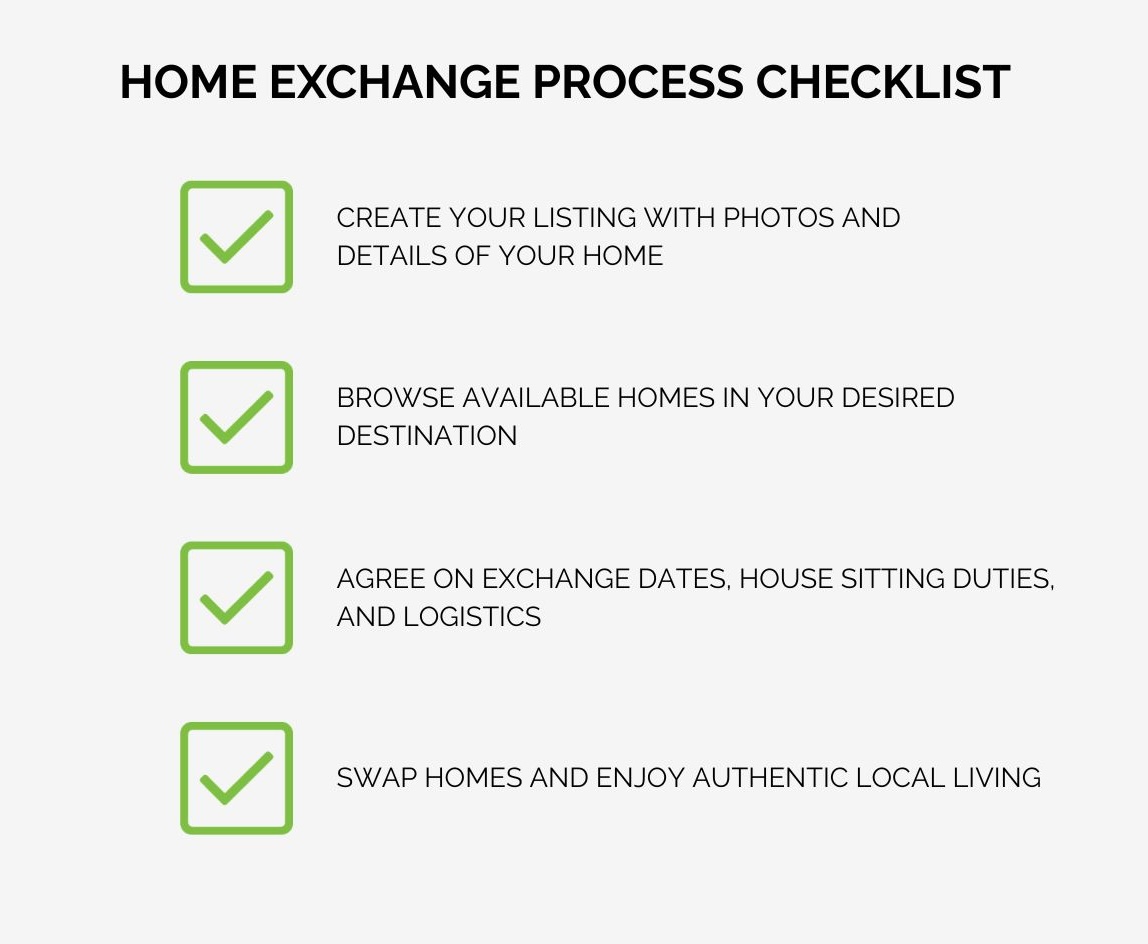
Arranging an exchange requires clear communication and meticulous planning. Follow these steps for a smooth experience:
- Create a Detailed Listing: Highlight your university affiliation and research interests. Mention if you have a dedicated office, high-speed internet, or a pet-friendly space. A well-crafted listing attracts like-minded scholars.
- Search Strategically: Use filters to find homes near specific libraries or departments in cities like Berkeley or Cambridge. Consider the proximity to public transport and local amenities.
- Initiate Contact: Send a professional inquiry. Briefly explain your research goals and why their location is ideal for your work.
- The Video Call: This is essential for vetting. Discuss expectations for cleanliness, utility payments, and house rules. It is also an opportunity to see the workspace and ensure it meets your needs.
- Finalise the Agreement: Put everything in writing, including dates, emergency contact information, and any specific house-sitting duties. Clear documentation prevents misunderstandings later.
Building Trust and Vetting Academic Partners
Safety is a primary concern for any traveller. SabbaticalHomes facilitates trust through a community-driven approach. Unlike anonymous booking sites, our platform is built on academic integrity and mutual respect. We encourage members to use our Trust Score system, verify university email addresses, and perform thorough reference checks. This peer-to-peer vetting process ensures that you are connecting with individuals who share your professional values.
Formal programmes, such as the Doctoral Exchange partnerships between institutions like Cambridge and Sciences Po, demonstrate the high level of trust inherent in the scholarly community. When you swap with a peer, there is a mutual understanding that you will treat their home with the same respect you expect for your own. This shared sense of responsibility is what makes the SabbaticalHomes community so resilient and reliable.
Practical Considerations: Visas, Insurance, and Workspaces
Before you depart for an academic exchange, address these practicalities:
- Visas: Ensure your visa allows for the duration of your stay. Many countries have specific requirements for Prospective Doctoral Student/Researcher Visitors. Start this process early to avoid delays.
- Insurance: Check if your home insurance covers temporary occupants or if you need a specialised travel policy. It is also wise to confirm if your host has insurance that covers guests.
- Workspaces: Confirm the availability of a dedicated office. Reliable internet is non-negotiable for modern research, so ask for a speed test if necessary. Ensure the desk and chair are suitable for long hours of writing.
- Maintenance: Agree on who handles minor repairs or garden upkeep during the stay. Having a clear plan for emergency repairs will provide peace of mind for both parties.
Conclusion: Joining a Global Community of Scholars
Since 2000, SabbaticalHomes.com has been a trusted resource for academics and scholars seeking affordable, short-term furnished housing options, leveraging expertise to address the unique challenges of finding reliable accommodation. A phd student home exchange is more than just a way to save money; it is an invitation to join a global network of “minds on the move.” By participating in this community, you contribute to a culture of mutual support and intellectual exchange that transcends borders.
By stepping out of the traditional rental market and into the homes of fellow researchers, you gain a sense of belonging that enriches your scholarship. Explore our listings to find the right home to provide the foundation upon which your research life rests. We invite you to share your experiences and become an active member of our scholarly network.
Let us know what you think! Connect with us on X, LinkedIn, Facebook, Instagram, YouTube and Pinterest.