


This comprehensive guide examines the strategic advantages of a Boston researcher house swap for academics and visiting scholars. By utilizing specialized platforms like SabbaticalHomes.com, researchers can bypass the city’s expensive rental market to find furnished accommodation near institutions like Harvard and MIT. We explore neighborhood selection, cost-saving strategies, and the unique house-sitting model that has served the academic community since 2000, ensuring a productive relocation to this intellectual hub.
Boston researcher house swap opportunities offer academics a practical, affordable way to secure furnished housing near world-class universities without the steep costs of traditional rentals or hotels. Whether you are coming to Boston for a semester at Harvard, a research fellowship at MIT, or a sabbatical at Boston University, home exchanges and rentals through academic-focused platforms can save you thousands whilst providing the workspace and community connections you need. This approach is particularly beneficial in a city where the intellectual atmosphere is as dense as the housing market is competitive. The Boston housing market is notoriously difficult to navigate, with high demand and a unique lease cycle that often begins on the 1st of September. For a visiting scholar arriving mid-semester or for a short-term project, these traditional constraints can be a significant barrier. A house swap provides the flexibility that the standard market lacks, allowing for bespoke dates that align with fellowships and grants.
Quick Answer: How Boston Researcher House Swaps Work
- Join a platform – Sign up on an academic housing platform like SabbaticalHomes (serving 2+ million users in 65+ countries).
- Create your listing – Detail your home’s features, workspace amenities, and proximity to universities. Highlighting a quiet environment and high-speed internet is essential for attracting fellow researchers.
- Search & connect – Find homes in Boston neighborhoods like Jamaica Plain, Brookline, or Cambridge. Use filters to find specific requirements like “pet-friendly” or “no-smoking.”
- Arrange your swap – Coordinate through video calls, reference checks, and written agreements. This ensures both parties are comfortable with the arrangement and understand the house rules.
- Save substantially – Eliminate accommodation costs that can exceed USD $7,000 monthly in Boston hotels. These savings can then be redirected into your research, travel, or archival fees.
Home exchanges eliminate rent entirely through reciprocal arrangements, whilst furnished academic rentals often include the offices, high-speed internet, and quiet spaces essential for productive research. The financial burden of relocating to a high-cost city like Boston can be overwhelming, but the academic community has developed its own internal economy based on trust and mutual benefit.
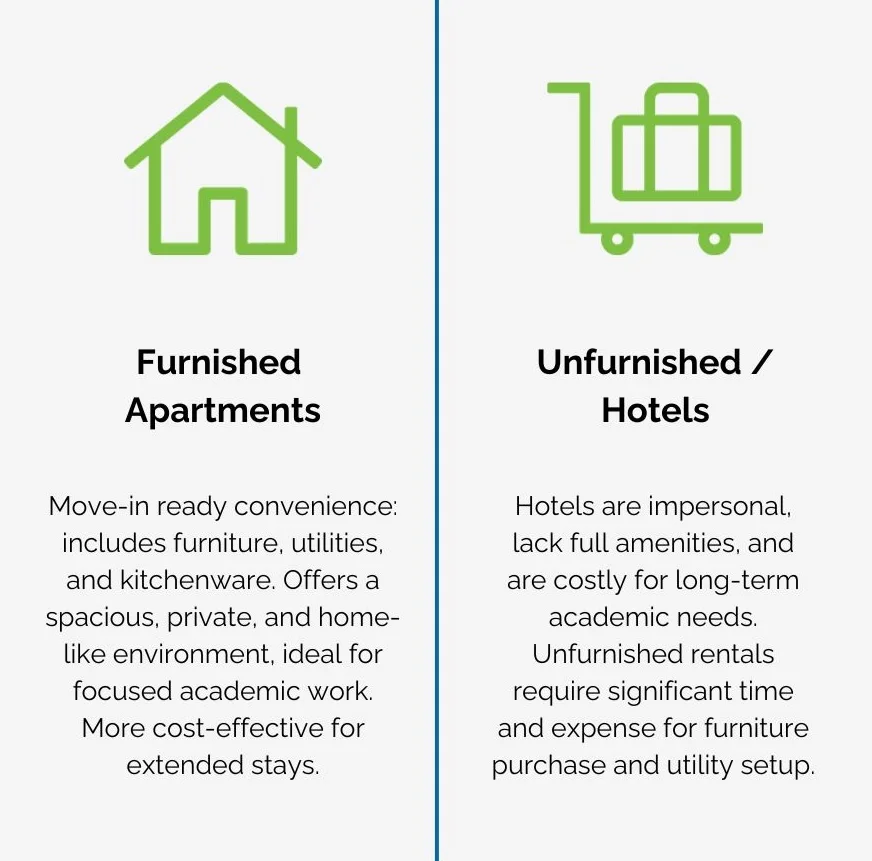
Why a Boston researcher house swap is the ultimate academic solution
For a scholar, a home is more than just a place to sleep; it is a sanctuary for thought, a writing retreat, and a base of operations. In a city like Boston, where the cost of living is notoriously high, a Boston researcher house swap aligns perfectly with academic values of trust, collaboration, and mutual support. Unlike generic holiday swaps, these arrangements are often between peers who understand the need for a quiet morning, a sturdy desk, and a reliable internet connection. The intellectual rigor of a research trip requires an environment that supports deep focus, something that a sterile hotel room or a noisy commercial flat share rarely provides.
One of the most significant advantages is the immediate access to a “lived-in” academic environment. Staying in a fellow academic’s home often means you are inheriting a library of local knowledge—which bus takes you to the Longwood Medical Area fastest, or which cafe in Jamaica Plain is best for grading papers. This peer-to-peer exchange of information is invaluable for someone new to the city, helping them to integrate quickly into the local scholarly community.
The peace of mind offered by these exchanges is invaluable. When you swap with a colleague, you are not just saving money; you are ensuring your own home is cared for by someone who respects the scholarly lifestyle. Many members find that these arrangements blossom into long-term professional friendships and research collaborations. The shared understanding of the pressures of publication deadlines and grant applications creates a unique bond between swappers. You are not just a tenant; you are a guest in a peer’s home, and that distinction changes the entire nature of the stay.
Finding the perfect Boston researcher house swap in Jamaica Plain or Brookline
When searching for a Boston researcher house swap, location is everything. Jamaica Plain (JP) is a perennial favourite for academics due to its vibrant culture and proximity to the Arnold Arboretum. It offers a “village” feel within the city, with many listings featuring dedicated home offices in renovated attics or sunrooms. The neighborhood is known for its diverse community and independent shops, making it an ideal place for those who want to experience the authentic side of Boston life whilst remaining close to the city’s academic core.
Brookline is another top-tier choice, particularly for those with affiliations at the Longwood Medical Area or Boston University. It is a walkable, family-friendly neighborhood where you can often find Victorian-style homes or modern condos. The public school system in Brookline is world-renowned, which is a major draw for researchers travelling with their families. For those looking slightly further afield but still within an easy commute, we recommend checking out Somerville rentals, which offer excellent bikeability and a thriving arts scene. Somerville has become a hub for younger researchers and those affiliated with Tufts University, offering a slightly more bohemian atmosphere than the more traditional parts of Cambridge.
How much can I save with a Boston researcher house swap?
The financial logic of a house swap is hard to ignore. With average hotel prices in major academic hubs exceeding USD $230 per night, a month-long research trip can easily cost USD $7,000 in accommodation alone. A full semester (four months) could top USD $28,000. These figures are often beyond the reach of even the most well-funded research grants, making alternative housing not just a preference, but a necessity.
By contrast, a home exchange through SabbaticalHomes involves modest pricing and membership fees, effectively reducing your accommodation budget. Even if you opt for a furnished rental rather than a pure swap, the rates within the academic community are typically more reasonable than those found on commercial platforms. This financial independence allows researchers to allocate their grants toward actual research, archival fees, or conference travel rather than just keeping a roof over their heads. In a city where a simple one-bedroom flat can cost USD $3,500 a month, the ability to swap homes is a game-changer for the academic career path.
Top Boston neighborhoods for scholarly stays
Choosing the right neighborhood can define your Boston experience. The city’s layout is a patchwork of historic districts, each serving different institutional hubs. Being near reliable public transport like the MBTA (the “T”) is essential for accessing the vast network of libraries and archives. Understanding the nuances of each area can help you find a home that matches your research pace and lifestyle needs.
- Back Bay & Beacon Hill: Ideal for those who want to be in the heart of historic Boston, near the Boston Public Library and the Charles River Esplanade. These areas are characterized by beautiful brownstones and cobblestone streets, offering a quintessential Bostonian experience. However, they are also among the most expensive, making a house swap here particularly valuable.
- Cambridge: The primary base for Harvard and MIT. Areas like Huron Village offer quiet, leafy streets that are perfect for writing. Cambridge is more than just a university town; it is a global centre for innovation and research. Living here puts you within walking distance of some of the world’s most important archives and laboratories.
- West Roxbury: A more suburban feel with great value, often featuring larger homes with gardens and parking, suitable for researchers traveling with families. It is a bit further from the city center but offers a peaceful retreat after a long day in the library.
In fact, the city has even experimented with innovative housing models. The Intergenerational Homeshare pilot by the City of Boston highlighted the success of pairing researchers with older homeowners, proving that there is a deep well of available space in neighborhoods like Newton and beyond. This model not only provides affordable housing but also fosters social connections across generations, which can be incredibly rewarding for a visiting scholar.
Proximity to the Longwood Medical Area and Fenway
For medical researchers and those affiliated with Harvard Medical School or Beth Israel, finding a Boston researcher house swap near Longwood is a priority. This area is densely packed with institutions, making local housing highly competitive. The Longwood Medical Area is a world-class hub for clinical research and healthcare, and being able to walk to your lab or clinic can save hours of commuting time each week. We frequently see Boston area listings in the Fenway and Mission Hill areas that cater specifically to visiting fellows and clinical researchers who need to be within walking distance of the hospitals. These neighborhoods offer a mix of modern apartments and historic brick buildings, with plenty of green space nearby in the form of the Back Bay Fens.
Living in Cambridge and Somerville for MIT and Harvard access
Cambridge is the quintessential “university town.” From the bustling squares of Harvard and Central to the quieter residential pockets of Porter Square, this area is designed for the academic lifestyle. The density of bookstores, cafes, and lecture halls is unmatched anywhere else in the world. If you cannot find a direct swap in Cambridge, look at Winchester or Arlington; these suburbs are connected via the Commuter Rail or bus lines, offering a peaceful retreat while keeping the campuses within easy reach. Somerville, Cambridge’s neighbour to the north, has also become a favourite for researchers. Its Union Square and Davis Square areas are vibrant hubs of activity, with a strong sense of community and a high concentration of fellow academics and creative professionals.
Navigating the logistics of an academic home exchange
A successful Boston researcher house swap relies on clear communication and mutual trust. Because our community is built on shared professional values, the vetting process is often more thorough and personal than on commercial sites. When you are dealing with a fellow scholar, there is an implicit understanding of the importance of a quiet environment and the respect for one’s personal library and workspace. This shared culture makes the logistics of swapping much smoother than a typical holiday rental.
We recommend starting with a “chemistry check”—a video call to discuss house rules, expectations, and research schedules. It is also standard practice to exchange references, often from within the academic community. Once you feel comfortable, formalize the arrangement with a written agreement. This should cover the specifics of the stay, including utility responsibilities, emergency contacts, and any house-sitting duties. For more detailed advice, our guide on long-term international swaps provides a comprehensive checklist for scholars. Having a clear plan for things like mail collection, plant watering, and emergency repairs ensures that both parties can focus on their work without distraction.
Related: Checking References: The First Step to a Successful Stay
Creating a listing that attracts trustworthy scholars
To attract the right match, your listing should highlight what matters to an academic. Do not just list the number of bedrooms; describe the desk, the ergonomic chair, and the strength of the Wi-Fi. Mention the walking distance to the nearest university library or the quietness of the street during the day. High-quality, honest photos are essential, particularly of the workspace and the kitchen. You can manage and update your details easily through our home rental and exchange listings. Be sure to mention any unique features of your home, such as a collection of academic journals, a piano, or a garden that offers a peaceful place for reflection.
Managing non-simultaneous swaps and house sitting duties
Flexibility is a hallmark of the academic calendar. Not all swaps need to happen at the exact same time. Non-simultaneous swaps allow you to host a visitor while you are still at home (perhaps in a guest suite) and then use their home at a later date. This can be particularly useful for researchers who are attending conferences at different times of the year.
Additionally, many of our members engage in house sitting arrangements. Within the SabbaticalHomes academic community, a rental with house sitting duties is the most prevalent model and a cornerstone of the community since 2000. This model has been the foundation of our community for over two decades, fostering relationships built on trust and mutual benefit. House sitting is an option for all listing types (Home Rental, Home Exchange, Tenant Listings) and typically involves household help (garden, mail, pets) rather than being strictly rent-free. This arrangement is ideal for scholars who want to ensure their home is occupied and cared for while they are away, providing peace of mind and a sense of security. It also allows the visiting researcher to enjoy a more affordable stay in exchange for their help with the property.
Comparing costs: Traditional rentals vs. researcher-focused platforms
When you look at the numbers, the “academic advantage” becomes clear. Traditional short-term rentals in Boston are often subject to “dynamic pricing” that spikes during graduation season or major conferences. This can make it nearly impossible for a researcher on a fixed budget to find stable housing. Furthermore, the traditional rental market in Boston often requires a significant upfront investment, including first month’s rent, last month’s rent, a security deposit, and a broker’s fee. These costs can exceed USD $10,000 before you even move in.
| Accommodation Type | Estimated Monthly Cost (Boston) (USD) | Amenities |
|---|---|---|
| Hotel | $7,000+ | Daily cleaning, no kitchen, no office |
| Commercial Short-term Rental | $4,000 – £6,000 | Furnished, varies widely in quality |
| Academic Rental | $2,200 – £3,500 | Furnished, home office, campus proximity |
| Home Exchange | $0 (plus membership) | Full home, office, reciprocal trust |
By using tenant listings, researchers can broadcast their specific needs to potential hosts, often finding off-market opportunities that never hit the general real estate sites. This proactive approach allows you to find a home that perfectly matches your research schedule and location requirements, often at a fraction of the cost of a commercial rental.
Why specialized platforms outperform general home-share sites
General platforms are designed for tourists; SabbaticalHomes is designed for scholars. Our community understands that you might need to stay for exactly 10 weeks to match a fellowship, or that you need a home with “no cats” due to allergies. We vet for a studious atmosphere, ensuring that the homes listed are suitable for serious academic work. Whether you are looking for Massachusetts exchanges in the Berkshires or a flat in the heart of Back Bay, you are dealing with people who value privacy, respect, and diversity. The shared professional background of our members creates a level of accountability and mutual respect that is often missing from more commercial platforms.
Frequently Asked Questions about Boston researcher house swaps
How do I ensure my home is safe during an exchange?
Trust is the currency of our community. We encourage members to perform their own due diligence by checking institutional affiliations and speaking with past references. Many of our members have been using the platform for over a decade without issue, precisely because they are swapping with like-minded professionals who value the same standards of care and respect. It is also advisable to check your home insurance policy to ensure that you are covered for a home exchange or short-term rental. Most members find that the personal connection they establish with their swap partner provides a much higher level of security than a traditional rental agreement.
Are these swaps suitable for families with children?
Absolutely. Many Boston researcher house swap listings are for family homes in residential areas like Jamaica Plain or Brookline. These homes often come equipped with children’s books, toys, and proximity to excellent local schools and parks. You can filter for bedrooms or family-friendly listings to find the right fit for your household, ensuring a smooth transition for the whole family. Traveling with children can be challenging, but staying in a real home with a garden and a kitchen makes the experience much more manageable and enjoyable for everyone involved.
What happens if my research trip dates change?
The academic world is unpredictable. One of the benefits of dealing directly with a fellow scholar is the high degree of mutual understanding. If your grant is delayed or your fellowship is extended, open communication usually allows for flexible adjustments. We have listings in areas like Sharon that offer varying trip lengths to accommodate shifting schedules, providing the flexibility that traditional leases often lack. Because you are dealing with an individual rather than a large corporation, there is often more room for negotiation and mutual support when plans change unexpectedly.
Conclusion
Whether you are a professor embarking on a sabbatical or a researcher starting a new fellowship, the right home is waiting for you. Start your Boston researcher house swap today and join a community of minds on the move.
Related:
- Commuting Made Easy: Best Transit-Friendly Boston Rentals
- Quick Stays for Scholars Near Boston’s Top Universities
- Where Do Harvard and MIT Visiting Researchers Typically Live? A Guide to Boston’s Best Neighborhoods
Let us know what you think! Connect with us on X, LinkedIn, Facebook, Instagram, YouTube and Pinterest.