

This comprehensive guide explores the nuances of securing short-term faculty housing near Boston University and Northeastern University. It details the most suitable neighborhoods for visiting scholars, compares various accommodation types—from furnished apartments to academic home exchanges—and provides essential advice on budgeting and commuting. By focusing on the unique requirements of the academic community, this resource helps professors and researchers establish a productive base in one of the world’s premier intellectual hubs.
Finding short-term faculty housing near Boston University and Northeastern requires a strategic approach to location, timing, and trust. This guide highlights the most reliable neighborhoods and housing types for visiting professors, researchers, post-docs, and doctoral students seeking a productive base in Boston. By understanding transport links, typical costs, and community-based options through SabbaticalHomes.com, scholars can secure a comfortable home-away-from-home near these prestigious institutions.
Securing short-term faculty housing near Boston University and Northeastern requires balancing proximity to the Green and Orange MBTA lines with the specific needs of an academic lifestyle. This guide details the best neighborhoods, from Brookline to the South End, and explores diverse accommodation types including furnished apartments and academic home exchanges. By leveraging university-affiliated discounts and specialized platforms, scholars can secure productive and comfortable stays in Boston’s vibrant academic corridor.
Short-term faculty housing near Boston University and Northeastern is in high demand — and the options can feel overwhelming without a clear starting point. Boston is a city defined by its intellectual heritage, and the area surrounding these two institutions is particularly dense with research activity. For a visiting scholar, the choice of residence is not merely about a bed, but about finding an environment that fosters concentration and provides easy access to archives, laboratories, and colleagues.
Here is a quick overview of your best options:
| Housing Type | Typical Cost (USD) | Min. Stay | Best For |
|---|---|---|---|
| Furnished apartments (off-campus) | ~$1,000–$2,200/month | 30 days | Visiting professors, researchers |
| Guest houses (e.g., Longwood area) | ~$1,500/month | 1–3 months | Academics near medical/research campuses |
| Homestays | ~$280–$350/week | Flexible | Solo scholars on tighter budgets |
| Short-term hotels/extended stays | ~$50–$200/night | 1–14 nights | Conference speakers, short visits |
| Academic home exchanges/house sitting | Varies (low or no rent) | Semester-based | Sabbatical scholars, mutual arrangements |
Boston’s academic corridor — stretching through the Fenway, Mission Hill, South End, and Brookline neighborhoods — sits squarely between both campuses. That proximity is a major advantage. However, short lease terms, competitive availability, and Boston’s notoriously high rental costs make planning ahead essential. The market operates on a strict cycle, often dictated by the academic calendar, meaning that those arriving for the autumn semester must begin their search in the early spring.
Whether you are arriving for a semester-long fellowship, a research residency, or a visiting professorship, understanding what is available, where, and at what cost before you arrive makes all the difference. Since 2000, SabbaticalHomes has been a trusted resource for academics and scholars seeking affordable, short-term furnished housing options, leveraging firsthand expertise to address the unique challenges of finding reliable accommodation.
Related:
- Boston Bound: Finding Your Dream Rental Home
- The Best Boston Rentals for Productive Post-Docs
- Where Do Harvard and MIT Visiting Researchers Typically Live? A Guide to Boston’s Best Neighborhoods
Navigating Neighbourhoods for Short-Term Faculty Housing Near Boston University and Northeastern
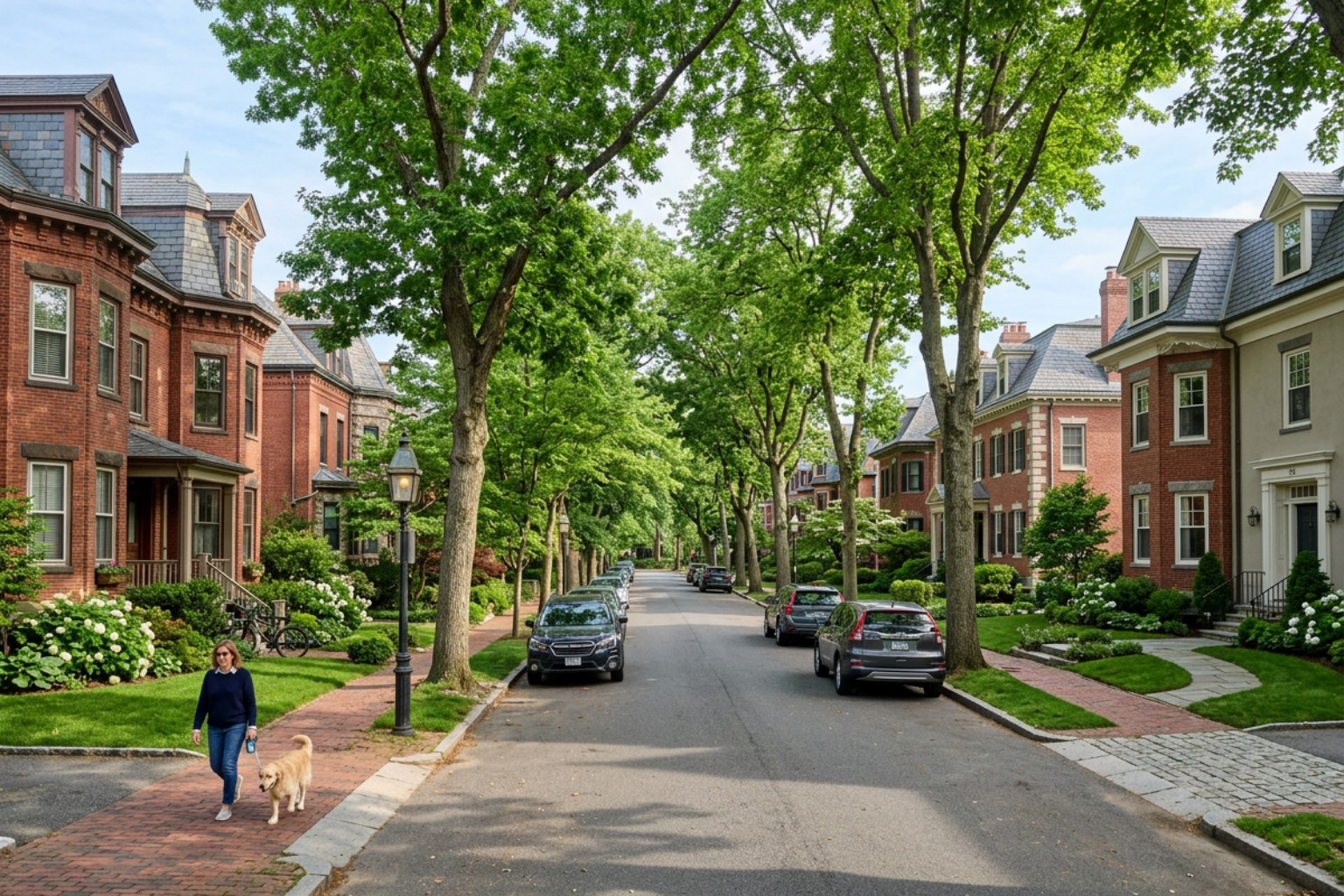
Selecting the right neighborhood is the first step in ensuring a successful academic stay. Boston is a “city of neighborhoods,” and for those seeking short-term faculty housing near Boston University and Northeastern, the options are geographically concentrated but distinct in character. Each area offers a different pace of life, from the bustling urban energy of Kenmore Square to the leafy, tranquil streets of Brookline.
The Fenway and Kenmore
The Fenway is arguably the most convenient location for scholars splitting their time between both institutions. It is home to many modern apartment complexes and is within a 15-minute walk of both the BU Charles River Campus and Northeastern’s main campus. This area has undergone significant redevelopment, offering high-end amenities, supermarkets, and cultural institutions like the Museum of Fine Arts and the Isabella Stewart Gardner Museum. While the area is vibrant, we often advise our members to check whether a specific street is prone to noise during Red Sox home games at Fenway Park, as the influx of fans can disrupt a quiet evening of research.
The South End
For those who appreciate historic Victorian brownstones and a sophisticated culinary scene, the South End is a premier choice. It offers a high concentration of furnished studios and one-bedroom units. Many of these are privately owned, making them ideal for the academic home-sharing models we facilitate. Research indicates that the South End boasts an impressive Walk Score of 94, making it a “Walker’s Paradise” for faculty who prefer to commute on foot. The neighborhood is also home to many art galleries and the “SoWa” design district, providing a rich cultural backdrop for your stay.
Brookline and Brookline Village
Brookline is consistently ranked as one of the best places to live in Massachusetts. It offers a quieter, more residential atmosphere that many senior faculty members favor. The Longwood Medical Area, which sits on the border of Brookline and Boston, is particularly rich in guest houses and short-term residences catering to medical researchers. Brookline Village provides easy access to the Green Line (D and E branches), connecting you to both universities within 20 minutes. The area is also known for its independent bookshops and the historic Coolidge Corner Theatre, which are popular haunts for the local intelligentsia.
Mission Hill and Symphony
Mission Hill is a popular choice for those looking for more affordable shared housing. Prices here can range from USD $1,000 to $1,800 per bedroom in shared units. The Symphony area, located near the intersection of Huntington and Massachusetts Avenues, puts you right at the doorstep of Northeastern and within a short distance of BU’s Medical Campus. This area is ideal for those who wish to be in the heart of the city’s musical and cultural life, with Symphony Hall and the New England Conservatory nearby.
Comparing Types of Short-Term Faculty Housing Near Boston University and Northeastern
We understand that a “one size fits all” approach does not work for the academic community. Depending on the length of your stay and your professional needs, several housing models are available:
- Furnished Apartments: Professional corporate housing providers offer “turn-key” solutions. These are often premium options, with monthly rates for a one-bedroom unit sometimes reaching USD $4,000. They are best for those who need a high level of service and hotel-like amenities, such as on-site fitness centers and concierge services.
- Guest Houses and Boutique Inns: Various guest houses and boutique inns in the Fenway and Brookline areas offer a more personal touch. They often provide private rooms with shared or private baths and are accustomed to hosting visiting scholars and medical professionals. These establishments often provide a sense of community that can be lacking in larger apartment blocks.
- Homestays: For solo scholars, homestays through specialized academic networks offer a unique way to integrate into the local community. Rates are typically lower, often between $250 and $330 per week, and sometimes include meals and utility costs.
- Academic Home Rentals and Exchanges: This is where SabbaticalHomes.com excels. Our members often list their own furnished homes while they are away on research trips. This model allows you to live in a real home, often with a private office and a library, at rates that are often more reasonable than commercial corporate housing.
- House Sitting: Within the SabbaticalHomes community, rentals with house sitting duties are the most prevalent model and have been a cornerstone of the community since 2000. This approach may include light household help such as caring for plants, collecting post, or looking after pets in exchange for a reduced rental rate. It reflects our founding mission by fostering relationships built on trust, mutual benefit, privacy, and respect.
Budgeting for Short-Term Faculty Housing Near Boston University and Northeastern
Boston is one of the most expensive rental markets in the United States. When budgeting, it is important to look beyond the base rent and consider the total cost of living in the city.
| Feature | Estimated Cost/Policy (USD) |
|---|---|
| Average Room in Shared Unit | $1,000 – $1,500/month |
| Private Studio/One-Bedroom | $2,500 – $4,000/month |
| Security Deposit | Often equivalent to one month’s rent |
| Cleaning Fees | $150 – $250 (one-time) |
| Utilities | Often included in short-term furnished stays |
We recommend checking for university-affiliated discounts. For instance, hotels in the Longwood Medical Center area often offer a discount for Northeastern affiliates. Similarly, historic inns in the area may provide discounted rates during the winter months (November to March). It is also worth noting that many academic rentals include high-speed internet and heating, which can be a significant saving during the cold New England winters.
Strategic Commuting: Proximity to BU and Northeastern Campuses
Efficiency is key during a research residency. Fortunately, both BU and Northeastern are well-served by the Massachusetts Bay Transportation Authority (MBTA), commonly known as the “T.” Understanding the nuances of the transport system can save you hours of commuting time each week.
Accessibility via Public Transportation
The Green Line is the primary artery for Boston University, with the B branch running along Commonwealth Avenue, serving the heart of the Charles River Campus. For Northeastern, the Green Line E branch and the Orange Line (Ruggles Station) are the most vital. If your housing is located in the South End or Back Bay, you may find that you are within a 15-to-20-minute walk of both campuses, bypassing the need for public transit altogether. The Orange Line also provides a direct link to North Station, which is useful for those planning weekend trips to other parts of New England.
Many of our members also take advantage of university shuttles. The BU Shuttle (BUS) connects the Charles River and Medical campuses, providing a reliable and free service for faculty and staff. Northeastern provides various safety and connector shuttles for its community, ensuring that those working late in the laboratories can return home safely.
Cycling and Pedestrian Access
Boston has become increasingly bike-friendly in recent years. The Charles River Esplanade offers a beautiful and traffic-free route for those commuting to BU from the Back Bay or Cambridge. Bluebikes, the city’s bike-share program, has numerous stations near both campuses. For faculty who prefer walking, the “Emerald Necklace” — a chain of parks designed by Frederick Law Olmsted — provides a scenic path through the Fenway and into Brookline.
Safety and Community Standards for Academic Renters
As a community of “minds on the move,” we value quiet environments conducive to study and writing. When searching for short-term faculty housing near Boston University and Northeastern, we suggest looking for properties that explicitly mention quiet hours (typically 11:00 PM to 9:00 AM). This is particularly important in areas with a high density of residents.
Safety is also a top priority. Areas like the South End and Brookline are generally considered very safe for walking at night. We recommend checking if a building has a 24-hour courtesy desk or limited-access entry systems. Proximity to local amenities, such as the Snell Library at Northeastern or the Mugar Memorial Library at BU, can also significantly enhance your productivity, allowing you to move between your home office and the university archives with ease.
Essential Amenities for Productive Academic Stays
For a scholar, a home is more than just a place to sleep; it is a workspace. We have found that certain amenities are non-negotiable for our community, especially when balancing a heavy research load with the demands of a new city.
Furnished Units and Utility Inclusions
A turn-key apartment should include everything from high-speed WiFi (ideally 100 MBPS or higher) to basic kitchenware. In Boston, heating costs can be substantial during the winter; therefore, we always suggest confirming that heat and hot water are included in your monthly rate to avoid unexpected expenses. Many historic buildings in the South End and Back Bay use oil or gas heating, and costs can fluctuate significantly. Ensuring these are bundled into your rent provides peace of mind and easier budgeting.
Dedicated Workspaces
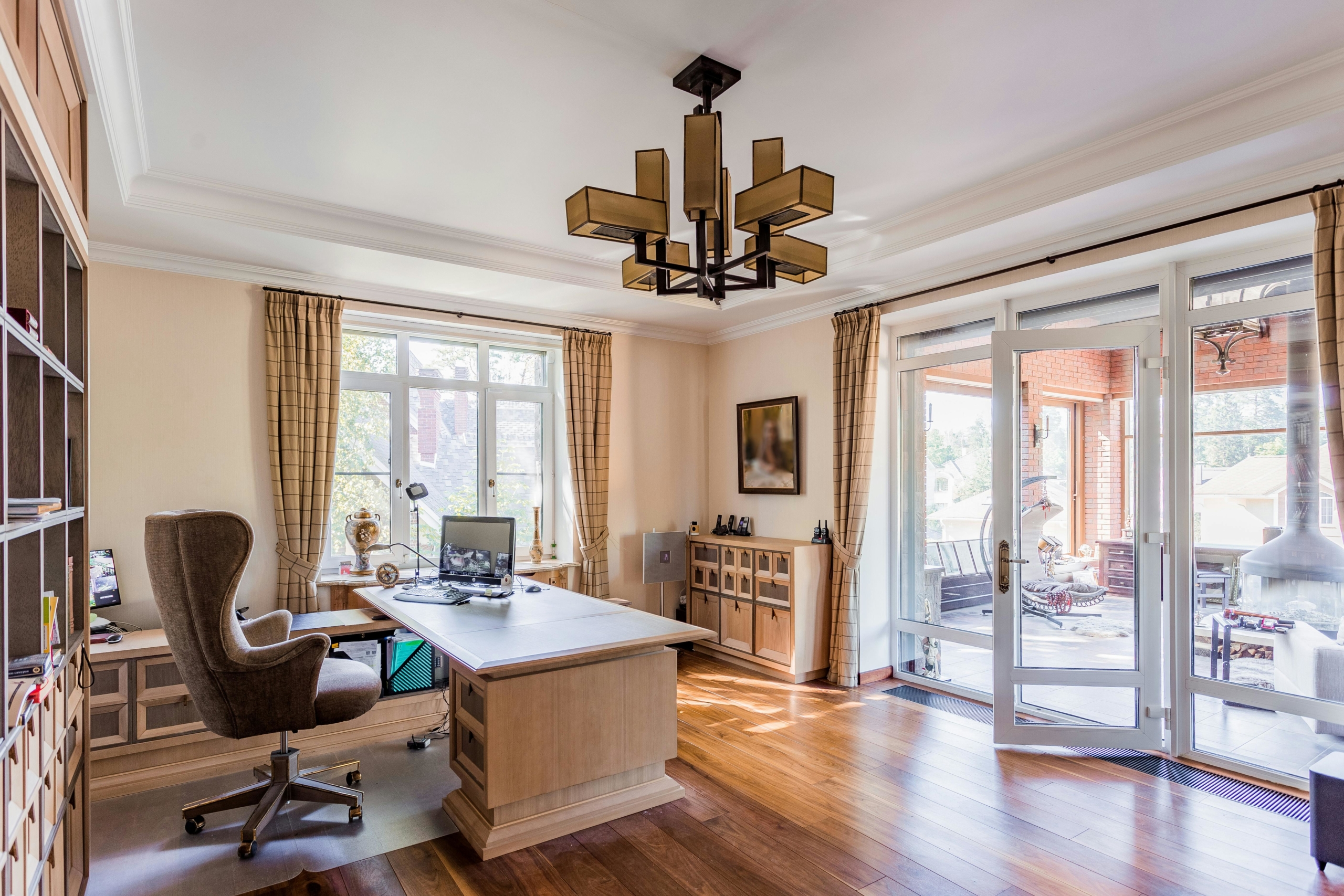
A small bistro table is rarely sufficient for a scholar with a heavy research load. Look for listings that specifically mention a desk or a dedicated office area. Many listings within the SabbaticalHomes community feature large desks, ergonomic chairs, and 40-inch tables designed specifically for working professionals. Natural light is another factor to consider, as many scholars find that a well-lit workspace is essential for maintaining focus during long writing sessions.
Accessible Housing Options for Faculty with Specific Needs
Boston’s historic architecture often means walk-up apartments, some of which may be on the fourth or fifth floor of a brownstone. If you require elevator service or a ground-floor unit, it is vital to filter your search accordingly. Modern residential developments in the Fenway and South End often offer full ADA compliance and are located just steps from major transit stations, making them highly accessible for all faculty members. Additionally, consider the proximity to essential services like pharmacies and grocery stores, which can be found in abundance in the more modern parts of the Fenway.
Securing Your Stay: Application Processes and University Discounts
The process of securing short-term faculty housing near Boston University and Northeastern can vary depending on the provider. Unlike traditional long-term leases, short-term arrangements often require more agility and a higher degree of personal communication.
Negotiating Short-Term Lease Terms
Most commercial short-term providers require a 30-day minimum stay due to local zoning regulations. However, through Boston Rentals, you may find more flexibility, particularly if your stay aligns with the academic semester (September–December or January–May). Within the SabbaticalHomes community, rentals with house sitting duties are the most prevalent model and have been a cornerstone of the community since 2000. This model often allows for more bespoke arrangements that suit both the host and the visiting scholar.
When reviewing a lease, pay close attention to the cancellation policy. Academic schedules can be fluid, and having a lease that allows for some flexibility is a significant advantage. Be prepared to provide references from your home institution and, in some cases, a background check. Providing a link to your faculty profile or a letter of invitation from the host department can often speed up the approval process.
University-Affiliated Rates and Special Offers
Always mention your academic affiliation when contacting local hotels or guest houses. Local boutique lodgings often offer seasonal reductions for visiting faculty. If you are participating in a specific program or research residency at Northeastern, you may be eligible for on-campus options in the university’s residential communities, though these are typically reserved for other short-term institutional uses and may require an 8-week minimum stay. Boston University also maintains a list of preferred vendors for visiting researchers, which can be accessed through their real estate office.
The Importance of Early Planning
Given the competitive nature of the Boston market, we recommend starting your search at least six months in advance. The “September 1st” lease cycle in Boston is legendary, with thousands of residents moving on a single day. For faculty arriving mid-semester, the market is slightly less frantic, but the inventory of high-quality furnished units remains limited. By using SabbaticalHomes, you can connect with other academics who understand the specific timing of the scholarly year.
Frequently Asked Questions about Scholar Stays in Boston
What is the average cost of short-term faculty housing near Boston University and Northeastern?
The cost varies significantly by type and neighborhood. A shared room in a neighborhood like Mission Hill might cost approximately USD $1,200 per month, while a private, fully furnished one-bedroom apartment in the South End or Fenway typically ranges from USD $2,800 to $4,000 per month. Prices in Brookline tend to be slightly higher due to the residential nature of the area.
Are there pet-friendly short-term options for visiting professors?
Yes, but they are more limited. Many privately owned homes listed on SabbaticalHomes.com are pet-friendly, as the owners are often pet lovers themselves. Modern apartment complexes in the Fenway also allow pets, though they may charge an additional monthly fee or a non-refundable pet deposit. Always clarify the pet policy before signing any agreement.
How far in advance should I book my academic stay in Boston?
For the best selection, we recommend starting your search at least four to six months in advance, especially if you are looking for a stay that coincides with the start of the autumn semester in September. Summer housing (June–August) is also highly competitive due to the influx of researchers and visiting scholars.
Is it necessary to have a car in Boston?
For most faculty staying near BU or Northeastern, a car is not necessary and can often be a liability due to the high cost and scarcity of parking. Boston is a very walkable city with an extensive public transport network. If you do bring a car, ensure your housing includes a dedicated parking space, as street parking permits can be difficult to obtain for short-term residents.
What should I include in my housing application?
When applying for housing through academic networks, include a brief bio, your research interests, and your institutional affiliation. Providing references from previous landlords or colleagues can also help build trust with potential hosts.
Conclusion
Finding the right short-term faculty housing near Boston University and Northeastern is a vital component of a successful academic visit to one of the world’s premier intellectual hubs. By focusing on neighborhoods with strong transit links and seeking out accommodation tailored to the scholarly lifestyle, you can ensure your stay is both comfortable and productive. Whether you are conducting archival research, collaborating on a scientific project, or teaching a seminar, your home environment plays a crucial role in your professional success.
Since 2000, SabbaticalHomes has been a trusted resource for academics and scholars seeking affordable, short-term furnished housing options, leveraging firsthand expertise to address the unique challenges of finding reliable accommodation. Whether you are looking for a home exchange, a traditional rental, or a house-sitting arrangement, our platform is designed to support our community of minds on the move. We value community, privacy, respect, diversity, and trust, and we invite you to join our global network. Find your home away from home in Boston!
Let us know what you think! Connect with us on X, LinkedIn, Facebook, Instagram, YouTube and Pinterest.