

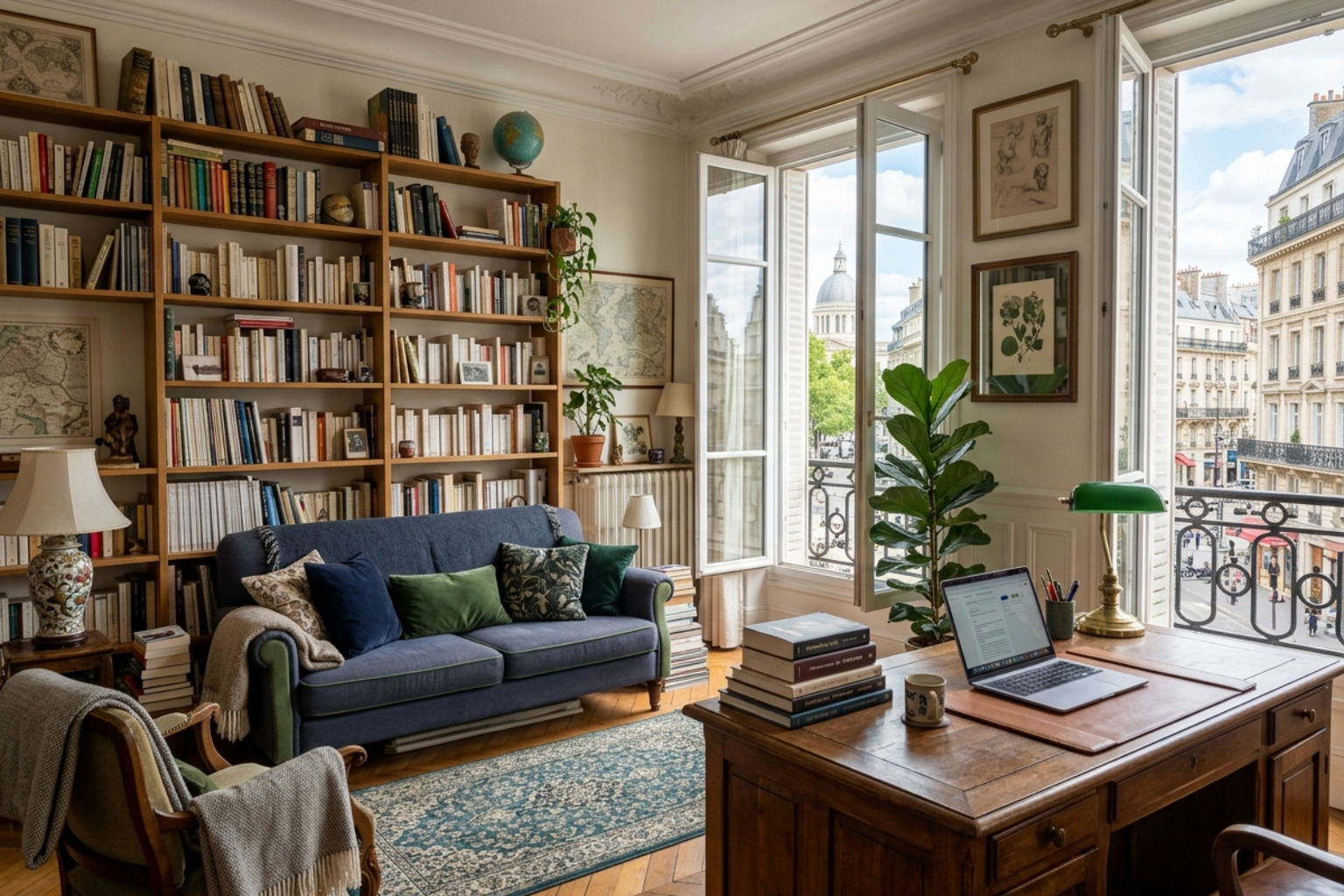
Why is Finding Mid-term Furnished Rentals for Visiting Lecturers in Paris Harder Than It Looks?
This comprehensive guide explores the nuances of securing mid-term furnished rentals for visiting lecturers in Paris, focusing on the unique requirements of the academic community. It covers essential lease types like the Bail Mobilité, navigates the complexities of the Parisian administrative dossier, and highlights strategic neighborhoods from the historic Latin Quarter to the emerging hub of Villejuif. By leveraging the peer-to-peer network of SabbaticalHomes.com, scholars can find tailored housing solutions that foster intellectual productivity and cultural immersion during their research missions or teaching assignments in the City of Light.
Since 2000, SabbaticalHomes has been a trusted resource for academics and scholars seeking affordable, short-term furnished housing options, leveraging expertise to address the unique challenges of finding reliable accommodation. Finding the right home in a competitive market like Paris requires a strategic approach and an understanding of local lease laws. This guide provides essential insights for visiting lecturers to secure comfortable, academic-friendly housing for their next research mission.
Paris is not merely a city; it is a sprawling intellectual ecosystem. For the visiting lecturer, the challenge of finding a home is compounded by the city’s unique rental culture. Unlike the relatively fluid markets of London or Berlin, Paris operates on a system of deep-seated tenant protections and rigorous documentation. This means that even for a short stay of six months, a lecturer might find themselves competing with hundreds of local applicants. However, the academic community has long found ways to bypass these traditional hurdles.
Mid-term furnished rentals for visiting lecturers in Paris are typically fully equipped apartments or houses rented for one to twelve months, designed for academics on research missions, fellowships, or teaching assignments. Here is a quick overview of your best options:
| Option | Best For | Typical Duration | Average Monthly Cost (EUR) |
|---|---|---|---|
| SabbaticalHomes.com listings | Academics seeking peer-to-peer rentals | 1-12 months | €1,200-€2,800 |
| University-managed residences | Researchers and scholars | 1-12 months | €800-€2,100 |
| Suburban rentals (e.g., Villejuif) | Budget-conscious academics | 1-36 months | €1,000-€1,500 |
| Coliving spaces | Professionals seeking community | 1-6 months | €1,200-€2,500 |
| Cité Internationale Universitaire | Researchers with institutional links | Up to 1 month | Varies |
Paris draws thousands of visiting academics every year to the Sorbonne, Sciences Po, HEC Paris, and dozens of other leading institutions. But finding the right place to live while you are there is a different challenge entirely. The Parisian rental market is notoriously competitive. Demand consistently outstrips supply. Landlords are selective. The paperwork is demanding. And the rules around short- and mid-term leases are more complex than in most other cities.
For visiting lecturers specifically, the challenge is even sharper. You need a fully furnished space you can move into immediately, a flexible lease that aligns with academic calendars, and a location with easy access to your institution. Furthermore, you require a landlord who understands the nature of temporary academic appointments and a process that does not require months of French bureaucracy before you can sign anything.
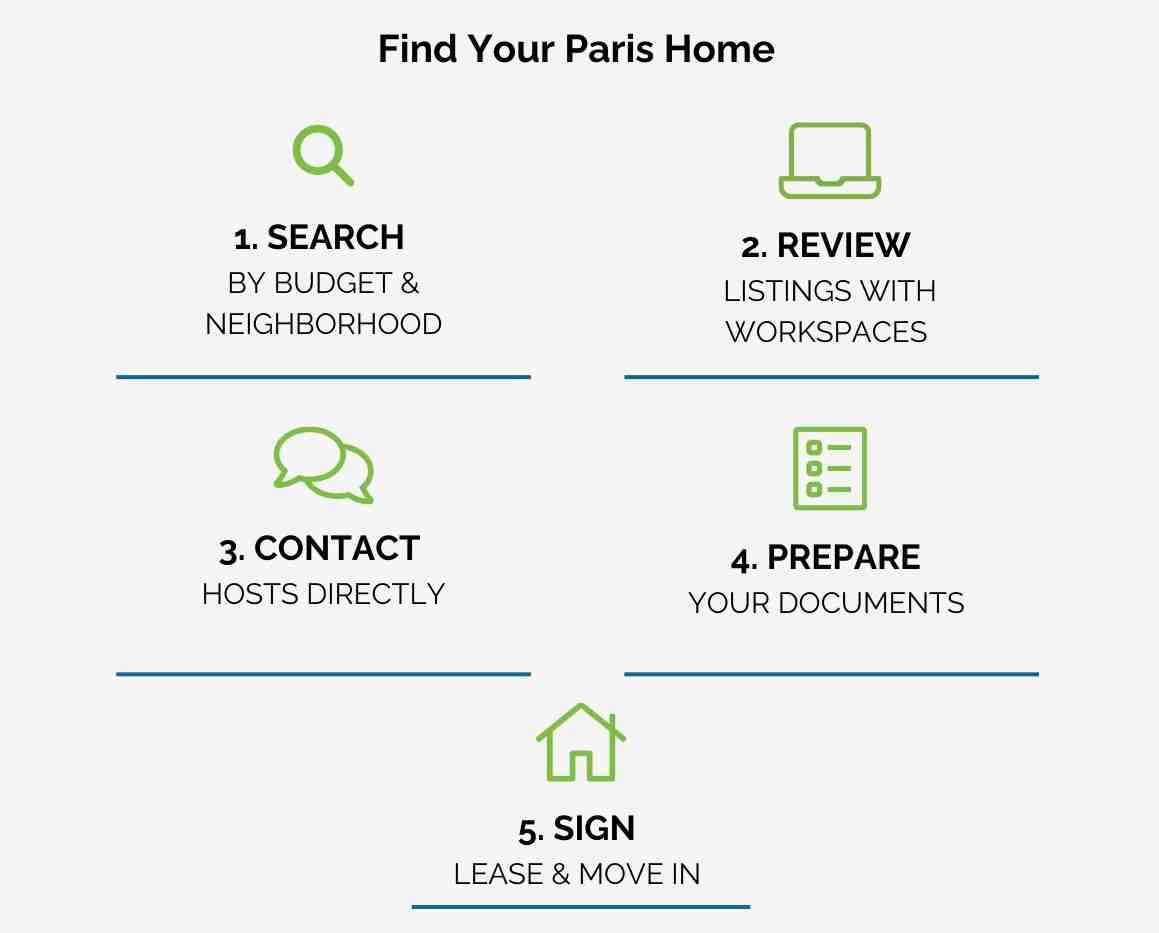
Navigating Mid-term Furnished Rentals for Visiting Lecturers in Paris: Lease Types and Legalities
When searching for mid-term furnished rentals for visiting lecturers in Paris, the first hurdle is understanding the French legal framework. Unlike the United States or the United Kingdom, French rental law is heavily skewed toward tenant protection, which ironically makes landlords very cautious. For a stay lasting between one month and a full academic year, you will likely encounter two specific types of contracts.
The Bail Mobilité (Mobility Lease)
The Bail Mobilité was introduced to simplify life for people on temporary professional assignments. It is a non-renewable lease lasting between one and ten months. To qualify, you must provide proof that you are in Paris for a specific reason, such as a teaching assignment, a research fellowship, or a professional relocation.
The primary advantage of this lease is that, by law, the landlord cannot ask for a security deposit (though they may require a guarantor). It is a streamlined option for those on a strict 10-month mission. However, because it cannot be renewed, it lacks the flexibility some scholars need if their research project is extended. It is essential to ensure your documentation is in order before proposing this lease type to a landlord, as they must be certain of your eligibility under the Loi Élan.
The Code Civil Lease
For many in our community, the Code Civil Lease is the preferred choice. This is a more flexible agreement governed by the French Civil Code rather than the standard residential rental laws (Loi Alur). It is typically used for secondary residences or corporate housing.
If you are maintaining a primary home in your home country while teaching in Paris, this lease allows you and the landlord to negotiate terms more freely. It is ideal for visiting lecturers who need a “home away from home” without the rigid constraints of standard French residential contracts. This lease type is particularly popular among senior faculty who require a higher standard of accommodation and more bespoke terms.
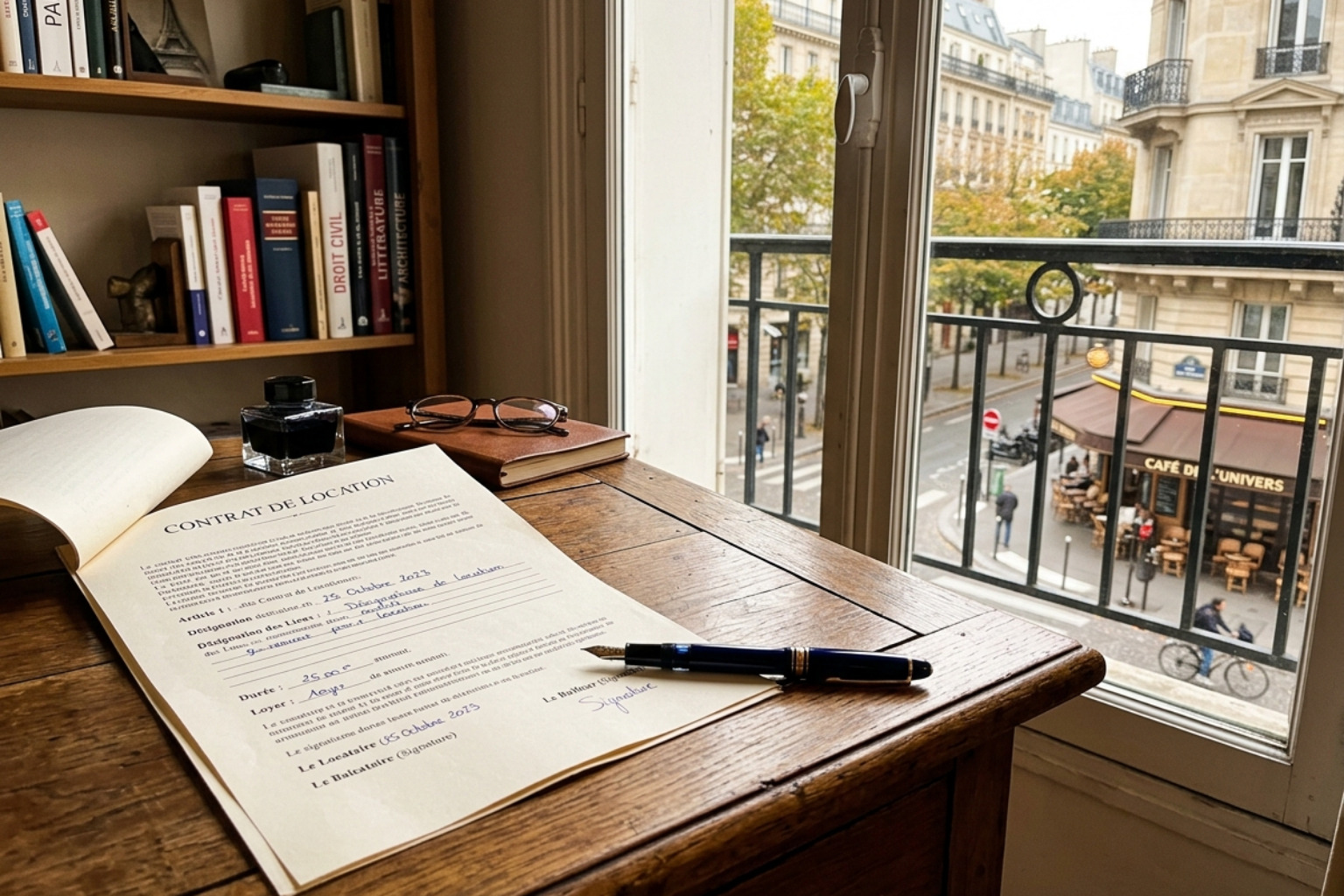
Why Mid-term Furnished Rentals for Visiting Lecturers in Paris are the Preferred Choice
Choosing a furnished rental isn’t just about convenience; it’s about financial and logistical sanity. Setting up a flat from scratch in Paris—buying furniture, navigating utility installations, and sourcing appliances—can take weeks and involve significant upfront costs.
In a furnished academic rental, you arrive to find a fully equipped kitchen, linens, and, most importantly, a functional workspace. Many of our members offer homes that are already set up for intellectual life, featuring extensive libraries and quiet study areas. For those looking at specific areas, you can explore Paris rentals to see the variety of furnished options available for the upcoming semester. These properties are often curated by fellow academics who understand the need for high-speed internet and ergonomic seating.
Understanding Staff Housing and Professional Assignments
Some institutions provide “staff housing,” but these spots are rare and often have long waiting lists. If your host university doesn’t have a dedicated flat for you, a mid-term private rental is your best bet. These rentals provide a high standard of living tailored to the needs of senior faculty and researchers, offering a professional environment conducive to academic work. It is worth noting that private rentals often offer more privacy and a more authentic Parisian experience than institutional dormitories.
Strategic Academic Neighbourhoods: From the Latin Quarter to Villejuif
Location is everything in Paris. The city is divided into 20 arrondissements (districts), each with its own character. For academics, the choice usually boils down to proximity to the university or proximity to a quiet, inspiring environment. The “Rive Gauche” (Left Bank) has historically been the centre of intellectual life, but modern research hubs are increasingly found in the outer districts and southern suburbs.
The Historic Heart: The Latin Quarter and Saint-Germain
The 5th and 6th Arrondissements are the traditional heart of academic Paris. Walking through these streets, you are following in the footsteps of centuries of scholars.
- The Latin Quarter (5th): Home to the Sorbonne and the Panthéon. It is lively, historic, and densely packed with bookshops and cinemas. It is the quintessential academic neighbourhood, though apartments here tend to be smaller and more expensive.
- Saint-Germain-des-Prés (6th): Famous for its literary cafés like Les Deux Magots. It is one of the most expensive areas in the city but offers unparalleled access to cultural life and prestigious research libraries.
If your work is based near the Université de Paris or the Centre Ulm, staying in these central districts allows for a walkable commute, though you will pay a premium for the privilege. The atmosphere here is one of constant intellectual ferment, with academic seminars and public lectures occurring daily.
Proximity to Major Research Hubs and Universities
Many modern research facilities are located slightly further out. For instance, if you are visiting the Fac Jussieu or attending seminars at Paris Panthéon-Assas, you might look at the 13th or 14th Arrondissements. These areas are slightly more residential and often offer more spacious apartments for the same budget.
Scholars affiliated with Université Paris Sciences et Lettres often find that the 5th and 14th Arrondissements provide the best balance of academic atmosphere and daily convenience. The 14th, in particular, is home to the Cité Internationale Universitaire de Paris, a sprawling park-like campus that hosts researchers from around the globe.
Affordable Alternatives in the Southern Suburbs
As Paris expands, many academics are looking just beyond the Périphérique (the ring road) for better value.
- Villejuif: This southern suburb has become a major academic hub, particularly for medical and scientific research. With property prices averaging between EUR €4,500 and €5,500 per square meter, Villejuif rentals are significantly more affordable than central Paris. It is well-connected by Metro Line 7 and the upcoming Grand Paris Express, making it an excellent choice for those who prefer a quieter residential setting.
- Le Kremlin-Bicêtre: Bordering the 13th Arrondissement, this area is home to major teaching hospitals and is a favorite for medical researchers and lecturers at IAE Paris. It offers a more local, community-focused feel while remaining just minutes from the city center.
The Administrative Dossier: Guarantors and Requirements
In France, the “dossier” is king. This is a collection of documents that proves you are a reliable tenant. For international lecturers, this can be the most frustrating part of the process, as landlords typically expect French documents and a level of financial transparency that can feel intrusive. However, being prepared with a digital and physical dossier can set you apart from other applicants.
What Goes Into a Dossier?
- Proof of Identity: A valid passport and your visa or residency permit (titre de séjour).
- Proof of Professional Status: Your official invitation letter from the host university or your employment contract. This should clearly state the duration of your stay.
- Proof of Income: Typically, landlords want to see that your monthly income is at least three times the rent. You can provide payslips from your home institution.
- Tax Notices: Your most recent tax returns from your home country to demonstrate financial stability.
To protect your privacy, we recommend using services like Dossier Facile, a government-backed platform that allows you to watermark your documents before sending them to potential landlords. This is particularly useful when applying for housing near institutions like the Faculté de Droit.
Securing a French Guarantor as an International Scholar
Most French landlords require a garant—someone living and paying taxes in France who will cover the rent if you cannot. As an international visitor, you likely won’t have one.
- Visale: A free government-run guarantee scheme for workers under 30 or those on mobility leases. It is highly regarded by landlords.
- Garantme: A private service that acts as your guarantor for a fee (usually a percentage of the annual rent). This is a popular choice for international faculty.
- Bank Guarantees: Some landlords may accept a “caution bancaire,” where you deposit several months of rent into a frozen French bank account. This is a more capital-intensive option but can be very persuasive.
These hurdles are exactly why SabbaticalHomes.com is so valuable. Because our platform is peer-to-peer within the academic community, our hosts often understand the financial profiles of visiting professors. They are frequently more flexible than traditional rental agencies, especially for colleagues from institutions like UCLouvain.
Mandatory Insurance and the État des Lieux
Once you find a place, two final steps are mandatory:
- Housing Insurance: You must have assurance habitation before you get the keys. This is inexpensive and can often be set up online in minutes. It covers fire, water damage, and civil liability.
- État des Lieux: This is the inventory meeting. You and the landlord (or an agent) will walk through the flat and note every scratch on the floor and every chip in the paint. Do not rush this. It is your primary protection when it comes time to get your security deposit back. Ensure that all appliances are tested and any existing damage is photographed and documented.
Essential Amenities and Community for Minds on the Move
A visiting lecturer’s needs are different from a tourist’s. A beautiful view of the Eiffel Tower is lovely, but it doesn’t help you finish a journal article or prepare for a keynote speech. The focus must be on productivity, comfort, and a seamless transition into Parisian life.
The Academic Workspace
When browsing mid-term furnished rentals for visiting lecturers in Paris, look for listings that explicitly mention a desk or office. In a city where space is at a premium, having a dedicated area for your books and laptop is a luxury. High-speed internet is also a non-negotiable requirement for research and virtual seminars. Many SabbaticalHomes hosts are academics themselves, meaning their homes often come equipped with ergonomic chairs, task lighting, and even extensive reference libraries that can be a boon to your research.
House Sitting and Cultural Immersion
At SabbaticalHomes, we believe housing is about more than just four walls; it’s about community and mutual respect. Within our network, rentals with house sitting duties are the most prevalent model and a cornerstone of the community since 2000. This model fosters a deep sense of trust and allows for a more affordable stay in high-demand areas. This might mean looking after a colleague’s cat or watering their plants while they are away on their own sabbatical.
This arrangement provides a unique cultural immersion experience. Instead of staying in a sterile “aparthotel,” you are living in a real home, often in quiet residential areas like Beaugency or Auray, which are perfect for weekend writing retreats. For those open to it, an exchange can also be a wonderful way to experience rural France during university breaks, providing a much-needed respite from the intensity of Parisian academic life.
Budgeting for Mid-term Furnished Rentals for Visiting Lecturers in Paris
Budgeting for Paris requires a clear-eyed look at hidden costs. While the “headline” rent is the biggest expense, don’t forget to factor in utilities, which are not always included in mid-term leases. You should also account for the taxe d’habitation, though this is being phased out for many primary residences, it may still apply to secondary residences under certain lease types.
| Expense Category | Central Paris (5th/6th) (EUR) | Southern Suburbs (Villejuif) (EUR) |
|---|---|---|
| Monthly Rent (1-BR) | €1,800 – €2,800 | €900 – €1,400 |
| Utilities (Elec/Gas/Water) | €150 – €250 | €120 – €200 |
| High-Speed Internet | €30 – €50 | €30 – €50 |
| Housing Insurance | €20 – €40 | €15 – €30 |
| Total Estimated Monthly | €2,000 – €3,140 | €1,065 – €1,680 |
Note: Prices are estimates for April 2026. Some sabbatical rentals include utilities in the rent, so always check the listing details. If you find that central Paris is beyond your budget, consider looking at other regional options if your research allows for a more remote setting.
Frequently Asked Questions about Parisian Academic Rentals
What is the typical duration for a mid-term lease in Paris?
For visiting lecturers, leases typically range from one semester (roughly 4-5 months) to a full academic year (9-12 months). The Bail Mobilité is capped at 10 months and cannot be renewed, while the Code Civil lease can be tailored to any duration agreed upon by the host and tenant. It is important to align your lease dates with your university contract to avoid any gaps in housing.
Do I need a French bank account to rent a furnished apartment?
While not strictly required by law to sign a lease, having a French bank account makes life significantly easier. Most utility companies and internet providers require a French RIB (bank identity statement) for direct debits. However, for the rent itself, many SabbaticalHomes.com hosts are happy to accept international transfers or services like Wise. Opening a bank account in France can be a bureaucratic process, so it is wise to start this as soon as you arrive.
Are utilities usually included in mid-term academic rentals?
It depends on the contract. In a Bail Mobilité, utilities are often included as a flat fee (forfait de charges). In a Code Civil lease or a standard furnished lease, the tenant often pays for electricity and gas based on consumption. Always clarify this before signing, as heating old Parisian buildings in the winter can be surprisingly expensive. You should also ask about building service charges (charges de copropriété), which are usually paid by the landlord but sometimes passed on to the tenant.
Can I bring my family or pets to a mid-term rental?
Many academic rentals are suitable for families, particularly those in the more residential 14th or 15th Arrondissements. However, you must disclose the number of occupants to the landlord. Regarding pets, while French law generally protects a tenant’s right to have a pet in a primary residence, this can be more complex in mid-term or secondary residence leases. Always discuss this with your SabbaticalHomes host beforehand, especially in house sitting arrangements where there may already be resident animals.
Conclusion
Finding mid-term furnished rentals for visiting lecturers in Paris does not have to be an exercise in frustration. By understanding the legal landscape, preparing your administrative dossier in advance, and looking beyond the most famous tourist neighborhoods, you can find a home that supports your academic mission. The key is to start your search early and engage with the community in a spirit of mutual respect and academic collegiality.
At SabbaticalHomes.com, we are proud to be “A Place for Minds on the Move.” Our mission has always been to ease the housing challenges of the higher education workforce, allowing you to focus on your research and passions. Whether you are looking for a sleek apartment in the 14th or a quiet house in the suburbs, our community is built on the values of privacy, respect, and trust. We invite you to explore the possibilities and make your next academic mission in Paris a resounding success.
Ready to start your Parisian adventure? Find your next Parisian home rental or exchange and join a global network of scholars who value intellectual life as much as you do.
Let us know what you think! Connect with us on X, LinkedIn, Facebook, Instagram, YouTube and Pinterest.