

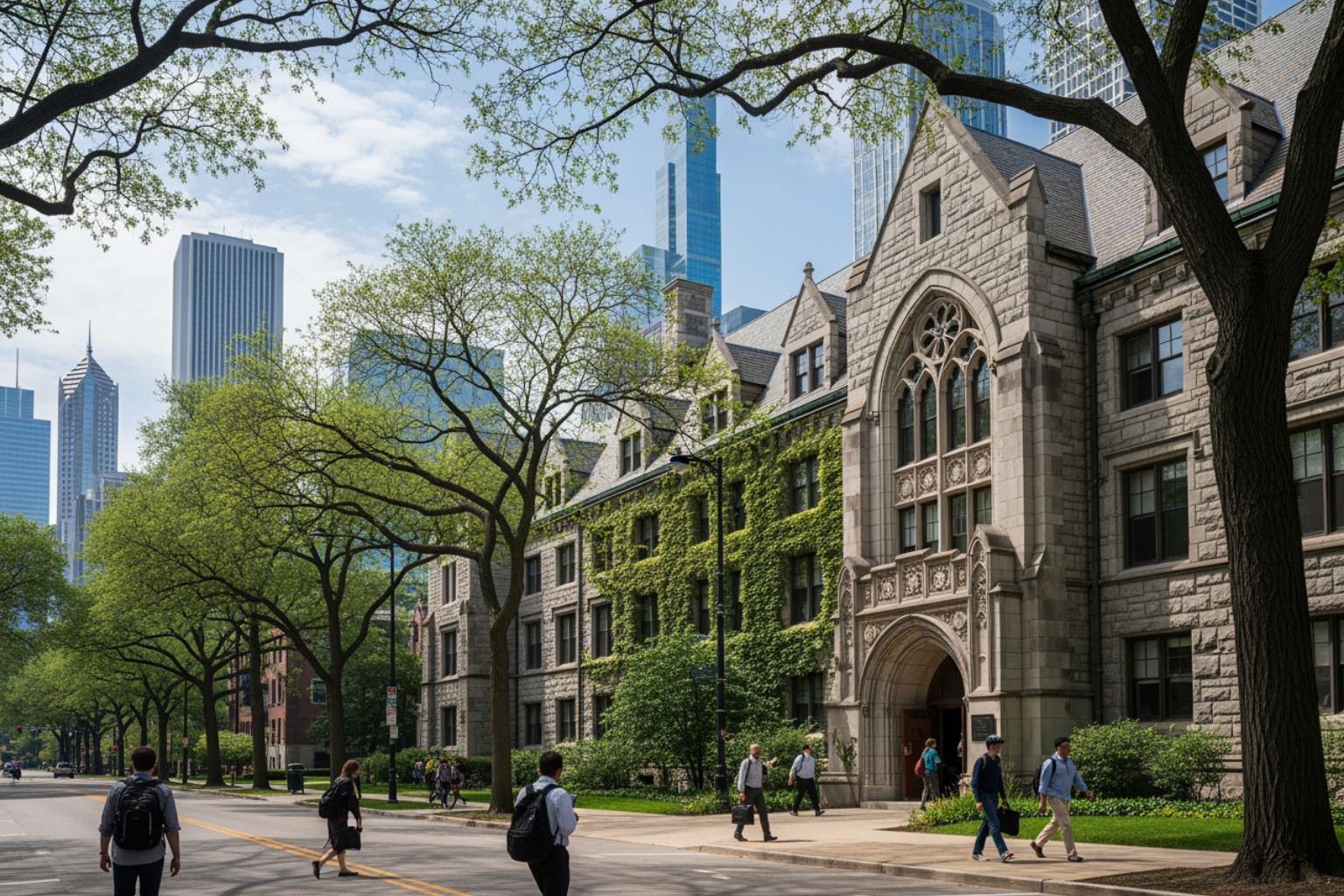
How Can Academics Find the Right University Housing in Chicago?
Chicago is a top destination for academics, researchers, and graduate students, with world-class institutions like the University of Chicago and Northwestern University. This guide explores housing options across the city’s best neighborhoods and offers advice on finding furnished, short-term rentals. Discover the resources you need to secure comfortable, affordable housing that supports your academic work, from a semester-long research stay to a multi-year sabbatical.
University of Chicago housing options extend well beyond traditional dormitories, offering academics a wide range of private rentals, furnished apartments, and flexible lease terms across the city’s most scholarly neighborhoods.
Top Housing Options for Academics:
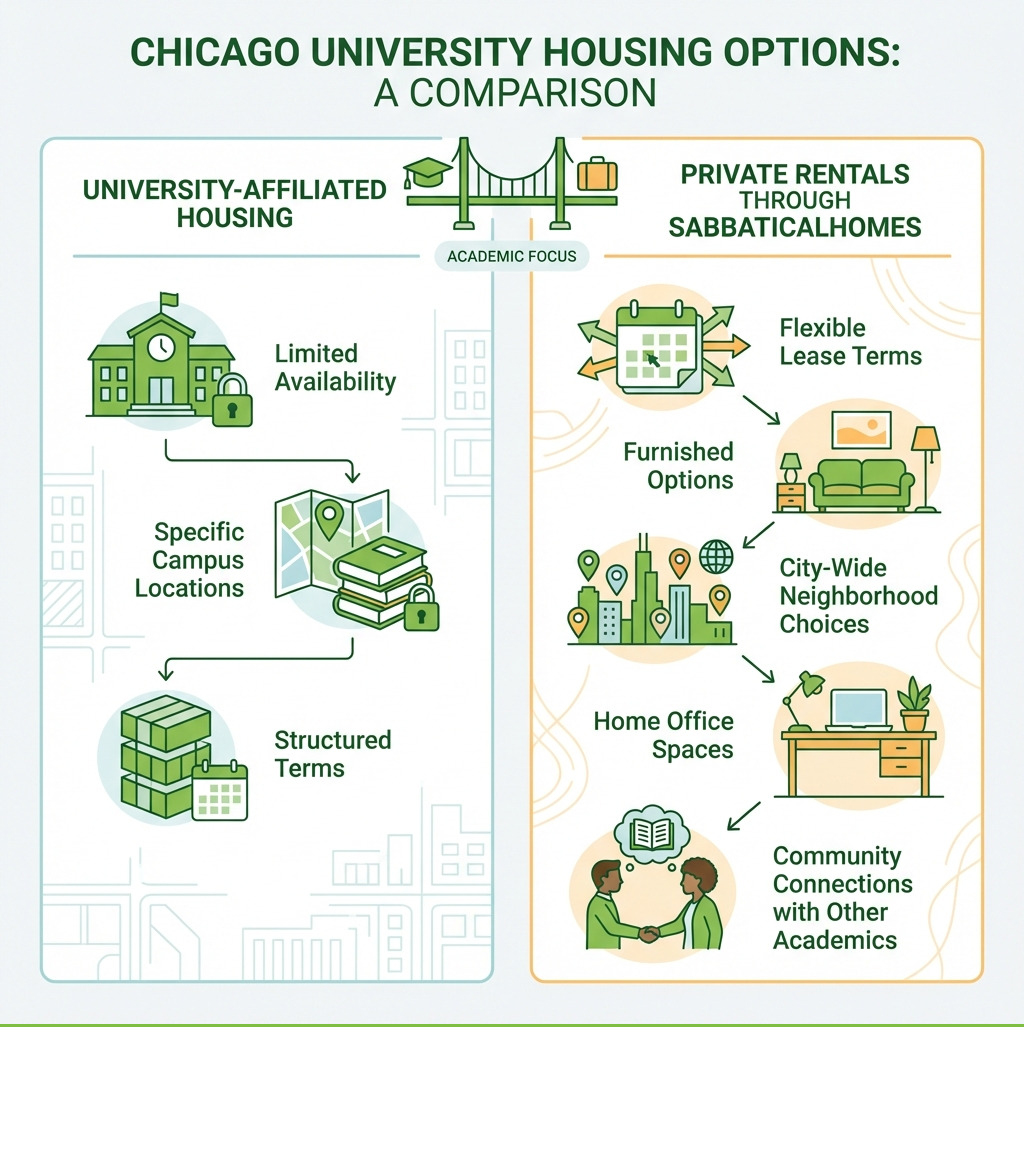
- University-Affiliated Housing – Limited availability for graduate students and visiting scholars; early application required
- Private Off-Campus Rentals – Flexible terms, furnished options, choice of neighborhood, ideal for sabbaticals and research stays
- Academic Housing Platforms – SabbaticalHomes.com connects scholars with vetted, furnished homes designed for academic stays
- Popular Neighborhoods – Hyde Park (near University of Chicago), South Loop (downtown access), Lincoln Park (near Northwestern’s Chicago campus)
- Average Costs – Studio apartments from USD $1,200/month, 1-bedroom from USD $1,600/month, 2-bedroom from USD $2,500/month
Key Considerations:
- Start your search 3-6 months before your arrival
- Prioritize neighborhoods with strong public transit connections
- Look for furnished rentals with dedicated office space
- Review lease terms carefully, especially for short-term stays
- Use academic-focused platforms for verified listings and community connections
Chicago’s academic housing landscape serves professors, postdocs, researchers, and graduate students from institutions across the city. While some university housing is designated for undergraduates, graduate students and visiting faculty typically secure private accommodations in surrounding neighborhoods. Northwestern University’s Chicago campus similarly relies on the private rental market for its graduate and professional school community. This creates a robust ecosystem of academic-friendly housing options, from short-term furnished apartments to longer sabbatical stays.
The challenge many academics face is finding housing that balances professional needs—reliable internet, quiet workspace, proximity to campus—with the comfort and flexibility required for extended research stays. Unlike standard rental platforms focused on tourists or young professionals, academic housing requires a different approach.
Since 2000, SabbaticalHomes has been a trusted resource for academics and scholars seeking affordable, short-term furnished housing options, leveraging firsthand expertise to address the unique challenges of finding reliable accommodation. Our platform was built specifically to address the unique challenges academics face when seeking temporary housing, from sabbaticals to fellowship appointments.
Understanding Academic Housing Options in Chicago
When planning an academic stay in Chicago, understanding the breadth of housing options is crucial. For professors, researchers, doctoral candidates, and post-docs, the choices extend beyond the traditional university dormitory experience, offering more independence and flexibility to align with academic pursuits and personal preferences.
University-Affiliated Housing: What to Know
For our academic community—graduate students, post-doctoral fellows, and visiting faculty—direct university-provided housing is often limited or not available at institutions like the University of Chicago. The University of Chicago, for example, does not offer on-campus housing for graduate students or married/family housing through its main Housing & Residence Life department. The university’s on-campus housing system is primarily designed for its undergraduate population, meaning graduate students and visiting scholars must look to the private market.
While some universities might have specific programs for visiting scholars or post-doctoral fellows, these are typically scarce and highly competitive. It’s important to clarify directly with the specific university department or program you’ll be affiliated with, as early as possible, regarding any potential limited university-affiliated options. For international scholars, understanding these limitations is particularly important for visa and relocation planning. In most cases, our academic community will find themselves exploring the broader private rental market.
The Benefits of Private, Off-Campus Rentals
Given the limited university-affiliated options for graduate students and faculty, the private rental market becomes the primary and often preferred choice for University of Chicago housing. This approach offers significant advantages custom to the academic lifestyle:
- Flexibility: Private rentals provide greater flexibility in lease terms, allowing for short-term stays that align with a semester, academic year, or specific research project duration. This is particularly beneficial for sabbaticals, fellowships, or temporary appointments.
- Privacy and Space: Unlike shared dormitories, private rentals offer dedicated living spaces, often with multiple rooms, providing the quiet and solitude essential for deep academic work.
- Home Office Potential: Many private homes and apartments offer spare rooms or dedicated areas that can be easily converted into a functional home office, a critical amenity for scholars and researchers.
- Choice of Neighborhood: The private market allows you to select a neighborhood that best suits your lifestyle, commute preferences, and access to specific resources, rather than being confined to campus boundaries.
- Community Immersion: Living off-campus provides an opportunity to immerse yourself in Chicago’s vibrant local communities, experiencing the city beyond the university gates.
- Pet-Friendly Options: For those traveling with beloved companions, the private market offers a much wider array of pet-friendly accommodations.
- Living Like a Local: Furnished private rentals enable you to settle in quickly and experience daily life as a Chicagoan, fostering a deeper connection with your temporary home.
- Access to Furnished, Short-Term Rentals through SabbaticalHomes.com: This is where SabbaticalHomes shines. We specialize in connecting our academic community with furnished homes and apartments that cater specifically to their needs, making it easier to find a comfortable and convenient living arrangement without the hassle of furnishing a temporary space.
Top Chicago Neighborhoods for Academics and Researchers
Selecting the right neighborhood for your University of Chicago housing is about balancing commute, lifestyle, and academic community. Chicago offers a range of districts, each with its own character and advantages for scholars.

Hyde Park: The Academic Heart of Chicago
For those affiliated with the University of Chicago, Hyde Park is undoubtedly the academic heart of Chicago. Located approximately 20 minutes south of downtown, this historic residential neighborhood is a cultural oasis, characterized by tree-lined streets, historic architecture, and beautiful parks. Many University of Chicago faculty and families reside here, creating a strong academic community.
Hyde Park offers:
- Proximity to the University of Chicago: Many parts of Hyde Park are within walking or biking distance, or a short shuttle ride via the free UGo system.
- High Concentration of Faculty and Researchers: This fosters a scholarly atmosphere and provides opportunities for informal academic interactions.
- Cultural Institutions: Home to the Smart Museum of Art, the Oriental Institute, and various bookstores and cafes, the neighborhood supports intellectual and cultural engagement.
- Quiet, Tree-Lined Streets: Ideal for focused work and peaceful living, offering a welcome respite from a busy academic schedule.
- Green Spaces: The Midway Plaisance seamlessly connects Washington Park and Jackson Park, providing ample green space for relaxation and recreation.
Living in Hyde Park means being part of a vibrant, intellectual community where knowledge is celebrated.
The Loop & South Loop: Urban Access and Academic Connections
For academics seeking a more urban experience with excellent connectivity, The Loop and South Loop neighborhoods offer compelling University of Chicago housing options. The Loop is Chicago’s busy downtown, a hub for business, transportation, government, shopping, and culture. The South Loop, just south of the main downtown area, is popular with students and faculty from various institutions due to its vibrant environment and excellent transit links.
Key advantages include:
- Downtown Living: Experience the energy of a major city, with world-class dining, entertainment, and cultural attractions at your doorstep.
- Excellent Public Transit: Access to CTA ‘L’ trains and buses makes commuting to various campuses, including Northwestern’s Chicago campus, incredibly convenient.
- Proximity to Multiple Campuses and Research Centers: Ideal for those with affiliations across different institutions or research facilities downtown.
- Museums and Cultural Venues: The South Loop is close to institutions like the Field Museum, Shedd Aquarium, and Art Institute of Chicago, offering rich cultural experiences.
- Vibrant City Life: A dynamic environment with diverse populations and constant activity, appealing to those who thrive in an urban setting.
North Side Hubs: Lincoln Park & Near North Side
The North Side offers distinct advantages, particularly for those affiliated with Northwestern University’s Chicago campus or DePaul University. Neighborhoods like Lincoln Park and the Near North Side (including areas like Streeterville, River North, and Gold Coast) combine residential charm with urban amenities.
Consider these areas for:
- Access to Northwestern’s Chicago Campus and DePaul University: These neighborhoods offer convenient commutes to these institutions.
- Green Spaces and Lakefront Trails: Lincoln Park, in particular, boasts expansive green spaces, including a free zoo, and easy access to Lake Michigan’s beautiful shoreline for recreation.
- Family-Friendly Areas: Many parts of Lincoln Park are well-suited for academics relocating with families, offering good schools and community amenities.
- Lively Atmosphere: These neighborhoods are known for their vibrant social scenes, with numerous restaurants, cafes, boutiques, and cultural venues.
The Financials and Logistics of University of Chicago Housing
Navigating the financial and logistical aspects of University of Chicago housing is crucial for a smooth academic transition. From understanding rental costs to mastering the city’s transportation network, proper planning can significantly improve your experience.
Average Rental Costs for Academic Housing
The cost of living in Chicago, particularly for housing, varies significantly by neighborhood, unit size, and amenities. For graduate students, post-docs, and faculty, off-campus private rentals are the norm. We’ve compiled some average rental costs based on recent market data, keeping in mind that these are estimates and prices can fluctuate:
| Neighborhood | Studio Apartment (Monthly) (USD) | 1-Bedroom Apartment (Monthly) (USD) | 2-Bedroom Apartment (Monthly) (USD) |
|---|---|---|---|
| Hyde Park | ~$1,900 | ~$2,300 | ~$3,500 |
| South Loop | ~$1,800 – $2,500 | ~$2,200 – $3,000 | ~$3,000 – $4,500 |
| Lincoln Park | ~$1,800 – $2,600 | ~$2,200 – $3,200 | ~$3,200 – $5,000 |
Note: These figures are approximate and can vary based on specific property features and exact location within the neighborhood. Utilities (electricity, gas, internet) are typically extra and can add USD $150-$300+ per month depending on usage and inclusions.
When budgeting, remember to factor in:
- Typical Monthly Rent: As shown in the table above.
- Utility Expenses: These often include electricity, gas, internet, and sometimes water/sewer. In some furnished rentals, especially those found through SabbaticalHomes.com, utilities may be included or capped.
- Renter’s Insurance: A wise investment to protect your belongings and provide liability coverage.
- Transportation Costs: Though Chicago has excellent public transit, a monthly pass will be an ongoing expense.
- Other Living Expenses: Food, books, personal expenses, and leisure activities.
Navigating Your Commute: Transportation Options
Chicago boasts a comprehensive and efficient public transportation system, making it possible to live comfortably without a car. This is particularly beneficial for academics who may be relocating from international locations or simply prefer not to deal with urban driving and parking.
- CTA ‘L’ Trains: The iconic liftd and subway lines of the Chicago Transit Authority (CTA) offer rapid transit across the city. The Red Line connects the North Side, downtown, and parts of the South Side. The Green Line serves parts of the South Side, including areas near the University of Chicago (with a transfer to a bus or shuttle).
- CTA Buses: An extensive network of bus routes fills in the gaps, providing neighborhood-level access and connecting to ‘L’ stations.
- Metra Commuter Rail: For longer commutes from suburban areas or specific city neighborhoods not served by the ‘L’, Metra provides a regional rail service. For example, the Metra Electric District Line runs through Hyde Park, offering quick access to downtown.
- Divvy Bike Share: Chicago’s bike-sharing program, Divvy, offers a convenient and healthy way to get around, especially during warmer months. Many neighborhoods are bike-friendly.
- Walkability Scores: Many of Chicago’s academic neighborhoods boast high walkability scores, allowing for easy access to amenities, cafes, and campuses on foot.
- Campus Parking Policies: If you do bring a car, be aware of specific campus parking policies and costs. For instance, the University of Chicago offers free parking at the Ellis Avenue facility after hours for students with an active UChicago ID, and Hyde Park generally has significant unpaid street parking. However, downtown and North Side parking can be expensive and challenging.
How to Find and Secure Your Academic Home in Chicago
Finding the right academic home requires a strategic approach and reliable resources. Here’s how we can help streamline your search and secure a comfortable rental, particularly for those seeking furnished, short-term options.
Resources for Your University of Chicago Housing Search
The key to a successful housing search for academics lies in focusing on platforms and resources that understand your unique needs.
- Start Your Search Early: We recommend beginning your search for University of Chicago housing at least 3-6 months before your intended move-in date, especially for popular academic periods. This provides ample time to explore options, correspond with hosts, and finalize arrangements.
- Define Your Needs: Before you begin, clearly outline your priorities:
- Office Space: Is a dedicated home office or quiet study area essential for your research?
- Reliable Internet: Non-negotiable for academic work. Confirm high-speed internet availability.
- Proximity to Campus: What is your ideal commute time and preferred mode of transport?
- Furnished vs. Unfurnished: For short-term stays (a semester or a year), furnished rentals are often the most practical choice.
- Pet-Friendly: If you’re bringing a pet, ensure this is a key filter.
- Use Trusted Academic Housing Platforms like SabbaticalHomes.com: Our platform is specifically designed for the academic community. We connect professors, researchers, doctoral students, and post-docs with vetted homeowners offering their residences for rent or exchange. Most listings are furnished, making relocations and short-term stays much simpler. Our focus is on providing a trusted space for “minds on the move” to find suitable accommodations. We value privacy, respect, diversity, and trust within our community. Hear a testimonial from a member of our community.
- Importance of Verified Listings and Community Testimonials: When using any platform, look for signs of reliability. On SabbaticalHomes, we foster a community where trust and transparency are paramount, encouraging detailed profiles and direct communication between members.
Related: Checking References
Understanding Leases and Tenant Rights in Chicago
Navigating lease agreements and understanding your rights as a tenant in Chicago is essential, particularly for international scholars or those unfamiliar with U.S. rental laws.
- Lease Agreements: Always read your lease agreement thoroughly before signing. Pay close attention to:
- Lease Term: Start and end dates, and any options for renewal or early termination.
- Rent and Payment Schedule: Exactly how much is due, when, and acceptable payment methods.
- Included Utilities: What is covered in the rent, and what expenses are your responsibility?
- Pet Policies: If applicable, ensure this is clearly stated.
- Maintenance and Repairs: Who is responsible for what.
- Furnishings: An inventory of all provided furniture and appliances.
- Security Deposit Rules: In Chicago, landlords are legally required to protect your security deposit in a recognized tenancy deposit scheme. At the end of your tenancy, you should contact your landlord or letting agency in writing (email or letter) to request your deposit back. We advise taking photos and videos of the property’s condition upon move-in and move-out to prevent disputes.
- Chicago Residential Landlord and Tenant Ordinance (RLTO): Chicago has robust tenant protections under the RLTO. This ordinance outlines specific rights and responsibilities for both landlords and tenants, covering areas like security deposits, maintenance obligations, and eviction procedures. Familiarizing yourself with the RLTO can empower you as a tenant.
- Subletting Policies: If you anticipate needing to sublet your rental at any point, ensure your lease agreement allows for it and understand the landlord’s specific procedures and requirements.
- Resources for International Scholars: Universities often have international student services or global affairs offices that can provide guidance on rental laws, lease agreements, and cultural nuances of renting in Chicago. We encourage you to use these valuable resources.
Frequently Asked Questions about Academic Housing in Chicago
We understand that you may have specific questions regarding University of Chicago housing, especially as a graduate student, researcher, or faculty member. Here are answers to some common inquiries:
Are graduate students at the University of Chicago required to live on campus?
No, there is no residency requirement for graduate students at the University of Chicago. The university’s on-campus housing system is primarily for its undergraduate students. Therefore, graduate students and researchers are expected to secure private, off-campus accommodations. Most choose to live in neighborhoods like Hyde Park due to its proximity to campus and strong academic community, or in other areas easily accessible by public transit.
What are the best neighborhoods for a quiet research sabbatical in Chicago?
For a quiet research sabbatical, Hyde Park is an excellent choice. Its scholarly atmosphere, abundance of university libraries, and peaceful, tree-lined streets provide an ideal environment for focused work. The presence of many University of Chicago faculty and researchers also creates a supportive academic community. Additionally, select residential areas within Lincoln Park and the Gold Coast on the North Side can offer quiet, upscale environments with good access to academic resources, cultural institutions, and green spaces, while still being well-connected to public transportation for commutes to various research centers or campuses.
Is it difficult to find furnished, short-term rentals in Chicago for an academic term?
Finding furnished, short-term rentals in Chicago through conventional channels can sometimes be challenging, as many mainstream rental sites cater to long-term, unfurnished leases. However, SabbaticalHomes specializes in connecting academics with homes that meet these specific needs. Our platform is designed for scholars seeking furnished accommodations for periods ranging from a few months to a year or more. We encourage you to start your search several months in advance of your desired move-in date to ensure the best selection and secure a home that perfectly fits your academic and personal requirements.
Conclusion
Chicago’s vibrant academic scene is matched by its diverse housing options, offering something for every scholar, researcher, and professor. From the intellectual hub of Hyde Park to the dynamic energy of the South Loop, identifying your priorities and using trusted resources like SabbaticalHomes.com is key to a successful stay. Whether you’re seeking a serene study haven or a lively urban experience, the city’s neighborhoods and housing market are ready to welcome you. Find your academic home in Chicago for your next stay.
Related Reading:
- House Sitting for Academics
- University Off-Campus Housing Sites
- Home Rental, Home Exchange, & Vehicle Use Agreement Guidelines
Let us know what you think! Connect with us on X, LinkedIn, Facebook, Instagram, YouTube and Pinterest.