


How Can Academics Find the Right Rental Homes in Toronto?
Finding the right rental home in Toronto for your academic work can be a challenge, but it’s essential for a productive stay. This guide breaks down the city’s rental landscape for scholars, covering everything from costs and neighbourhoods to key amenities and tenant rights. Use these strategies to secure comfortable, affordable housing for your fellowship, research trip, or sabbatical in Canada’s largest city.
Rental homes Toronto offers scholars a unique opportunity to live in one of North America’s most vibrant academic hubs. With world-class institutions like the University of Toronto, York University, and Toronto Metropolitan University, the city attracts thousands of researchers, doctoral students, and visiting professors each year.
Quick Facts About Toronto Rentals:
- Average rent: CAD $2,639 per month (December 2024)
- 1-bedroom: CAD $2,360/month
- 2-bedroom: CAD $3,077/month
- 3-bedroom: CAD $3,664/month
- Total available rentals: Over 11,500 listings across the city
- Property types: Houses, apartments, condos, townhouses, basement suites
The Toronto rental market is highly competitive. With demand consistently exceeding supply, being prepared to make quick decisions while conducting thorough due to diligence is essential. The good news? Toronto’s diverse neighbourhoods mean there’s a rental home to match nearly every budget, lifestyle, and academic need—from quiet tree-lined streets near campuses to vibrant downtown condos with easy transit access.
Since 2000, SabbaticalHomes has been a trusted resource for academics and scholars seeking affordable, short-term furnished housing options, leveraging expertise to address the unique challenges of finding reliable accommodation.
Understanding Toronto’s Rental Costs and Market
Toronto’s position as Canada’s largest city and a powerhouse in finance, technology, and education means navigating one of the country’s most competitive rental markets. As of December 2024, the average rent sits at CAD $2,639 per month, but your actual costs will depend on property type, location, and size. Understanding these market realities helps you approach your search with a solid budget. While challenging, the city’s 11,500+ rental listings offer options for various budgets if you move strategically.
Average Rent for Rental Homes Toronto
When budgeting for your academic stay, it helps to know what different property types typically cost. Houses in Toronto average CAD $3,312 per month, encompassing everything from detached family homes to row houses. This option often appeals to families on sabbatical or academics needing dedicated workspace.
Apartments and condominiums heavily influence the overall average rent. Downtown condos frequently offer amenities like fitness centers and concierge services that can justify higher price points. These figures reflect a city where housing demand consistently outpaces supply. For current listings custom to academic needs, explore our home listings to see what’s available in your price range.
Typical Rental Costs by Bedroom
Breaking down costs by bedroom count gives a clearer picture for budget planning. One-bedroom units average CAD $2,360 per month, making them an attractive option for graduate students or solo scholars. Two-bedroom rentals average CAD $3,077 monthly, working well for couples or academics needing a dedicated home office. Three-bedroom units run about CAD $3,664 per month, ideal for small families, while four-bedroom houses can serve larger families or groups of academics sharing accommodation.
These variations underscore why clarifying your space requirements early matters. A solo researcher prioritizing location over space will have very different costs than a family requiring multiple bedrooms.
Navigating a Competitive Market
Toronto’s rental market moves fast. High demand means quality properties, especially those near universities, get snapped up quickly. This requires a shift from leisurely browsing to active, prepared searching.
Preparation makes all the difference. Having your application documents organized before you start viewing properties positions you as a serious, desirable tenant. Academic references, letters from previous landlords, and proof of funding—whether fellowship documentation or university employment contracts—reassure landlords about your reliability.
Your academic background is an advantage. Many property owners value the stability and respectfulness that researchers and professors typically bring as tenants. Explaining your purpose for renting—a sabbatical, fellowship, or post-doctoral position—helps landlords understand your situation and often works in your favor.
Choosing Your Ideal Space: Types of Rental Properties in Toronto
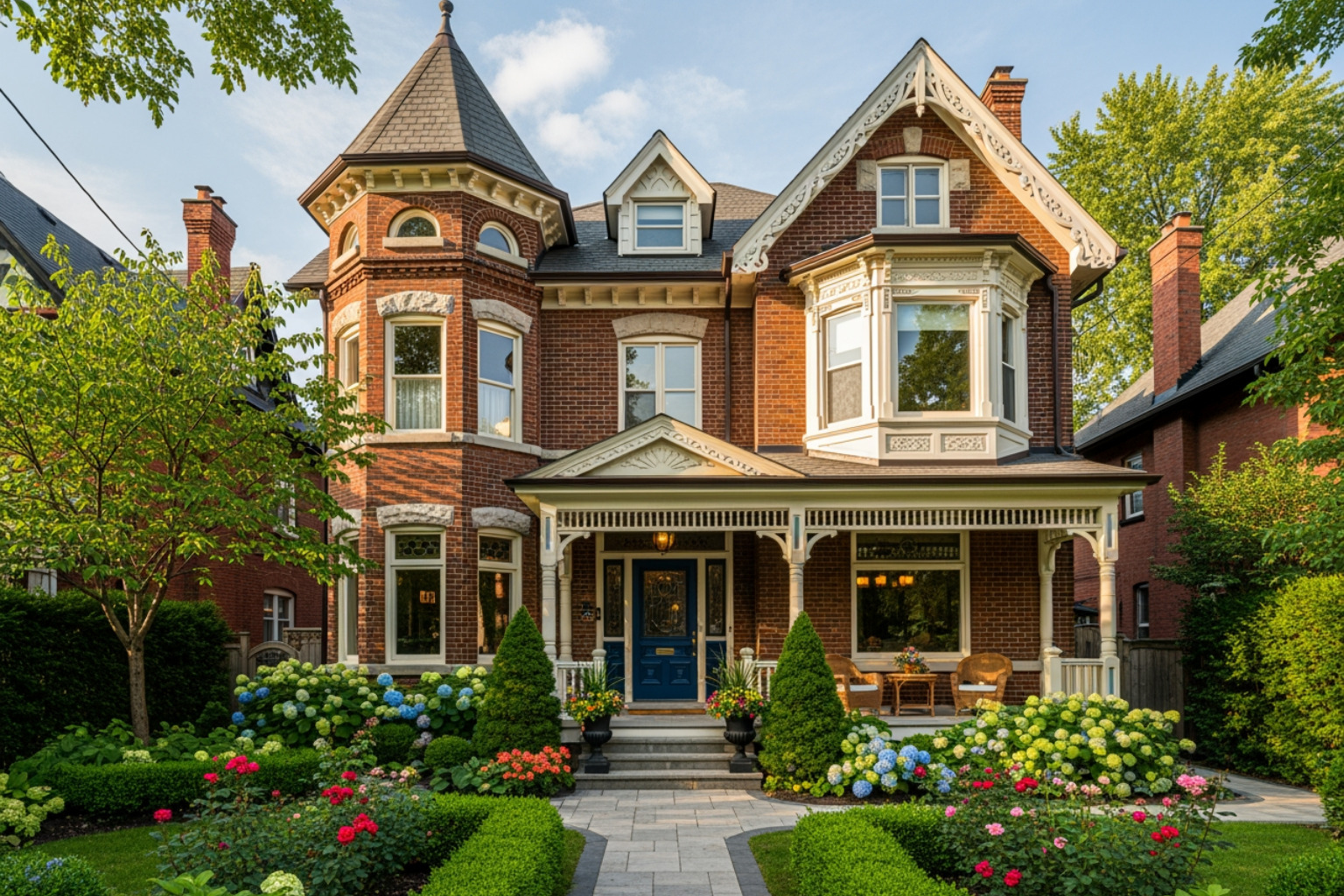
Toronto’s diverse urban landscape offers a wide array of rental property types, each with its own characteristics. From historic Victorian homes to sleek modern condos, the city has a style to suit nearly every preference and academic need. Understanding the differences will help you find a space that supports both your research goals and your daily comfort.
Houses, Townhouses, and Lofts
If you’re seeking more space or privacy, rental homes Toronto offers compelling options. Detached and semi-detached houses, often found outside the downtown core, provide more square footage and frequently a yard—ideal for families or those desiring a quieter feel. Townhouses present a middle ground, offering multiple bedrooms for groups or families. Lofts, typically converted industrial buildings, appeal to those who appreciate open-concept layouts, high ceilings, and abundant natural light, providing an inspiring environment for creative work.
Apartments and Condominiums
The majority of rental homes Toronto are apartments and condominiums, especially downtown. Toronto’s skyline is dominated by condo towers offering modern units and amenities like gyms, pools, and concierge services, which can improve your quality of life during a research stay. Low-rise apartment buildings, often older, can offer more space for the price with a more residential feel. For solo academics, studio and bachelor apartments offer an efficient and often affordable option, typically well-located near transit and campuses.
For more insights and tips on finding the perfect academic rental, we invite you to explore the articles in our blog.
Basement Suites and Other Options
Beyond traditional options, Toronto offers specialized rentals. Basement apartments can be a more affordable choice, particularly for graduate students or post-docs on tight budgets. However, carefully consider factors like natural light and potential noise from upstairs. Duplexes, with two separate units in one building, offer a compromise between a full house and an apartment. For short-term visits, renting a room in a shared house can be a flexible and cost-effective solution, offering a chance to connect with locals.
Top Toronto Neighbourhoods for the Academic Lifestyle
Choosing the right neighborhood is as crucial as finding the perfect property. For scholars, proximity to universities, quiet spaces for deep work, and access to libraries are key. Toronto’s neighborhoods each have a distinct personality, and finding one that aligns with your research needs and lifestyle will significantly improve your time in the city.

Comparing key academic-friendly neighbourhoods
When searching for rental homes Toronto, certain neighborhoods consistently stand out. The Annex is an intellectual hub near the University of Toronto, while York University Heights offers accessible, diverse living for those at York University. Cabbagetown provides Victorian charm with good transit to Toronto Metropolitan University, and Leslieville has an artsy, family-friendly vibe. Downtown options like the Church-Yonge Corridor and Bay Street Corridor offer modern, high-rise living at a premium. For a more residential feel with excellent green space, consider Mount Pleasant or High Park North/Roncesvalles.
Here’s a quick comparison to help you evaluate your options:
| Neighborhood | Proximity to Universities | Transit Score | Average Rent (1-BR) (CAD) | Vibe |
|---|---|---|---|---|
| The Annex | University of Toronto (walkable) | Excellent | \~$2,500 – $3,000 | Historic, intellectual, vibrant, leafy |
| York University Heights | York University (walkable) | Good | \~$2,000 – $2,500 | Student-focused, diverse, accessible |
| Cabbagetown | Toronto Metropolitan University (short transit/bike) | Excellent | \~$2,300 – $2,800 | Victorian charm, community-oriented, artsy |
| Leslieville | U of T, TMU (moderate transit) | Good | \~$2,200 – $2,700 | Artsy, family-friendly, independent shops |
| Church-Yonge Corridor | U of T, TMU (walkable/short transit) | Excellent | \~$2,600 – $3,200 | Downtown, lively, LGBTQ+ friendly |
| Bay Street Corridor | U of T, TMU (walkable/short transit) | Excellent | \~$2,700 – $3,300 | Downtown, financial, high-rise living |
| Mount Pleasant West/East | U of T, TMU (moderate transit) | Good | \~$2,400 – $2,900 | Residential, family-friendly, green space |
| High Park North/Roncesvalles | U of T (moderate transit) | Excellent | \~$2,300 – $2,800 | Green, community-focused, European feel |
Note: Average 1-BR rents are approximate and subject to change. Transit Scores are general indicators.
Commuting in Toronto: Transportation Options
Toronto’s public transportation system, the Toronto Transit Commission (TTC), makes it feasible to live in one neighborhood while working in another. The network of subways, streetcars, and buses is extensive. For travel to the Greater Toronto Area (GTA), GO Transit provides commuter train and bus services.
Many of Toronto’s neighborhoods are also wonderfully walkable and increasingly bike-friendly. When evaluating rental homes Toronto, always factor commute times into your decision. Living closer to your primary institution can save precious hours each week, improving both your productivity and quality of life.
Essential Considerations for Your Toronto Rental Home Search
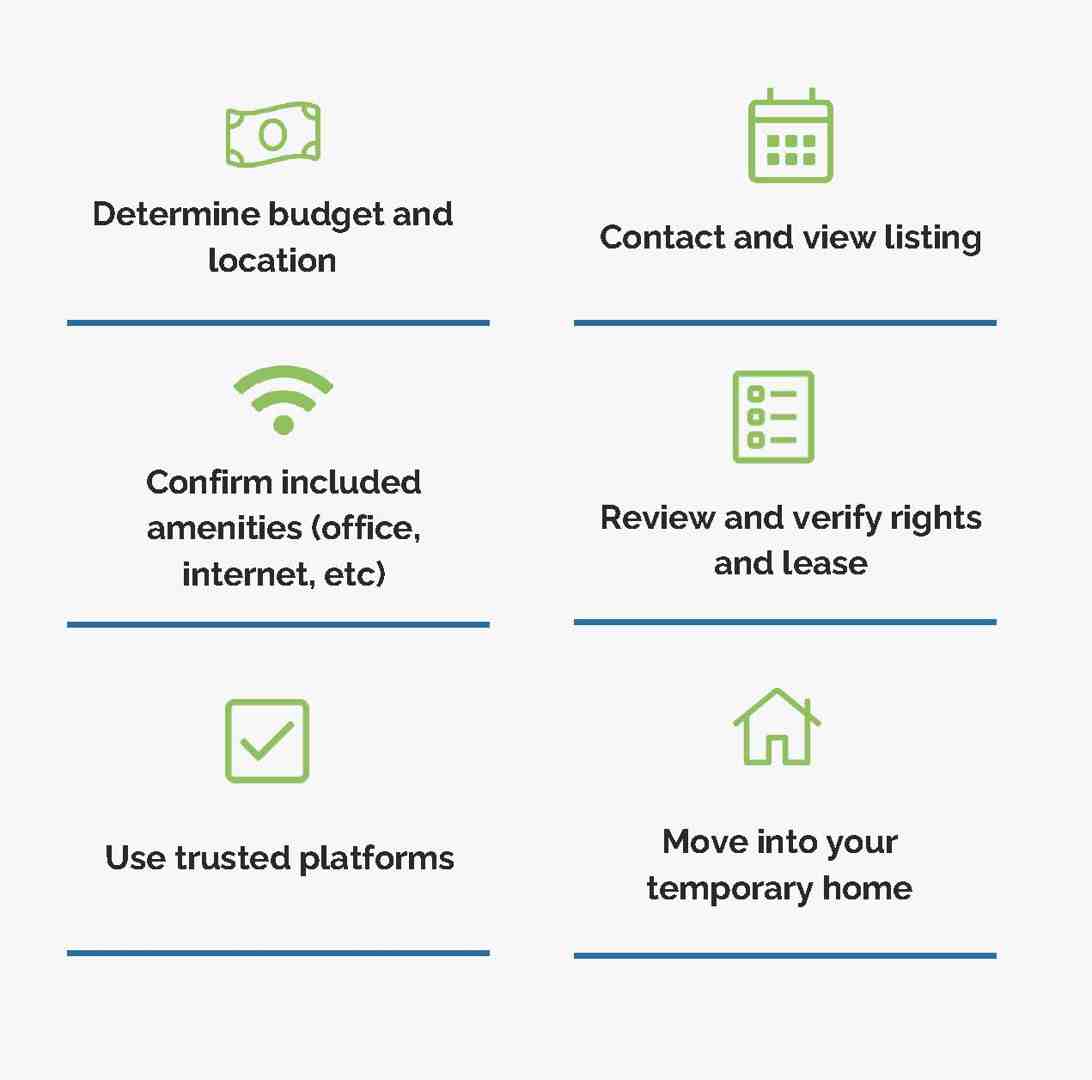
As scholars, our housing needs often extend beyond a typical renter’s checklist. A quiet space for writing, reliable internet, and convenient access to academic resources can make the difference between a productive sabbatical and a frustrating one. When searching for rental homes Toronto, identifying your must-haves will help you find a space that truly supports your work.

Key Amenities and Policies for Academics
For a rental to support your research, consider these key points:
- Home Office Space: A dedicated workspace, whether a separate room or a quiet corner, is crucial for focus.
- High-Speed Internet: Confirm the speed and reliability before signing a lease, especially if you teach online or handle large data files.
- In-Unit Laundry & Air Conditioning: These amenities save time and significantly improve comfort, especially during Toronto’s hot, humid summers.
- Furnished Options: For short-term stays, furnished rentals eliminate the hassle of buying and selling furniture. SabbaticalHomes specializes in connecting scholars with furnished homes. See what your peers are looking for in our tenant listings.
- Pet Policies: If you have a pet, confirm the landlord’s policy in writing before committing.
- Lease Terms: Be upfront about your timeline. Many landlords in the academic community, like those on SabbaticalHomes, offer flexible leases for semester- or year-long stays.
- Utilities: Clarify exactly what is included in the rent (hydro, gas, water, internet) to budget accurately.
Housing for Different Academic Stages
Your academic stage influences your housing priorities. Graduate students and post-docs often prioritize affordability and campus proximity, making basement suites or shared housing good options. Established academics may prefer modern amenities and dedicated office space in downtown condos. Families on sabbatical need more space, access to schools, and family-friendly neighborhoods, often found in Toronto’s North and West ends. Starting your search early is key, especially for larger homes in desirable school districts.
Helpful Resources for Toronto Renters
Finding a rental is one thing; understanding your rights is another. Toronto offers several protections to help tenants steer the rental landscape with confidence.
Rental Assistance and Subsidized Housing
Toronto’s main subsidized housing program is Rent-Geared-to-Income (RGI) housing, where rent is typically set at 30% of a household’s income. However, wait times are substantial, often lasting years. This makes RGI an unsuitable option for academics on short-term fellowships or sabbaticals, who are better served by flexible platforms like SabbaticalHomes.com.
Understanding Your Rights
Knowledge is power for renters. The Residential Tenancies Act, 2006 (RTA) is the foundation of tenant rights in Ontario, covering everything from rent increases to repairs and eviction. You have the right to a safe, well-maintained property and privacy.
The Landlord and Tenant Board (LTB) is an independent tribunal for resolving disputes between tenants and landlords. Their website is a valuable resource, especially for international scholars.
To avoid rental scams, never send money before viewing a property and signing a lease. Be wary of deals that seem too good to be true and always verify the landlord’s identity. If searching from abroad, ask a trusted colleague in Toronto to view the property on your behalf.
Conclusion
Your search for rental homes Toronto doesn’t have to be overwhelming. While the market is competitive, Toronto offers a rich and diverse rental landscape that can accommodate nearly every academic need and budget. By understanding average costs, exploring different neighborhoods, and identifying the amenities crucial for your work, you are well-equipped to find a suitable home.
Toronto is a city that welcomes scholars, with world-class universities and a vibrant international community. It’s an environment where you can focus on what matters most: your research, writing, and teaching.
Since 2000, SabbaticalHomes has been connecting academics with homes in Toronto and around the world. We understand you need more than just a rental—you need a true home base for your academic journey.
Start your search with confidence. Your ideal rental home is out there.
Find your ideal Toronto rental home
Let us know what you think! Connect with us on X, LinkedIn, Facebook, Instagram, YouTube, and Pinterest.