

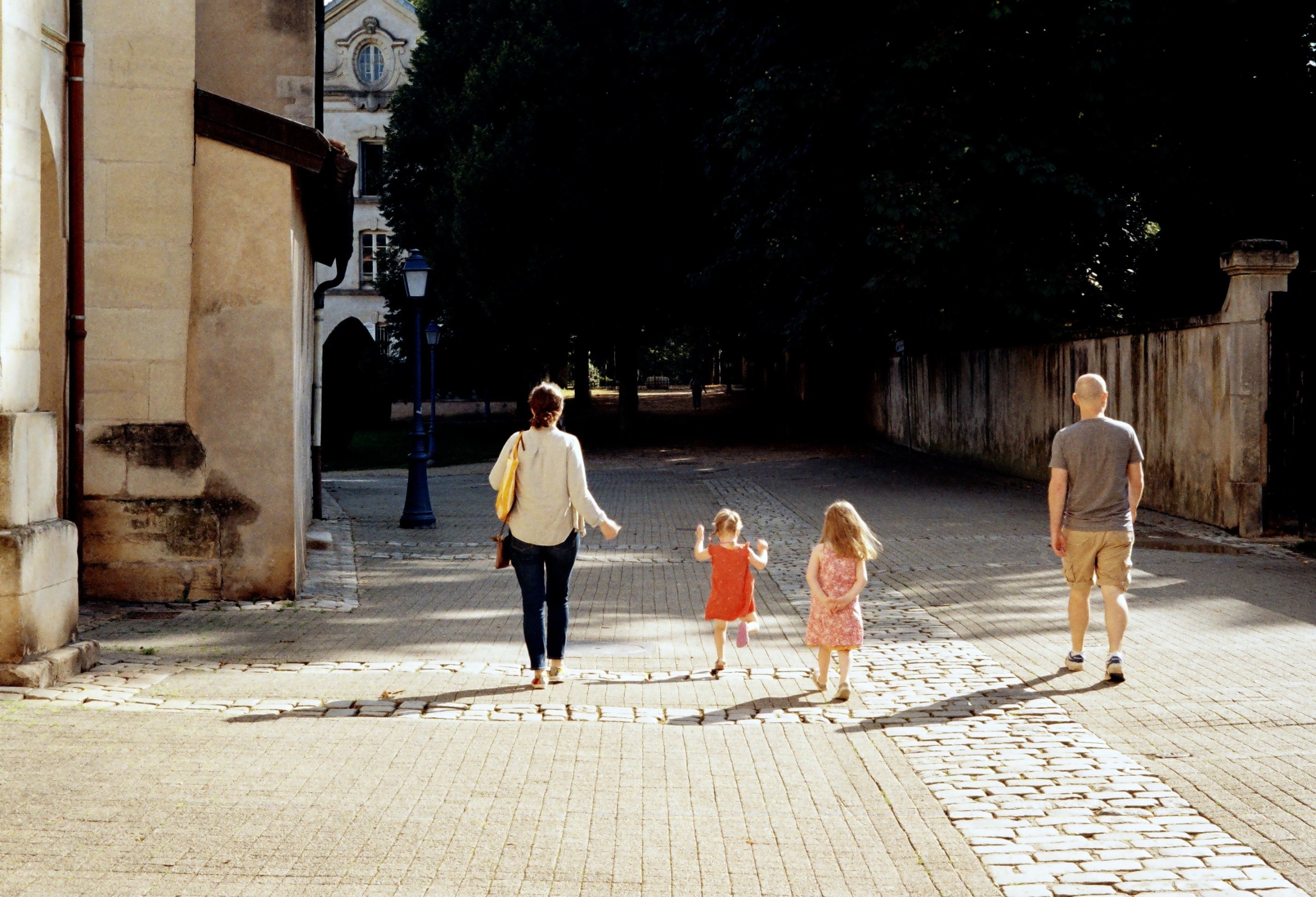
A family sabbatical is one of the most meaningful things you can do together. For academics, researchers, Fulbright fellows, and an increasing number of remote professionals, extended time abroad offers a rare chance to pursue serious work while giving your children the kind of education no classroom can replicate.
The planning involved is real, especially when kids are part of the picture. Housing, schooling, visas, healthcare, and budgeting all take on new dimensions when you are not traveling alone. This guide walks through each piece so you can approach your family sabbatical with confidence.
What Is a Family Sabbatical?
A family sabbatical is an extended period, typically ranging from a few months to a full year, during which a family relocates temporarily for professional, academic, or personal development purposes. It is not a vacation, though travel is often part of the experience.
The defining feature is intentionality: you are going somewhere to do something meaningful, and your family comes with you.
Family sabbaticals take many forms:
- Academic sabbaticals, where a faculty member takes leave from their home institution to conduct research, write, or teach abroad
- Fulbright and fellowship appointments that place scholars and researchers at host institutions worldwide
- Visiting scholar positions at universities that come with a defined term and institutional affiliation
- Remote work arrangements that allow professionals to live abroad for months at a time
- Gap year or slow travel arrangements for families seeking a deliberate pause
What distinguishes a family sabbatical from a family gap year is usually the professional anchor. Most family sabbaticals are organized around a specific appointment, grant, or project rather than open-ended travel.
Why More Families Are Taking Sabbaticals
Interest in family sabbaticals has grown steadily as more academic institutions formalize sabbatical leave policies, remote work becomes mainstream, and families prioritize experiential learning alongside traditional schooling.
The benefits families report most often include:
- Stronger family bonds from shared daily life in an unfamiliar place, without the usual distractions of packed schedules at home
- Cultural immersion that builds global awareness and perspective in children
- Language exposure, even informal immersion in a new language, that accelerates acquisition for children far faster than classroom instruction
- A slower pace that creates space for connection, reflection, and creativity
- Professional development and research access that would not be possible from a home institution
For many families, the sabbatical becomes a reference point their children carry for the rest of their lives.
Choosing the Right Time for a Family Sabbatical
Timing a family sabbatical involves balancing your professional window with your children’s school years. Neither has to be perfect, but being realistic about each will save a lot of friction later.
Elementary School Years
Many families find that the elementary years, roughly ages 5 through 10, are the most flexible. Children are adaptable, language acquisition at this age is remarkably fast, and the academic disruption from a year abroad is relatively minimal. Local schools are often a practical option because children at this stage integrate socially without needing fluency first.
Middle School
The middle school years introduce more complexity. Social bonds at home are stronger and harder to leave, and academic content begins to diverge meaningfully by country and curriculum. That said, many families find that the challenge is also the point: navigating something genuinely hard together builds resilience.
High School
High school timing requires the most careful planning. Course credits, college application timelines, and transcript continuity all need attention. International schools with IB programs are often the practical solution for older teens, though they come at a cost. A semester or year abroad during 9th or 10th grade tends to be less disruptive than junior or senior year.
Faculty and Fellowship Windows
For academics, sabbatical eligibility is typically tied to years of service, often one semester of full pay or one year at partial pay after six or seven years. Fulbright and other competitive fellowships carry their own timelines. Building your family plan around these professional windows rather than trying to engineer one from scratch will make the logistics much more manageable.
Housing Considerations for a Family Sabbatical
Finding the right housing is the logistical centerpiece of any family sabbatical. A furnished, longer-term rental in a family-friendly neighborhood is the standard solution for most academic and research families. SabbaticalHomes connects visiting scholars and researchers with furnished rentals, home exchanges, and house-sitting opportunities specifically suited to extended academic stays.
When evaluating housing for a family sabbatical, think through:
School Districts and Proximity
If your children will attend local schools, the school district matters as much as the apartment itself. Research school options before you commit to a neighborhood, not after.
Walkability and Public Transit
Families on sabbatical often have one fewer car than they are used to, and may be navigating an unfamiliar city without a local network. Proximity to transit, markets, and daily life reduces friction significantly.
Space and Setup
A furnished apartment that works for a childless visiting scholar may not work for a family of four. Confirm bedroom count, kitchen equipment, and outdoor access if that matters to your children.
Length of Stay and Lease Flexibility
Most sabbatical stays run three to twelve months. In France, the Bail Mobilite (mobility lease) offers furnished rentals of one to ten months specifically designed for academic and professional stays. Similar short-term furnished options exist in most countries with strong visiting scholar programs.
Related: A Professor’s Guide to Sabbatical Housing
Schooling Options During a Family Sabbatical
This is usually the question families spend the most time on, and the answer varies significantly by destination, age of your children, and length of stay.
Local Public Schools
For younger children, especially those spending a full academic year abroad, enrolling in local public school is often the most immersive and affordable option. Language barriers are real but tend to resolve faster than parents expect. Many host institutions and universities can connect visiting families with local school contacts.
International Schools
International schools offer English-language instruction and often follow the International Baccalaureate or another internationally recognized curriculum. They are the practical choice for older children or families staying in destinations where local school integration would be difficult. The tradeoff is cost: international school tuition can run several thousand dollars per term.
Homeschooling
A growing number of sabbatical families homeschool during their time abroad, using a combination of structured curricula, online resources, and the educational opportunities the destination itself provides. This requires significant parental investment but offers maximum flexibility.
Online and Hybrid Options
Online school programs have expanded considerably since 2020. Some families maintain enrollment in an online school from their home country throughout the sabbatical, supplemented by local activities and language classes. This works particularly well for high school students who need to maintain course continuity.
Budgeting for a Family Sabbatical
Family sabbatical costs vary enormously by destination, housing arrangement, school choice, and lifestyle. The categories below are the ones that tend to catch families off guard.
- Housing: Furnished rentals abroad are often comparable to or less than what you would pay at home, particularly in Europe and parts of Asia. Home exchange through a platform like SabbaticalHomes eliminates housing costs entirely if you are willing to offer your own home in return.
- Healthcare: Confirm your existing health insurance coverage abroad before you depart. Many U.S. employer plans have limited international coverage. Short-term international health insurance or travel health policies are worth the investment for stays over a month.
- Schooling: Public school is free in most countries for resident children. International school tuition is the largest variable cost for families with school-age children.
- Transportation: Budget for initial flights, local transit passes, and any ground travel you plan within the region.
- Travel insurance: Trip interruption and emergency evacuation coverage is worth having, especially for longer stays.
- Renting your home: Many sabbatical families offset costs by renting their home while abroad. SabbaticalHomes listings serve both sides of this equation, connecting outgoing sabbatical families with incoming visiting scholars who need exactly the kind of furnished home they are vacating.
Family Sabbatical Destinations Popular with Academics
Certain cities come up repeatedly in conversations about family sabbaticals because they combine strong academic institutions, established visiting scholar communities, and practical infrastructure for families.
- Cambridge and Oxford (UK): Both university towns have well-developed visiting scholar communities and good local schools. London’s 90-day limit on short-term rentals does not apply to these cities.
- Edinburgh (UK): Strong research universities, affordable by UK standards, and a deeply livable city for families.
- Paris (France): The Bail Mobilite makes furnished rentals straightforward for academic stays, and the city has strong international school options.
- Vancouver (Canada): A popular destination for visiting scholars from the U.S. and Asia, with excellent public schools and a mild climate.
- Melbourne (Australia): Strong research culture, English-language schools, and a vibrant family-friendly city.
- Berkeley and Boston (USA): Both are magnets for visiting scholars from abroad and have established short-term furnished rental markets.
How a Family Sabbatical Benefits Children
The benefits of a family sabbatical for children are well-documented by families who have done it, even when the experience was harder than expected.
- Adaptability: Children who navigate a new school, a new city, and sometimes a new language develop a genuine tolerance for discomfort and uncertainty that serves them throughout their lives.
- Language exposure: Children acquire language faster than adults, and even a few months of immersive exposure produces measurable gains.
- Independence: Navigating daily life in an unfamiliar place builds practical self-reliance in ways that structured activities at home rarely do.
- Global citizenship: Living somewhere new, not just visiting, gives children a more textured understanding of how other people live.
- Experiential learning: Museums, historical sites, natural environments, and different ways of organizing daily life become part of a child’s education in ways that classroom instruction cannot replicate.
Family Sabbatical Planning Checklist
This checklist covers the core tasks for most family sabbaticals. Start at least six months out for a smooth experience.
- Confirm sabbatical leave approval, fellowship award, or remote work arrangement
- Set a realistic budget covering housing, schooling, healthcare, and travel
- Secure housing well in advance, particularly for competitive academic destinations
- Research schooling options and, if applicable, initiate enrollment or homeschool registration
- Check passport expiration dates for all family members and renew as needed (6-month validity minimum recommended)
- Confirm visa requirements and apply early for any destination requiring a long-stay visa
- Review health insurance coverage abroad and arrange supplemental international coverage if needed
- Notify your home school district of your children’s absence
- Arrange your own home for rental if applicable, and list it on SabbaticalHomes to reach the right audience
- Purchase travel insurance covering trip interruption and emergency evacuation
- Connect with your host institution’s visiting scholar or international office for local resources
Frequently Asked Questions
What is a family sabbatical?
A family sabbatical is an extended period, typically a semester or full year, during which a family relocates temporarily for professional or academic reasons. Unlike a vacation, it is organized around a specific purpose, whether a research appointment, fellowship, or professional opportunity.
How long should a family sabbatical last?
Most academic sabbaticals run one semester (4-5 months) or a full academic year. Fellowship appointments vary but often follow a similar calendar. For remote-work or self-directed sabbaticals, length is more flexible. Many families find that three months is the minimum needed to settle into a place meaningfully, and a full year is often the ideal.
Can children attend school during a family sabbatical?
Yes. Depending on age and destination, children can attend local public schools, international schools, or continue through homeschool or online programs. Most families find that younger children adapt quickly to local schools, while older teens benefit from international or online programs that maintain transcript continuity.
How do academics arrange a family sabbatical?
The process typically begins with applying for sabbatical leave through your institution, which usually requires a proposed project and sometimes a host affiliation. Fulbright, NEH, ACLS, and discipline-specific fellowships are common funding sources. Once the appointment is confirmed, housing and schooling planning can begin in earnest.
Related: Travel Resources for Professors
How much does a family sabbatical cost?
Costs vary significantly. Many academic sabbaticals are funded at full or partial salary, making the net cost manageable, especially if you rent your home while abroad. The largest variable expense for families is typically international school tuition if local school enrollment is not practical. A reasonable full-year budget for a family of four in Western Europe or Australia might run $40,000 to $80,000 all-in, though the range is wide.
Where do families stay during a sabbatical?
Furnished rentals are the most common arrangement. SabbaticalHomes specializes in exactly this, with listings tailored to academic and research families seeking medium- to long-term furnished housing. Home exchanges, where you offer your home in exchange for housing in your destination, are another popular option.
Can you rent out your home while on sabbatical?
Yes, and many families find it helps offset costs substantially. Listing your home on SabbaticalHomes is a natural fit: the platform reaches incoming visiting scholars and researchers who need furnished housing for the same duration you will be away.
Related: How to Make Home Listings Really Work
What are the best countries for a family sabbatical?
The United Kingdom, France, Canada, Australia, and the Netherlands consistently rank well among academic families for a combination of English-language access, strong universities, good schools, and functional short-term rental markets. Within the U.S., university towns like Berkeley, Cambridge MA, and Ann Arbor have well-developed visiting scholar communities.
Planning Your Family Sabbatical
A family sabbatical is genuinely worth the planning it requires. Families who have done it almost universally say the experience reshaped how their children see the world and, often, how they see themselves as a family. The logistics are manageable if you start early and work through each piece methodically. SabbaticalHomes is a good place to start with housing, connecting you with furnished rentals, home exchanges, and a community of academics and researchers who have navigated exactly what you are planning.
Let us know what you think! Connect with us on X, LinkedIn, Facebook, Instagram, YouTube and Pinterest.