

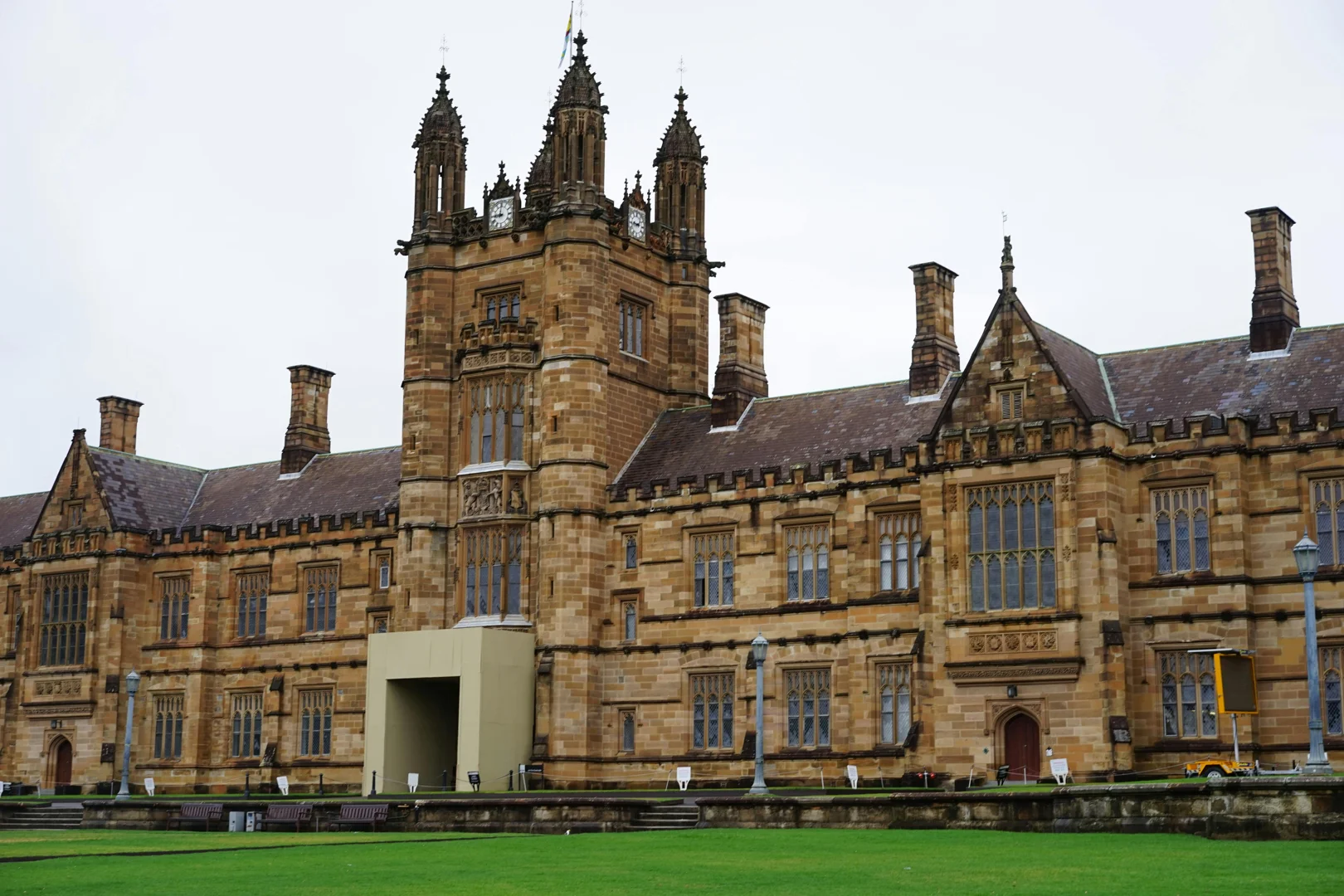
This comprehensive guide explores the multifaceted nature of a Sydney university exchange for postgraduate scholars and researchers. It details the rigorous academic eligibility criteria, the specialized pathways for research practicums, and the unique requirements for creative disciplines. Furthermore, it provides essential advice on navigating the competitive Sydney housing market through SabbaticalHomes.com, alongside practical logistical information regarding visas and the Australian academic calendar, ensuring a seamless transition for international academics seeking to enhance their professional networks in Australia’s premier global city.
Why a Sydney University Exchange Opens Doors for Scholars Worldwide
Sydney university exchange programs offer visiting scholars and researchers the opportunity to study at world-class institutions ranked among the top 20 globally, whilst immersing themselves in Australia’s vibrant academic culture. Whether you’re pursuing a semester-long exchange, a research practicum, or a short-term fellowship, Sydney’s universities—including the University of Sydney and UNSW Sydney—welcome hundreds of international academics annually through formal partnership agreements. These institutions are members of the prestigious Group of Eight (Go8), representing Australia’s leading research-intensive universities, ensuring that any exchange placement is underpinned by academic excellence and rigorous intellectual enquiry.
Quick Overview: Sydney University Exchange Essentials
| Requirement | Details |
|---|---|
| Minimum GPA | 3.0 on a 4.0 scale, or ‘Credit’/’Good’ average equivalent |
| Nomination | Letter from your home institution required |
| English Proficiency | IELTS, TOEFL, or equivalent proof of competency |
| Prior Study | At least one year of postgraduate or advanced degree study |
| Application Deadlines | Semester 1: 30 November (prior year); Semester 2: 30 April |
| Partner Institutions | 250+ universities across 40+ countries |
| Study Basis | Non-award (transcript provided for home institution credit) |
Most exchange programs operate on a non-award basis, meaning you remain enrolled at your home institution whilst studying units at a Sydney university. Your tuition fees are typically paid to your home university through bilateral agreements, and you receive an official academic transcript to transfer credits back home. The application process begins with securing a nomination letter from your home institution’s exchange office, followed by meeting English language and academic performance thresholds. This system allows for a seamless integration into the Australian higher education landscape without the administrative burden of a full degree enrollment.
Sydney’s universities distinguish between exchange programs (for students from partner institutions) and non-exchange study abroad (direct enrollment with fees paid locally). Research-focused scholars can also pursue research practicums, which require securing a local supervisor at least six months in advance. Fields such as Architecture, Visual Arts, and Music often have additional portfolio or audition requirements beyond standard admission criteria. These specialized tracks are designed to cater to the specific needs of advanced researchers who require access to unique Australian archives, specific laboratory equipment, or local field sites.
The path to a successful exchange involves four key stages:
- Explore available programs and partner institutions through the Global Mobility Database
- Apply by meeting eligibility criteria and submitting required documentation
- Experience your time in Sydney with proper academic enrollment and housing support
- Return home with transferable credits and expanded professional networks. Each stage requires careful planning, particularly when aligning the Australian academic calendar with Northern Hemisphere schedules.
Housing remains one of the most significant practical considerations for visiting scholars. Unlike those seeking dormitory-style accommodation, postgraduate researchers and faculty members typically require furnished, private housing with workspace suitable for writing and analysis. The following sections will guide you through eligibility requirements, specialized program options, and practical strategies for securing academic accommodation that supports rigorous scholarly work during your Sydney university exchange. By focusing on the needs of the academic community, we ensure that your stay in the Harbour City is as productive as it is memorable.
Eligibility and Admission for a Sydney University Exchange
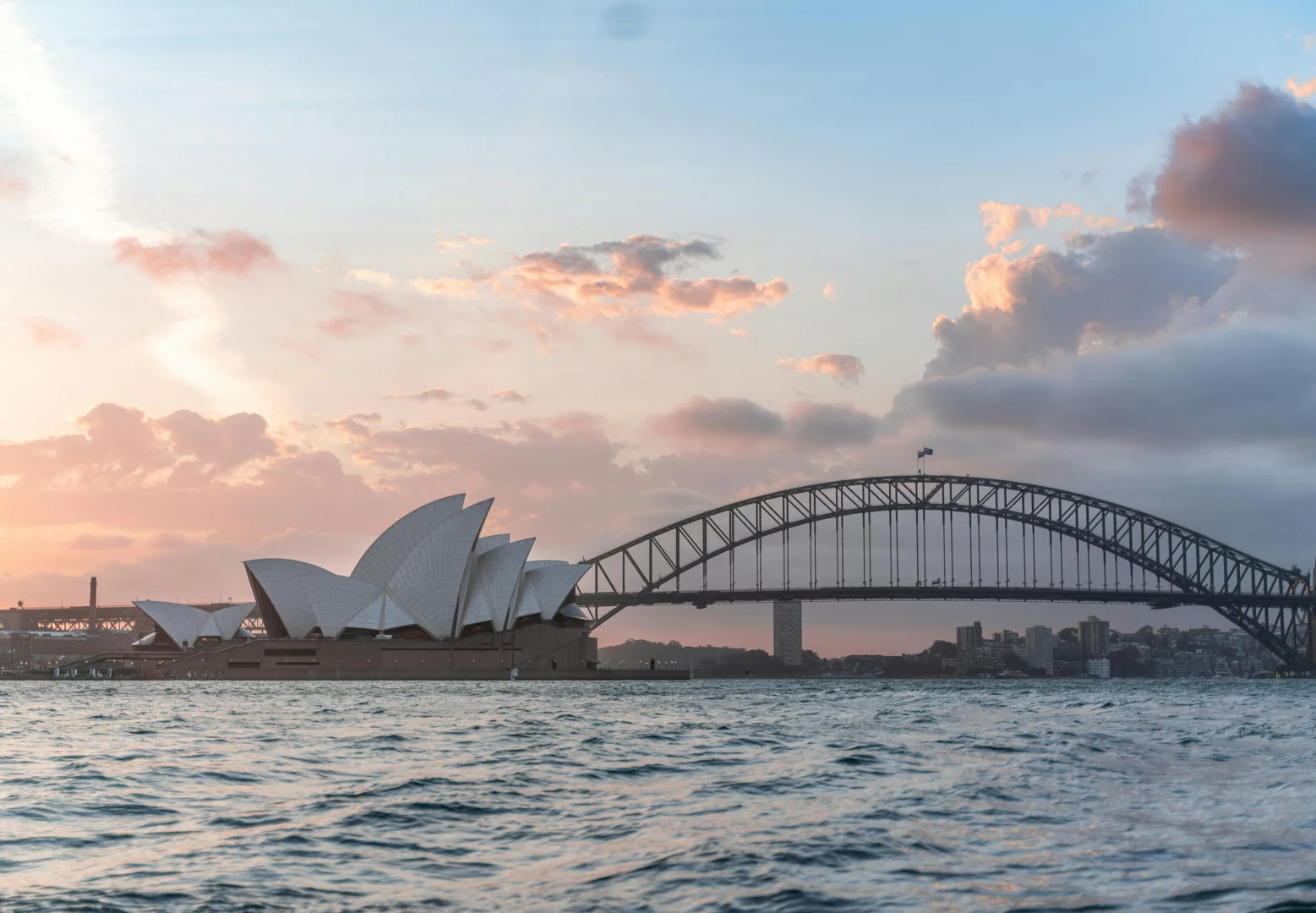
Navigating the admission landscape for a Sydney university exchange requires a meticulous approach to documentation and academic standards. Unlike general admission, exchange entry is predicated on a bilateral agreement between your home institution and the host university in Sydney. The primary gateway is the nomination process; your home institution must formally nominate you to the host university before you can proceed with an application. This ensures that the exchange is recognised by both parties and that the credits earned will be valid upon your return.
Academic performance is the cornerstone of eligibility. Most top-tier Sydney institutions, such as the University of Sydney and UNSW, maintain rigorous thresholds. Generally, applicants must have completed at least one full year of study at their home university at a postgraduate level. The minimum academic performance is typically set at a cumulative GPA of 3.0 on a 4.0 scale. In the European context, this usually equates to a ‘C’ or better on the ECTS grading scale, or a ‘Credit’ to ‘Good’ average in other systems. These standards are in place to ensure that visiting scholars can thrive in the demanding academic environment of Australia’s leading research centers.
It is vital to note that these academic requirements are not static. The University of Sydney, for instance, updates its exchange academic requirements annually in October. Scholars should always refer to the official English language requirements and university handbooks to ensure they are working with the most current data before submitting their dossiers. Failure to provide the correct version of a transcript or an outdated English test result can lead to significant delays in the visa application process.
Core Academic Requirements for Inbound Scholars
To be considered for a Sydney university exchange, you must satisfy several core criteria:
- Letter of Nomination: A formal endorsement from your home university’s international or exchange office is mandatory. This letter must confirm your current enrollment and the university’s support for your exchange.
- Prior Study: Completion of at least one year of full-time study toward your current postgraduate degree. This ensures you have a solid foundation in your chosen field before undertaking advanced units in Sydney.
- GPA Thresholds: A cumulative GPA of 3.0/4.0 or a ‘Credit’ average (approximately 65% in the Australian system). Some competitive faculties may require a higher average for specific research-intensive units.
- Postgraduate Eligibility: Many programs are specifically tailored for postgraduate coursework students, provided there is scope within their degree for external credit. PhD candidates often find the research practicum pathway more suitable for their needs.
English Language Proficiency Standards
For scholars from non-English speaking backgrounds, proving language proficiency is a non-negotiable step. Sydney universities accept a range of standardized tests, including IELTS (Academic), TOEFL iBT, and the Pearson Test of English (PTE) Academic. While general requirements often hover around an IELTS score of 6.5 with no band below 6.0, certain faculties—such as Law or Medicine—may require significantly higher scores, often an IELTS 7.0 or 7.5. We recommend checking faculty-specific thresholds early, as these can impact your eligibility for specific interdisciplinary units. Additionally, some universities may accept a certificate of English proficiency from your home institution if the medium of instruction there is English, but this is subject to strict verification and bilateral agreement terms.
Research Practicums and Postgraduate Opportunities
For many in the SabbaticalHomes.com community, a Sydney university exchange is less about coursework and more about intensive research. Sydney’s universities offer robust “Research Practicum” tracks, allowing postgraduate students and early-career researchers to access world-class facilities on a non-award basis. These programs are ideal for those needing to conduct field research, access specific archives, or collaborate with Australian-based experts. The research culture in Sydney is highly collaborative, with many universities hosting interdisciplinary centers that bring together scholars from across the globe to tackle complex societal challenges.
The Research Practicum at institutions like UNSW is a specialized pathway. It often involves a flat application fee (approximately AUD $330) and a tuition fee per term, though these may be waived under certain reciprocal exchange agreements. Unlike semester exchanges, these placements are highly individualized and focus on a specific project rather than a suite of classroom units. Upon completion, researchers receive an official academic transcript or a certificate of participation, which can be used to satisfy requirements at their home institution. This pathway is particularly popular for PhD students who are in the data collection or analysis phase of their dissertation.
Securing a Research Supervisor
The most critical step in a research-based exchange is supervisor matching. You cannot apply for a research practicum until a member of the host university’s academic staff has formally agreed to supervise you. We suggest a six-month lead time for this process to allow for the development of a rapport and the refinement of the research plan.
- Identify Potential Mentors: Use tools like the UNSW Graduate Research School website or the University of Sydney’s faculty directories to find staff with aligned research interests. Look for recent publications and active research grants to ensure the supervisor has the capacity to host a visiting scholar.
- Prepare a Formal Proposal: When contacting potential supervisors, include a clear research plan, your academic CV, and an explanation of why their specific laboratory or department is essential to your work. Be specific about the resources you require, such as access to specific datasets or specialized equipment.
- Supervision Agreement: Once a staff member agrees, they will provide a letter or email of support, which is a required document for your formal application. This document should outline the duration of the supervision and the expected outcomes of the practicum.
Maximising Your Research Impact During a Sydney University Exchange
Once on the ground, scholars should leverage the full breadth of available resources. This includes not just laboratory space, but also extensive library networks and interdisciplinary hubs. The University of Sydney CBD Campus provides a central nexus for those involved in business, law, or urban research. Accessing the Global Mobility Database can also help you find short-term field schools or collaborative networks that operate during the summer and winter breaks, further extending the reach of your research. Engaging with the local academic community through seminars and workshops is also vital for building long-term professional relationships that extend beyond the duration of the exchange.
Specialized Requirements for Creative and Technical Fields
If your Sydney university exchange falls within the creative arts, music, or architecture, be prepared for a two-tiered application process. These faculties require more than just a high GPA; they seek evidence of creative excellence.
Architecture and Design Exchanges
The University of Sydney and UNSW are renowned for their design schools. Architecture applicants must typically submit a digital portfolio demonstrating their technical proficiency and design thinking. Because studio space is often limited, enrollment is subject to strict availability. It is essential to seek academic approval for specific units of study well before arrival to ensure your home institution will accept the studio credits.
Visual Arts and Music Residencies
For those heading to the Sydney Conservatorium of Music or the Sydney College of the Arts, auditions or creative folios are mandatory.
- Music: Performance recordings or compositions must be submitted according to specific faculty guidelines.
- Visual Arts: A portfolio of recent works, often accompanied by a residency proposal, is required.
- Deadlines: These faculties often have earlier deadlines than general exchange programs, sometimes requiring submissions months in advance to facilitate faculty review.
Finding Academic Accommodation for Your Sydney University Exchange
Securing the right housing is often the most stressful part of planning a Sydney university exchange. Sydney is a competitive rental market, and for academics, the standard housing options often fall short of providing the quiet, professional environment needed for deep work. This is where the SabbaticalHomes.com model becomes an invaluable asset for “minds on the move.”
The SabbaticalHomes.com Model for Visiting Scholars
Since 2000, we have fostered a community built on trust, privacy, and respect. For a visiting professor or researcher, SabbaticalHomes offers several advantages over traditional rentals. Within our community, rentals with house sitting duties are the most prevalent model and have been a cornerstone of the community since 2000. This unique approach allows for a more integrated experience within the local neighborhood while often providing a more cost-effective solution for long-term stays.
- Academic Community: You are often renting from or exchanging with fellow academics who understand the need for a home office and a quiet environment. This shared understanding simplifies the rental process and ensures that the property meets the specific needs of a researcher.
- Furnished Homes: Most listings are fully furnished, including kitchenware and linens, making them a practical choice for a six-month or year-long stay. This eliminates the need for scholars to purchase furniture or household items upon arrival.
- House Sitting Opportunities: As mentioned, rentals with house sitting duties are the most prevalent model and a cornerstone of the community since 2000. This often involves helping with the garden or mail in exchange for a more affordable rate, fostering a relationship built on mutual benefit and trust.
- Flexibility: Whether you need a writing retreat in a quiet suburb or a central apartment near the University of Wollongong Sydney CBD Campus, our platform allows you to negotiate terms directly with the host, ensuring the arrangement suits both parties.
Navigating Sydney’s Suburbs for Academic Life
Where you live will significantly impact your experience. Sydney’s geography is diverse, and choosing a suburb that aligns with your university location and lifestyle preferences is essential.
- Camperdown and Darlington: Ideal for those at the University of Sydney. These suburbs are leafy, historic, and walking distance to the main quadrangle. They offer a range of cafes and bookstores that cater to the academic crowd.
- Kensington and Randwick: The primary hubs for UNSW. These areas offer great access to the university and are a short bus or light rail ride from the beaches. They are vibrant areas with a strong sense of community.
- Wollongong: For those looking for a slightly slower pace or focused research at UOW, there are many beautiful Homes to rent in Wollongong that offer stunning coastal views and easy commutes. The train journey from Wollongong to Sydney is also quite scenic, providing a peaceful environment for reading or writing.
- Coogee and Maroubra: Popular for scholars who want to balance their research with the famous Sydney coastal lifestyle. These suburbs offer a more relaxed atmosphere while remaining accessible to the major university campuses via public transport.
Practical Logistics: Calendars, Visas, and Life in the Harbour City
Success in a Sydney university exchange also relies on mastering the logistical “nuts and bolts” of Australian life. From health insurance to understanding a calendar that runs “upside down” compared to the Northern Hemisphere, preparation is key. The Australian lifestyle is often described as laid-back, but the administrative requirements for international scholars are rigorous and must be followed to the letter.
Understanding the Australian Academic Calendar
The Australian academic year begins in February, which can be a significant adjustment for those coming from the Northern Hemisphere. It is essential to plan your exchange well in advance to ensure your home institution’s requirements align with the Australian semester dates.
- Semester 1 (Autumn): Typically runs from late February to June. This semester coincides with the transition from summer to autumn, offering pleasant weather for exploring the city.
- Semester 2 (Spring): Runs from late July to November. This is often the busiest time of the year for universities, with many research symposiums and conferences taking place.
- Short-term Programs: Many universities offer winter schools (June/July) and summer schools (January), which are excellent for intensive research or language units. These are often more flexible and can be a good option for scholars with limited time. Refer to the Academic Calendar for Study Abroad for specific term dates and exam periods, as being available for the entire exam window is a mandatory requirement for maintaining your visa status. Missing an exam or a final assessment can have serious implications for your academic record and your future visa eligibility.
Health Insurance and Visa Compliance
All international scholars on a student visa must have Overseas Student Health Cover (OSHC) for the duration of their stay. This is a requirement for your visa to be granted and ensures you have access to medical services without incurring exorbitant costs. There are limited exceptions for citizens of Norway, Sweden, and Belgium due to reciprocal national health agreements, but even then, specific documentation is required. Once you receive your Confirmation of Enrollment (CoE) from the host university, you can proceed with your visa application. We also recommend registering your travel with your home institution’s travel registry for safety and insurance purposes. Navigating the visa process can be complex, so it is advisable to start the application as soon as you receive your official offer from the Sydney university.
Frequently Asked Questions about Sydney University Exchanges
What is the minimum GPA required for a Sydney university exchange?
Most institutions, including the University of Sydney and UNSW, require a cumulative GPA of 3.0 on a 4.0 scale, or a ‘Credit’ average equivalent. This ensures that visiting scholars can keep pace with the rigorous academic standards of the Group of Eight (Go8) universities. For postgraduate researchers, a strong record of previous research and publications can sometimes be considered alongside the GPA.
Can postgraduate students participate in research-based exchanges?
Yes, postgraduate students and researchers can apply for research practicums or semester-long exchanges, provided they secure a local supervisor and institutional approval. These programmes are highly flexible and can be customized to match the specific needs of a PhD thesis or a collaborative research project. Many scholars find that the access to Australian-specific data and expertise is invaluable for their work.
How do I find a research supervisor before applying?
Prospective scholars should search faculty websites or the Graduate Research School databases to identify academic staff whose research aligns with their own, then contact them directly with a proposal. It is helpful to mention any shared publications or specific laboratory techniques you wish to learn. A well-crafted, professional email that demonstrates a clear understanding of the supervisor’s work is more likely to receive a positive response.
Are there specific English language requirements for postgraduate exchanges?
Yes, postgraduate scholars must meet the English language proficiency standards set by the host university. These are often higher than those for other levels of study, particularly in fields like Law, Medicine, or Education. Standardized tests like IELTS, TOEFL, and PTE are widely accepted, but it is essential to check the specific requirements for your chosen faculty well in advance of the application deadline.
Conclusion
Embarking on a Sydney university exchange is a transformative step for any scholar. The opportunity to collaborate within the “Harbour City”—a global hub of innovation and culture—provides a unique catalyst for academic growth. From the historic cloisters of the University of Sydney to the cutting-edge research facilities at UNSW, the city offers an environment where minds can truly move and flourish. By carefully planning your academic and logistical requirements, you can ensure a productive and enriching experience.
Whether you are conducting field research or engaging in a collaborative residency, the right environment is paramount. SabbaticalHomes.com provides the academic community with a dedicated platform for finding respectful, furnished housing that supports the rigors of scholarly life. Explore our listings to find your ideal home away from home in Sydney, and let the beauty of the Australian coast inspire your next great breakthrough.
Let us know what you think! Connect with us on X, LinkedIn, Facebook, Instagram, YouTube and Pinterest.