

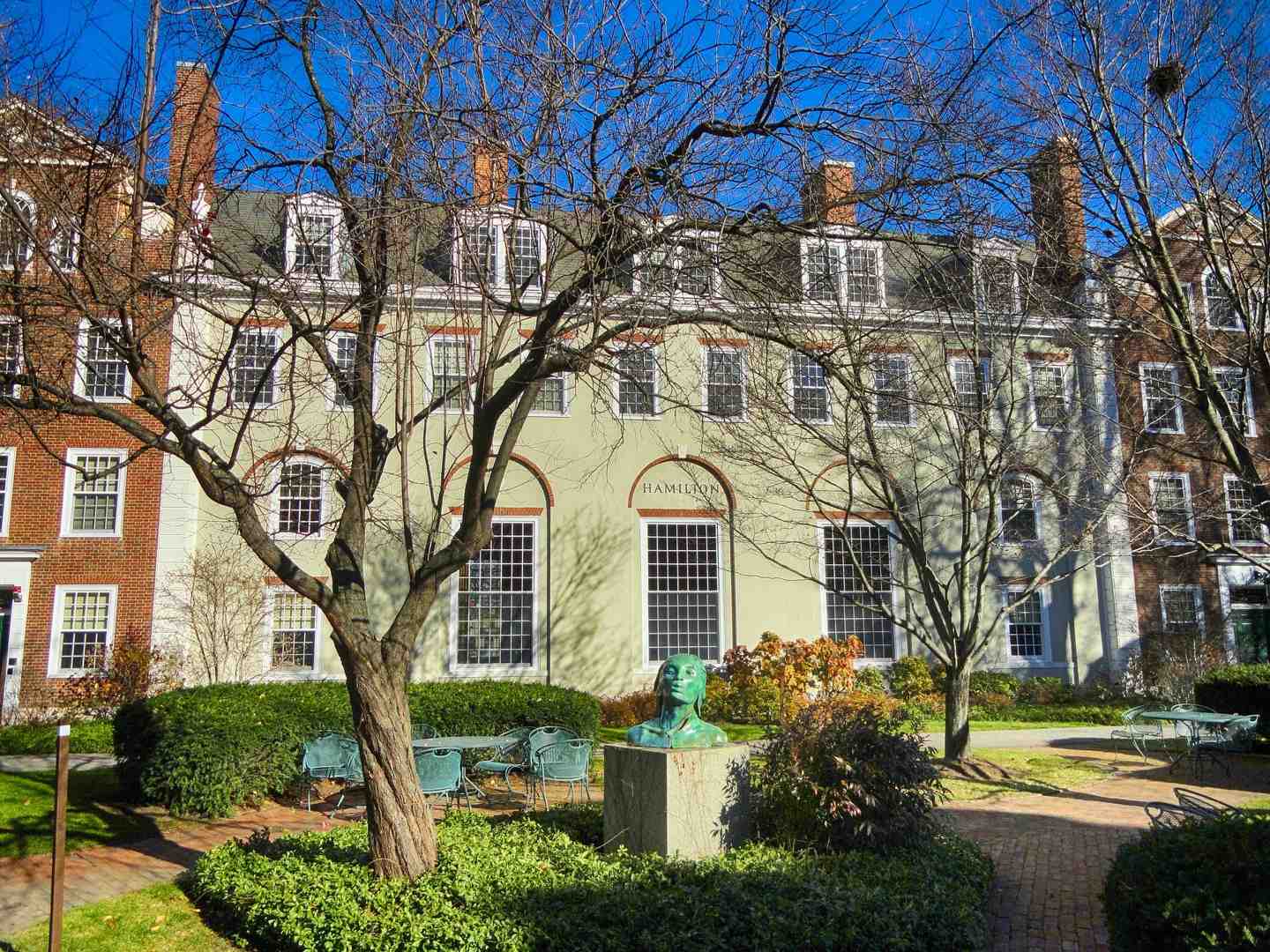
Securing accommodation as a postdoctoral fellow in Boston or Cambridge requires a strategic approach. This guide provides essential insights into the competitive rental market, covering typical costs, desirable neighbourhoods, and the application process. You will learn how to navigate challenges like high upfront fees and potential scams, and discover how resources tailored for the academic community, such as SabbaticalHomes.com, can help you find a suitable home that supports your research and simplifies your relocation.
The Boston and Cambridge rental markets are among the most competitive in the United States, but understanding your options upfront can save you time, money, and stress. Here is what you need to know immediately:
- SabbaticalHomes.com: A platform connecting academics to furnished, flexible-term rentals within a trusted community, often without broker fees and with transparent pricing, ideal for research appointments.
- Off-Campus Private Rentals: One- to two-bedroom apartments in Cambridge or Somerville typically cost USD $2,600-$3,000 per month. Be prepared for significant upfront costs, often including the first month’s rent, last month’s rent, a security deposit, and a potential broker’s fee (totaling up to four times the monthly rent).
- Popular Neighborhoods: Cambridge, Somerville, Allston, and Watertown offer proximity to campus, public transport access, and varying price points.
- Start Early: The Boston rental market is heavily influenced by a September 1st lease cycle tied to the academic year, creating intense demand and rapid turnover.
Moving to the area for a postdoctoral position means navigating a housing landscape where apartments can be leased within days of listing, upfront costs can exceed USD $10,000, and international researchers face additional hurdles like establishing a U.S. credit history. As one couple who relocated from Australia found, “It was extremely stressful for us in the first few months, as we saw our savings being eaten away.”
The good news? With proper planning and the right resources, you can find housing that fits both your budget and your research timeline. Whether you are arriving for a one-year fellowship or a multi-year appointment, understanding the rental market’s quirks—from broker fees to occupancy limits—will help you make informed decisions.
Since 2000, SabbaticalHomes has been a trusted resource for academics and scholars seeking affordable, short-term furnished housing options, leveraging firsthand expertise to address the unique challenges of finding reliable accommodation. Our platform was built specifically to address the housing challenges scholars face, offering a trusted community where postdocs can find furnished, flexible rentals without the typical broker fees or hidden costs.

Understanding the Boston & Cambridge Housing Landscape
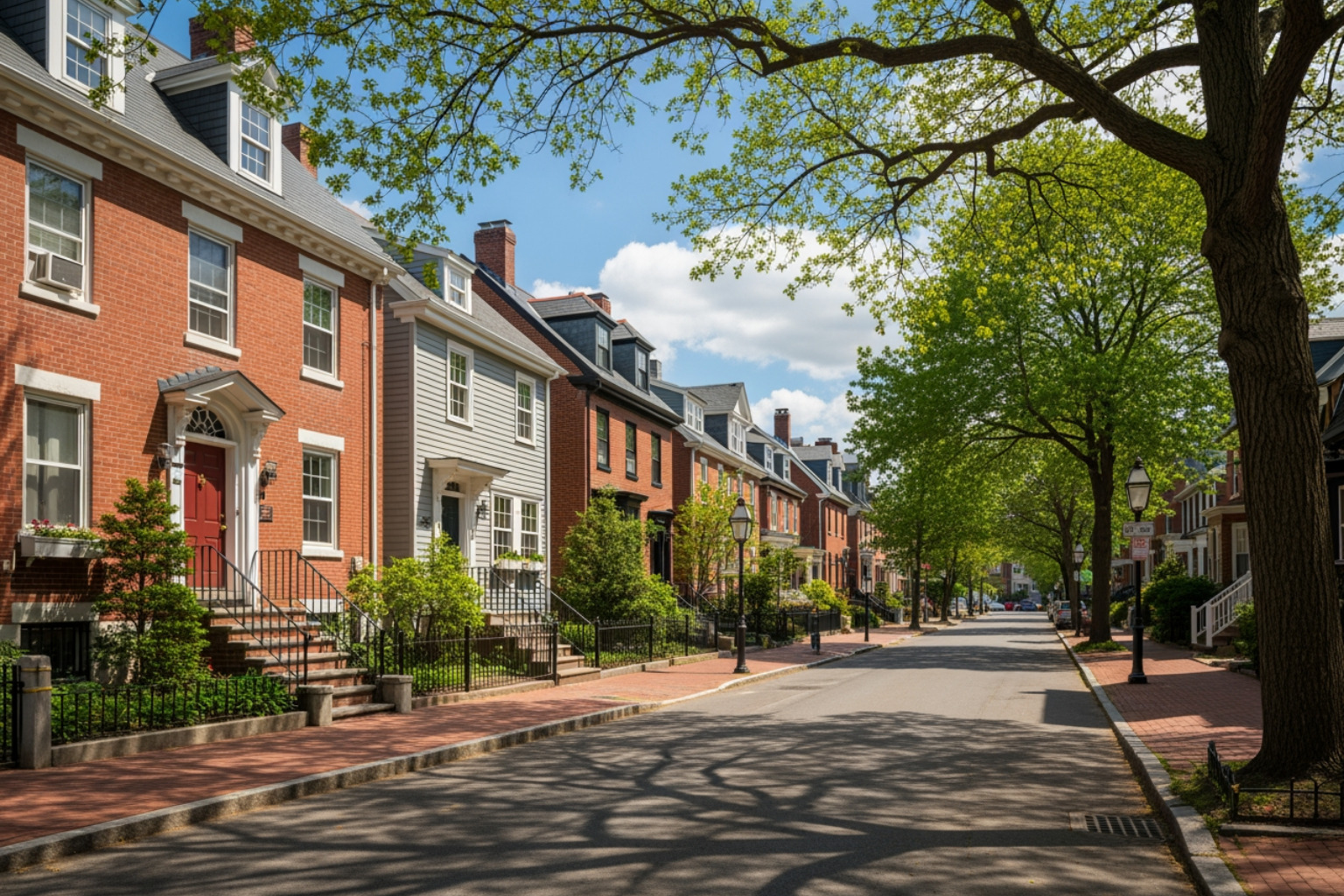
Boston and Cambridge are vibrant intellectual hubs, attracting researchers from around the globe. This popularity, however, comes with a high cost of living, particularly when it comes to housing. For postdocs, balancing research commitments with finding an affordable and convenient home is a significant challenge. The cost of living in these cities significantly impacts housing decisions. As an expert source points out, “cities offer great postdoc opportunities, but the cost is an issue.” We understand that your postdoc salary, while crucial, may not stretch as far as it would in other regions. This is why a strategic approach to your housing search is paramount.
The rental market here is highly competitive, driven by the academic calendar. Leases commonly begin on September 1st, aligning with university semesters. This tradition creates a frantic period from June to August, where demand far outstrips supply, leading to intense competition and properties being rented within days of listing. Starting your search early is not just advice; it is a necessity for securing a desirable home.
Average Costs and Upfront Fees
When budgeting for your move, it is vital to understand the typical costs. Our research shows that a one- or two-bedroom apartment in Boston, Cambridge, or Somerville can range from USD $1,600 to $3,000 a month. More specifically:
- Studio apartments in Cambridge average around USD $2,200 per month.
- One-bedroom apartments in Cambridge average about USD $2,800 per month.
Beyond the monthly rent, you must prepare for significant upfront costs. Most lease agreements demand at least the first and last month’s rent. In Massachusetts, a landlord can legally collect the first month’s rent, the last month’s rent, a security deposit (not to exceed one month’s rent), and the cost of a new lock and key. If you secure housing through a real estate agent, you must also pay a non-refundable brokerage fee, often equivalent to one month’s rent. This means your initial housing outlay could be several thousand dollars, a substantial sum to budget for before you even receive your first paycheck.
Choosing a Neighbourhood: Balancing Commute and Cost
Your choice of neighborhood will directly impact both your housing costs and your daily commute. Many postdocs and faculty members choose to live in areas closest to the Cambridge campus, including:
- Cambridge: Offers the shortest commutes and a vibrant academic atmosphere but generally comes with the highest rental prices. Neighborhoods like Riverside are highly walkable, with excellent public transport and bike scores. Central Square and Inman Square offer a lively mix of restaurants and shops, while West Cambridge provides a quieter, more residential feel.
- Somerville: Adjacent to Cambridge, Somerville offers a slightly more affordable alternative with good access to public transportation and a lively community. Areas like Davis Square are cultural hotspots with a theatre, independent shops, and numerous cafes, all accessible via the Red Line. Be aware of local zoning ordinances, such as the one in Somerville that limits the number of unrelated individuals living in one dwelling unit to no more than four.
- Allston: Often more budget-friendly, especially for those commuting to the Longwood Medical Area. It has a youthful, energetic vibe and is well-connected by the Green Line and several bus routes.
- Watertown: A quieter, more residential option that can offer better value. It is well-served by buses that connect to Harvard Square, making it a feasible commute. It is particularly popular with postdocs who have families.
- Arlington: Similar to Watertown, offering a suburban feel with good access to public transport routes into Cambridge. The Minuteman Bikeway, a popular cycling path, runs through Arlington and provides a direct route to Alewife Station on the Red Line.
When evaluating neighborhoods, consider:
- Proximity to Campus: How easily can you get to your lab, office, or library?
- Access to Public Transport: Boston’s MBTA (often called “the T”) is crucial. Many areas are well-served by the underground (Red Line for Harvard Square, Green Line for other areas) and bus routes.
- Walkability & Bikeability: The pedestrian and cycling culture in Boston means you often will not need a car. Harvard offers benefits for bike commuters, including racks and routes.
- Neighborhood Vibe: Do you prefer a busy urban environment, a quieter residential street, or a family-friendly community? The Riverside neighborhood, for instance, is described as both family-friendly and youthful.
Your Guide to Academic Housing Options Near Harvard and BU
This section will help you steer the primary housing options available, with a special focus on how SabbaticalHomes.com provides custom solutions for academics.
Why SabbaticalHomes.com is Ideal for Postdocs
Finding housing that aligns with the unique needs of a postdoctoral researcher—often involving temporary stays, specific research requirements, and a desire for a quiet, conducive environment—can be challenging.
We are built on a foundation of community, privacy, respect, diversity, and trust. Our platform has been dedicated since 2000 to serving professors, writers, researchers, doctoral & grad students, post-docs, and university employees. This means we understand the academic lifestyle and what you need in a home.
We offer:
- Community of Academics and Scholars: We connect you directly with other academics looking to rent their homes. This fosters a mutual understanding of academic life and expectations, leading to smoother tenancy arrangements. A host who is also a professor is more likely to understand the demands of a research project or the need for a quiet writing space.
- Furnished, Flexible-Term Rentals: Most of our listings are furnished, making your relocation much simpler, especially for short-term appointments. This eliminates the significant expense and logistical hassle of buying and moving furniture, a huge benefit for international scholars or those on fixed-term contracts.
- Privacy, Respect, and Trust: We foster a trusted environment where both homeowners and tenants value these principles. Our review and reference systems help build confidence, leading to more reliable housing arrangements than those found on general-purpose rental sites.
- No Hidden Fees or Broker Charges: Unlike traditional rental markets that often involve hefty broker fees, SabbaticalHomes.com operates as a matching service. You make your own arrangements directly with the homeowner, avoiding the typical 10-12% commission charged by agents.
- International Reach and Local Expertise: While we have a global presence, our community includes many members in Boston and Cambridge. This provides a wealth of local expertise and a range of options close to Harvard and BU, from hosts who are familiar with the challenges of relocating from abroad.
For a deeper dive into our approach, read Why SabbaticalHomes is the Best Choice for Academic Housing.
What to Expect from SabbaticalHomes Listings
Our listings are curated with academics in mind, offering features that cater to your professional and personal needs:
- Included Utilities (varies by listing): Many of our listings include utilities such as internet, heating, and electricity, simplifying your budgeting and move-in process. This can be a significant saving and helps you avoid the credit checks and setup fees required by local utility companies.
- Move-In Ready Homes: Our furnished properties are ready for you to settle in, often equipped with academic essentials like a dedicated office space, high-speed internet, proximity to libraries, and an easy commute to campus.
- Locations Near Harvard, BU, and Major Research Centres: Our community lists homes in prime locations throughout Boston, Cambridge, and Somerville, ensuring convenient access to all Harvard campuses, the Longwood Medical Area, and other academic institutions.
- Family-Friendly and Pet-Friendly Options: We understand that many postdocs move with their families or furry companions. Our platform allows you to filter for homes that welcome children and pets, addressing a common difficulty in the competitive Boston rental market.
- Community Support and Personal Service: We pride ourselves on treating our community members as people, not just transactions. We offer personal service and a supportive network to help you navigate your housing search.
Exploring Off-Campus & Alternative Housing with SabbaticalHomes

For postdocs, the housing search often extends beyond conventional rental listings. SabbaticalHomes.com offers flexible solutions that cater to the transient nature of academic life.
Private Market Rentals for Academics
While Harvard University Housing (HUH) is an option for benefits-eligible postdocs, its limited availability and competitive lottery system mean it is not accessible to everyone. This is where the private market becomes crucial. SabbaticalHomes connects you with private rentals specifically offered by and for the academic community. These listings provide a unique alternative to general rental websites, as many of our hosts are fellow academics who understand your needs and can offer a more welcoming and suitable environment.
Short-Term and Long-Term Housing
Whether you are visiting for a few months or staying for a multi-year appointment, SabbaticalHomes can accommodate your needs.
- Short-Term Housing: If you cannot find a long-term rental before your arrival, securing a short-term furnished home is an excellent strategy. It allows you to settle in, explore neighborhoods in person, and conduct viewings before committing to a longer lease. This approach, often recommended by experienced postdocs, mitigates the risk of signing a year-long lease on an unseen property.
- Long-Term Housing: Our platform also features listings for longer durations, giving you the stability you need for extended research projects. These are often homes of academics on their own sabbaticals, creating a perfect synergy.
Sublets and Home Sharing within the Academic Community
Sharing a home or apartment is common and often more affordable in major U.S. cities like Boston. SabbaticalHomes facilitates these arrangements within a trusted academic network, allowing you to find compatible housemates who share similar values and lifestyles. Additionally, our platform is a great resource for finding and offering sublets. While Harvard University Housing has its own sublet regulations, SabbaticalHomes provides a broader marketplace for academics seeking or offering temporary housing solutions.
Home Exchange and House Sitting Opportunities
For those seeking highly flexible and cost-effective arrangements, home exchanges and house sitting can be excellent options.
- Home Exchanges: If you own a home elsewhere, a home exchange allows you to swap properties with another academic. This can eliminate accommodation costs entirely, making it a financially savvy choice for sabbaticals or extended research visits.
- House Sitting: SabbaticalHomes.com offers house-sitting opportunities where you can live rent-free in exchange for caring for a home and perhaps pets while the owner is away. This can be a perfect solution for an initial period, allowing you to save on rent while you continue your search for a more permanent home. Explore our SabbaticalHomes House Sitting Guidelines for more details.
For those interested in these options, our House Sitting Opportunity article provides valuable insights.
Key Resources for Your Housing Search
- SabbaticalHomes Search Tools: Our platform allows you to filter by location, term length, type of housing, and specific amenities custom for academics.
- Community Testimonials: Hear from other academics who have successfully found housing through our platform.
- Social Media Groups for Academics: Facebook groups like “Harvard and MIT Housing” or “Harvard Grad Market” can be useful for finding leads and connecting with potential roommates.
- Tips for International Postdocs: Navigating the U.S. rental market as an international postdoc can present unique challenges, such as a lack of U.S. credit history. When communicating with potential landlords or hosts, highlight that postdocs are “often perceived as highly responsible, thus desirable tenants.” Be prepared to offer strong references from previous landlords or academic institutions and a letter from your department confirming your appointment and salary.
Navigating Your Search: Tips for Success
Finding your ideal home in a competitive market requires diligence and awareness. Here are our top tips to ensure a successful search.
Start Your Search Early
We cannot stress this enough: begin your housing search as soon as you know your start date. The Boston/Cambridge rental market moves quickly, especially during the peak season leading up to the September 1st lease cycle. Properties can be rented within days, so being proactive gives you a significant advantage.
Watch for Housing Scams
Unfortunately, housing scams are prevalent in high-demand areas. Always be vigilant. Common red flags include:
- Requests for wire transfers or large cash payments before you have seen the property or signed a lease.
- Refusal to show you the property in person or via a live video call if you are overseas.
- High-pressure tactics to make you commit quickly without proper due diligence.
- Deals that seem “too good to be true”—they often are.
- Listings with generic photos or descriptions that appear on multiple sites with different contact information.
For comprehensive guidance on protecting yourself, read our article How to Avoid Rental Scams.
Transportation Planning: MBTA, Biking, Walking
Your housing choice is intrinsically linked to your transportation options. Boston and Cambridge boast an excellent public transport system, making a car often unnecessary. Parking is both expensive and difficult to find.
Commuting in Boston: How Housing and Transit Connect
- MBTA “The T” and Bus Routes: Boston’s public transit system, the MBTA, is extensive. The Red Line is particularly convenient for accessing Harvard’s Cambridge campus. If you are benefits-eligible, Harvard offers a 50% subsidized “T-pass,” making it an even more economical option. The M2 shuttle provides free service from Harvard Square to the Longwood Medical Area with a Harvard ID, though its evening and weekend service is limited. For those living further afield, the Commuter Rail connects suburban towns to North and South Stations in Boston. For more information, visit the MBTA website.
- Biking to Campus: Boston and Cambridge are increasingly bike-friendly. Harvard offers many benefits for bike commuters, including secure racks and designated routes. The Bluebikes public bike share program has stations throughout the area, offering a convenient option for short trips. Many choose to bike or walk, even noting that “this may only be for the hardy souls in inclement weather.”
- Parking Challenges: Parking on campus is expensive, and finding on-street parking in many surrounding neighborhoods is difficult. If you plan to bring a car, factor in the significant costs of a residential parking permit, vehicle excise tax, and high insurance rates in Massachusetts.
- Tips for Balancing Commute and Housing Costs: Living further from campus, in neighborhoods like Watertown or Arlington, can reduce housing costs but may increase your commute time. Consider your tolerance for commuting versus your budget. Public transport and biking can help offset the distance.
Avoiding Common Rental Challenges
Beyond scams, international postdocs face specific problems:
- Lack of U.S. Credit History: Many landlords in the U.S. require a credit history check. If you do not have one, be prepared to offer alternatives: a larger security deposit (within legal limits), proof of funds (such as a bank statement or a letter from your university department confirming your stipend), or a U.S.-based guarantor. SabbaticalHomes.com hosts, being fellow academics, are often more understanding of these international challenges.
- Reference Solutions: Compile a robust list of references, including previous landlords, academic advisors, and employers. As noted, postdocs are generally seen as responsible tenants, which can work in your favor.
- Occupancy Guidelines: Be aware of local regulations. For example, a Somerville zoning ordinance limits the number of unrelated individuals living in one dwelling unit to no more than four. Always confirm occupancy rules for any potential rental.
- Tenant Rights and Responsibilities: Familiarize yourself with tenant rights in Massachusetts. The Massachusetts Attorney General’s office provides a comprehensive guide to landlord and tenant rights. If you have children under six, the landlord must provide a Letter of Lead Law Compliance, certifying the apartment is free of lead paint hazards.
For comprehensive advice custom to international scholars, refer to our Tips About Becoming a Visiting Scholar in the U.S. article.
Frequently Asked Questions about Postdoc Housing
What are the typical upfront costs for an off-campus apartment in Cambridge?
Most landlords require the first month’s rent, last month’s rent, and a security deposit (legally capped at one month’s rent) upon signing a lease. If you use a real estate agent, you will also likely pay a broker’s fee, which is typically equal to one month’s rent. This can make the total initial cost up to four times the monthly rent. SabbaticalHomes.com listings often have more flexible terms because you connect directly with academic hosts, frequently bypassing broker fees.
Am I eligible for university housing as a postdoc?
Eligibility for university-managed housing, such as Harvard University Housing (HUH), is often strict. HUH is generally available only to postdocs who are Harvard benefits-eligible, working a minimum of 35 hours per week with an active Harvard University ID. Due to high demand and limited space, securing a spot is not guaranteed, even for those who are eligible. SabbaticalHomes welcomes all scholars, researchers, and academic professionals, regardless of their specific university affiliation or benefits eligibility, making it an inclusive option for all postdocs seeking housing.
What are the most popular neighborhoods for Harvard postdocs?
Many postdocs find homes in neighborhoods closest to the Cambridge campus, primarily Cambridge itself, Somerville, Allston, and Watertown. Arlington is also a popular choice. These areas are favoured for their proximity to Harvard, access to public transportation, and community amenities, allowing postdocs to balance their academic pursuits with a comfortable living environment.
What are my legal rights as a tenant in Massachusetts?
Massachusetts has strong tenant protection laws. These cover issues such as security deposits, eviction procedures, and the landlord’s duty to maintain a habitable residence (the State Sanitary Code). Landlords must provide a written statement of the apartment’s current condition and place your security deposit in an interest-bearing account.
How are utilities handled in private rentals?
This varies by lease. Some rentals, particularly those on SabbaticalHomes, may include some or all utilities (like heat, hot water, or internet) in the rent. In most traditional rentals, the tenant is responsible for setting up and paying for electricity, gas (for heating/cooking), and internet/cable. This often requires a credit check and setup fees, which can be a hurdle for international arrivals. Always clarify which utilities are included before signing a lease.
Conclusion
Finding the right home is a critical first step to a successful postdoctoral fellowship in Boston or Cambridge. While the market is competitive, resources like SabbaticalHomes.com—dedicated to the academic community—can simplify the process with flexible, furnished rentals and a supportive network. By starting early, understanding the costs, and knowing your options, you can secure a comfortable and convenient place to live.
Start exploring and Find your next home in the Boston area.
Let us know what you think! Connect with us on X, LinkedIn, Facebook, Instagram, YouTube, and Pinterest.