

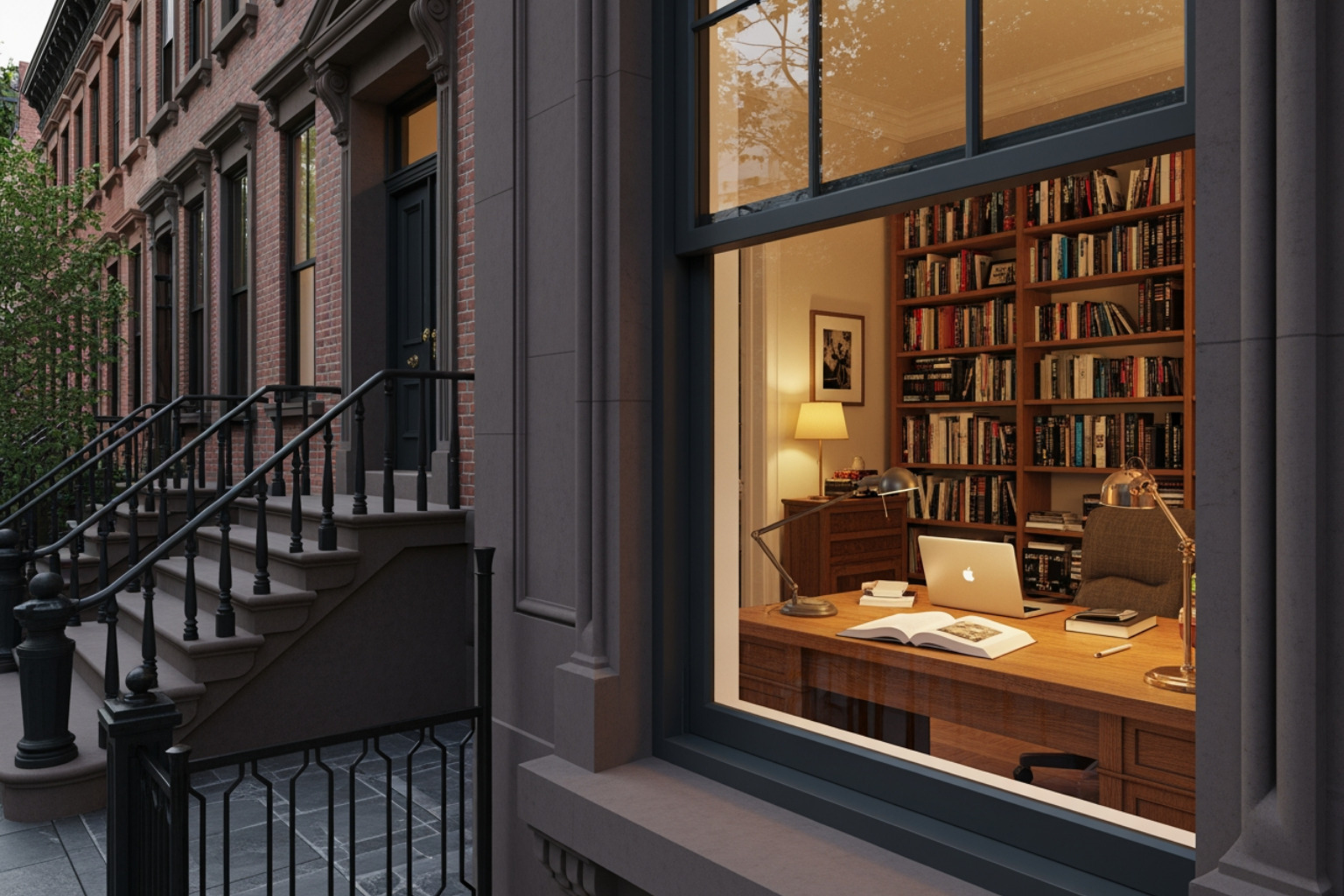
Finding suitable accommodation for a research trip or fellowship in New York City requires a specialised approach that prioritizes scholarly needs. This guide explores the diverse landscape of furnished academic housing, from quiet Brooklyn brownstones to apartments steps away from Columbia University. It covers essential rental models like home exchanges and house sitting, provides detailed neighborhood insights, and offers practical advice on pricing and legalities. By focusing on the unique requirements of the academic community, this resource ensures a productive and comfortable stay for scholars navigating the complex New York rental market.
Why Are Sabbatical Home Rentals in NYC Essential for Academics?
Sabbatical home rentals in NYC provide furnished, temporary housing specifically designed for scholars, researchers, and academics on fellowship or research trips. These rentals cater to the unique needs of the academic community—think quiet writing spaces, proximity to universities, and flexible arrangements that span weeks to months rather than days.
Quick Facts About Sabbatical Housing in NYC:
- 96-100% furnished – Nearly all academic rentals on SabbaticalHomes.com come fully equipped
- Typical costs – $900/week to $9,500/month depending on size and neighborhood
- Peak availability – Summer 2025 and Fall 2025 for academic calendar alignment
- Top neighborhoods – Upper West Side, Harlem, Brooklyn Heights, Park Slope
- University proximity – Many listings within walking distance of Columbia, NYU, and Princeton
- Rental models – Home rentals, home exchanges, and house sitting with flexible terms
Finding the right place in New York City for a research stint or sabbatical requires more than scrolling through generic rental sites. You need housing that understands the rhythm of academic life—spaces where you can spread out research materials, write in peace, and connect with a community that values trust and intellectual pursuits.
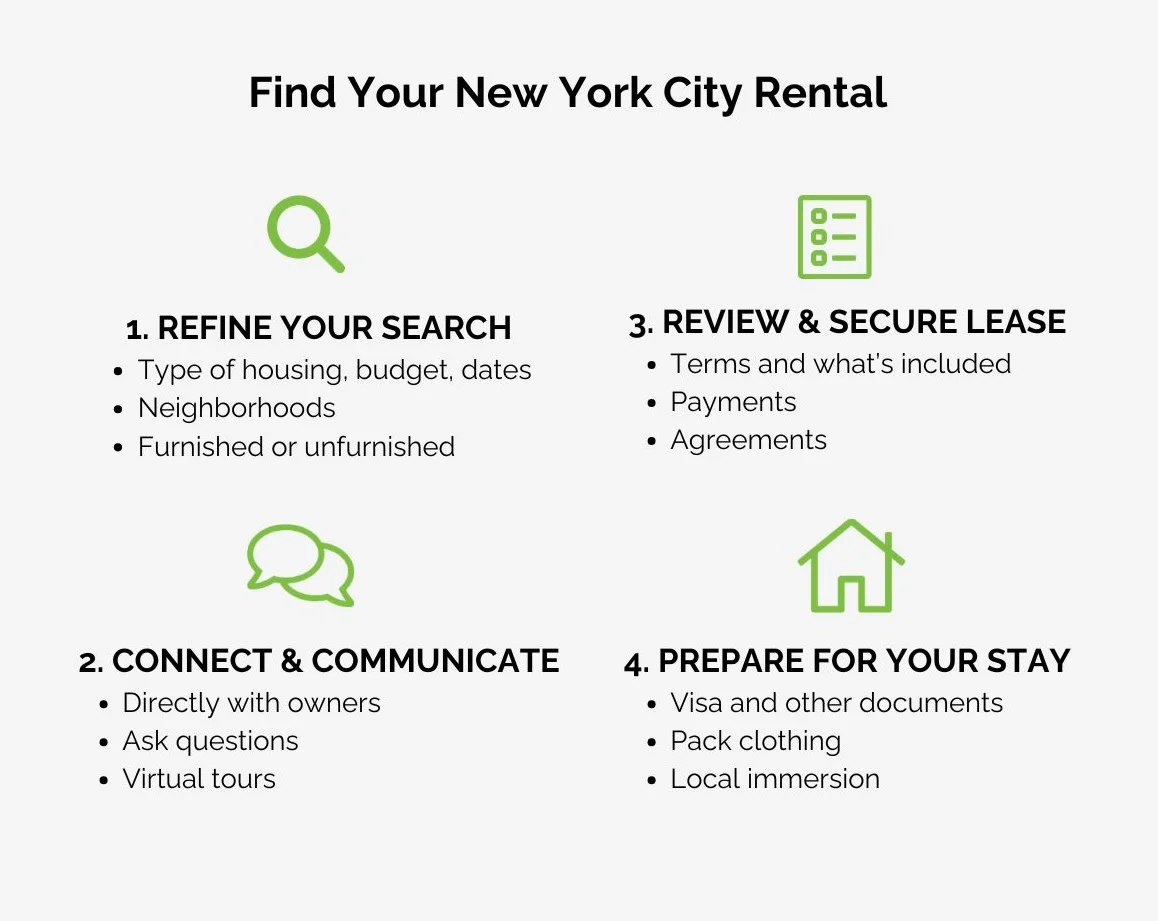
Navigating the Landscape of Sabbatical Home Rentals in NYC

When we talk about sabbatical home rentals in NYC, we are looking at a landscape that is quite different from the commercial real estate market. In a city where finding an apartment can often feel like a full-time job, the academic community has built a peer-to-peer network based on mutual respect and shared values. This network is essential because the standard New York rental market is often geared towards long-term residents or high-turnover tourism, neither of which perfectly suits the visiting professor or researcher.
At SabbaticalHomes.com, our mission has always been to facilitate these connections. We provide a platform for “Minds on the Move”—professors, researchers, and post-docs who need more than just a bed. They need a scholarly environment. Because our community is built on trust, hosts are often more comfortable renting to a fellow academic who will treat their library and home with the same care they would their own. This shared understanding of the value of a quiet workspace and a well-maintained collection of books creates a unique rental ecosystem.
Unlike traditional short-term rentals, our listings are almost exclusively furnished. In fact, research shows that 97% of apartments and condos and 99% of studios listed for rent in the New York area on our platform come fully furnished. This removes the logistical nightmare of moving furniture for a six-month fellowship or a year-long research project. For a scholar arriving from overseas, the ability to walk into a fully functioning home—complete with kitchenware, linens, and a stable internet connection—is invaluable.
Why SabbaticalHomes Rentals in NYC Offer More Than Standard Short-Term Stays
Generic short-term rentals are often designed for leisure travel, meaning they might be located in noisy, high-traffic areas and lack a proper workspace. In contrast, an academic rental is frequently the actual home of another scholar who is away on their own sabbatical. This creates a sense of continuity and intellectual community that is impossible to find in a hotel or a commercial serviced apartment.
This means you are likely to find:
- Dedicated Writing Spaces: Real desks, ergonomic chairs, and bookshelves that are actually used for work, not just decoration.
- Quiet Environments: Homes in residential pockets favored by faculty, away from the primary tourist corridors.
- Scholarly Amenities: Proximity to archives, specialized libraries, and campus facilities that are central to your research goals.
For those visiting the NYU Grossman School of Medicine, for example, finding a rental in the Kips Bay or Murray Hill area through an academic network ensures you are surrounded by peers rather than transient tourists. This proximity allows for spontaneous networking and a deeper immersion in the local academic culture, which is often the primary goal of a sabbatical or research fellowship.
Top Neighbourhoods and University Proximity for Scholars
Choosing the right neighborhood is the most critical decision for any academic relocating to New York. The city is a collection of villages, each with its own character and “commute logic.” Understanding the geography of the city’s intellectual hubs is the first step in a successful search for sabbatical home rentals in NYC.
- Upper West Side: A perennial favorite for academics. It offers a sophisticated, intellectual atmosphere with easy access to Riverside Park and Central Park. It is the heartland for those affiliated with Columbia University or the Lincoln Center campus of Fordham. The neighborhood is dotted with independent bookshops and quiet cafes that have served generations of writers.
- Harlem: Increasingly popular for its beautiful brownstones and proximity to City College and Columbia’s Manhattanville campus. It offers a vibrant cultural scene and more spacious housing options than the lower parts of Manhattan. The historic architecture provides a grand backdrop for a year of intensive research.
- Brooklyn Heights & Park Slope: Ideal for those who prefer a slightly slower pace without sacrificing a quick commute to Manhattan. These neighborhoods are famous for their “brownstone charm” and are home to many writers and researchers. The proximity to the Brooklyn Academy of Music and the Brooklyn Public Library makes these areas particularly attractive to those in the humanities.
- Bronxville: For those who might be visiting the Iona University Bronxville Campus, this area provides a more suburban feel while remaining just a short train ride from the city’s core. It is an excellent choice for scholars traveling with families who require more space and access to greenery.
Finding Sabbatical Home Rentals in NYC Near Columbia and NYU
If your research is based at Columbia University, you’ll likely want to focus your search on Morningside Heights. This neighborhood is almost entirely built around the university, meaning most of your neighbors will be fellow “Minds on the Move.” The area is self-contained, with all the necessary amenities—from grocery stores to copy shops—geared towards the academic calendar.
For those at NYU, the search usually centers on Greenwich Village, Washington Square, or the East Village. While these areas are notoriously expensive, the academic network often reveals “hidden gems” or sublets from faculty members who are heading abroad. If you are looking for options near the SUNY Empire State College New York City Campus in Manhattan, you might expand your search to Chelsea or the Flatiron District to stay within walking distance. These areas offer a more central location, perfect for those who need to visit multiple archives or institutions across the city.
Furthermore, the Upper East Side should not be overlooked, especially for those affiliated with Rockefeller University, Cornell Tech, or the various medical research centers along York Avenue. This area is traditionally quieter and offers a more formal residential feel, which many scholars find conducive to deep concentration and writing.
Understanding Rental Models: Exchanges, Sublets, and House Sitting
Navigating sabbatical home rentals in NYC involves understanding the different ways you can secure a roof over your head. It’s not always a straightforward landlord-tenant relationship; instead, it is often a collaborative arrangement between two members of the same professional community.
| Model | Best For | Key Benefit |
|---|---|---|
| Home Rental | Fixed-term stays | Simple, direct payment for a furnished space. |
| Home Exchange | Academics with their own homes | Zero “rent” cost; you swap homes with another scholar. |
| House Sitting | Budget-conscious scholars | Reduced rent in exchange for pet or garden care. |
| Sublet | Temporary gaps | Taking over a lease from a tenant who is away. |
A home exchange is a fantastic way to save money and experience a new city from a truly local perspective. For instance, if you live in London and are coming to New York, you might find a New Yorker looking to spend their sabbatical in the UK. We have seen successful swaps across the state, including home exchanges in Albany and even Corning. This model relies heavily on the mutual trust that SabbaticalHomes.com has fostered for over two decades.
Related: NYC Short-Term Rental Regulations
The Role of House Sitting in the Academic Community
Within the SabbaticalHomes community, rentals with house sitting duties are the most prevalent model and a cornerstone of the community since 2000. This isn’t just about “free rent”; it’s a trust-based arrangement where the visitor helps maintain the home. This might involve watering a prized garden, collecting mail, or, most commonly, pet care. For many hosts in New York, their pets are family. Finding a trustworthy scholar who will care for their cat or dog while they are at a conference or on research leave is invaluable.
In return, the visiting academic often receives a significantly reduced rental rate, making a stay in an otherwise unaffordable neighborhood possible. It is a model of mutual benefit that has flourished because it addresses the practical needs of both parties. The host gains peace of mind knowing their home and pets are in capable hands, while the guest gains an affordable, high-quality living space. You can explore more about house sitting opportunities on our dedicated page, where we detail how to set up these arrangements successfully.
This cornerstone model has allowed thousands of scholars to pursue their research in New York without the crushing financial burden of the standard rental market. It reinforces the idea that the academic community is a global village where members support each other’s intellectual pursuits through practical cooperation.
Essential Amenities and Pricing for Academic Stays
What makes a house a “sabbatical home”? In NYC, it’s all about the amenities that facilitate deep work and minimize the stresses of daily life. Because 96% of houses and nearly 100% of studios in our NYC listings are furnished, you can expect the basics. However, look for “academic-plus” features: high-speed internet is a non-negotiable, and a dedicated office space is highly prized. A home with a view of a quiet courtyard or a park can make a significant difference during long hours of writing.
In the New York metro area, you might even find options just across the Hudson. For example, Edgewater rentals offer stunning skyline views and more space for your money, often with a quick ferry or bus ride into Manhattan. These options are particularly popular for researchers who need a bit more physical distance from the bustle of the city to focus on their manuscripts.
Typical Costs for Furnished Sabbatical Housing
New York is famously expensive, but the academic market tends to be more stable and reasonable than the “luxury” short-term market. Because these rentals are often peer-to-peer, the pricing reflects a desire to cover costs rather than maximize profit.
- Studios/1-Bedrooms: Expect to pay between $2,200 and $4,500 per month in Manhattan. Prices vary based on the proximity to major subway hubs and the age of the building.
- Family-Sized Apartments (2-3 Beds): These can range from $4,500 to $9,500 per month, particularly in prime areas like the Upper West Side or Park Slope. These often come with the added benefit of being near high-quality schools and parks.
- Budget Options: Looking further afield, such as rentals in Buffalo or other parts of the state, can see prices drop significantly. While not practical for a daily commute to Manhattan, these locations are perfect for writing retreats where the primary requirement is peace and affordability.
Most of our listings include utilities (WiFi, electricity, water) in the monthly rate, which simplifies budgeting for a temporary relocation. This all-inclusive approach is a hallmark of SabbaticalHomes, ensuring that scholars can focus on their work from the moment they arrive without the administrative burden of setting up local utility accounts.
Practical Tips for Booking Your New York Sabbatical
Booking sabbatical home rentals in NYC requires a bit of foresight and a clear understanding of the local market dynamics. Here is our expert advice for a smooth process:
- Start Early: For a Fall start, begin looking early in the calendar year. Many faculty members list their homes as soon as their own sabbatical is approved. The best properties—those with the perfect balance of price, location, and amenities—are often snapped up months in advance.
- Verify Legalities: In NYC, “subletting” has a specific legal meaning. Ensure the person you are renting from has the right to do so under their lease or co-op board rules. On SabbaticalHomes, we encourage direct communication to clarify these details early in the conversation. Transparency is key to a successful arrangement.
- Use Search Filters: Filter by university proximity. If you are working at Cornell University Medical College or Weill Cornell Medical College, look for Upper East Side or Roosevelt Island listings. This will save you hours of commuting time every week.
- Write a Strong Profile: Hosts aren’t just looking for money; they are looking for a tenant they can trust. Mention your university affiliation, the purpose of your research trip, and any experience you have with house sitting or pet care. A professional and personable profile goes a long way in the academic community.
- Check the Commute: Don’t just look at distance; look at subway lines. A home in Trumansburg is lovely but not for a daily commute to Manhattan! However, a rental in the Bronx might be perfect for those at the Iona University Bronxville Campus. Use local transit apps to estimate your travel time during peak hours.
Additionally, consider the “vibe” of the neighborhood. If you need absolute silence, a bustling street in the East Village might not be the best choice, even if it is close to your host institution. Conversely, if you thrive on the energy of the city, a quiet street in Brooklyn Heights might feel too isolated. Researching the local area through street-view tools and academic forums can provide valuable insights before you commit to a rental.
Frequently Asked Questions about Sabbatical Housing
When are most sabbatical homes available in NYC?
Availability generally follows the academic calendar. You will find the most options for Summer (June–August) and the Academic Year (September–May). January starts are also common for those on one-semester fellowships. It is wise to align your search with these cycles to maximize your choices.
Are sabbatical rentals in NYC typically furnished?
Yes. Our data shows that around 96% of academic listings in the NYC area are furnished. This is a key differentiator from the standard NYC rental market, where “unfurnished” is the norm and tenants are expected to provide everything from light fixtures to refrigerators. SabbaticalHomes.com specializes in these move-in-ready options.
How do I ensure a legal sublet arrangement in New York?
In New York, a legal sublet usually requires the landlord’s consent. When using SabbaticalHomes, we recommend asking the host directly about their building’s rules. Because our community consists of professionals and scholars, these conversations are usually transparent and straightforward. It is always better to have these details confirmed in writing.
Can I find housing for a full year or just a semester?
Both options are common. Many hosts are professors going on their own year-long sabbaticals, while others may only be away for a single term or a summer research project. The flexibility of the SabbaticalHomes platform allows you to filter by your specific dates to find the perfect match for your fellowship duration.
Is it possible to find pet-friendly sabbatical rentals?
Absolutely. Many academic hosts are pet owners themselves. In fact, the house sitting model often involves caring for the host’s pets, but many hosts are also open to guests bringing their own well-behaved companions. Always discuss this with the host early in the process to ensure a good fit for everyone involved.
Conclusion
New York City is one of the most intellectually stimulating places on earth, but its housing market can be daunting. By focusing on sabbatical home rentals in NYC within a dedicated academic community, you bypass the stress of commercial rentals and step into a home that supports your work. The unique peer-to-peer nature of SabbaticalHomes ensures that you are not just a tenant, but a member of a global scholarly network.
Whether you are seeking a quiet corner near Medgar Evers College in Brooklyn or a high-rise near LaGuardia Community College, our platform is built on the values of privacy, respect, diversity, and trust. We are here to help “Minds on the Move” find their perfect New York outpost, allowing them to focus on the research and writing that moves their fields forward.
Ready to start your search? Find your next academic home and join our community of scholars today.
Let us know what you think! Connect with us on X, LinkedIn, Facebook, Instagram, YouTube and Pinterest.