

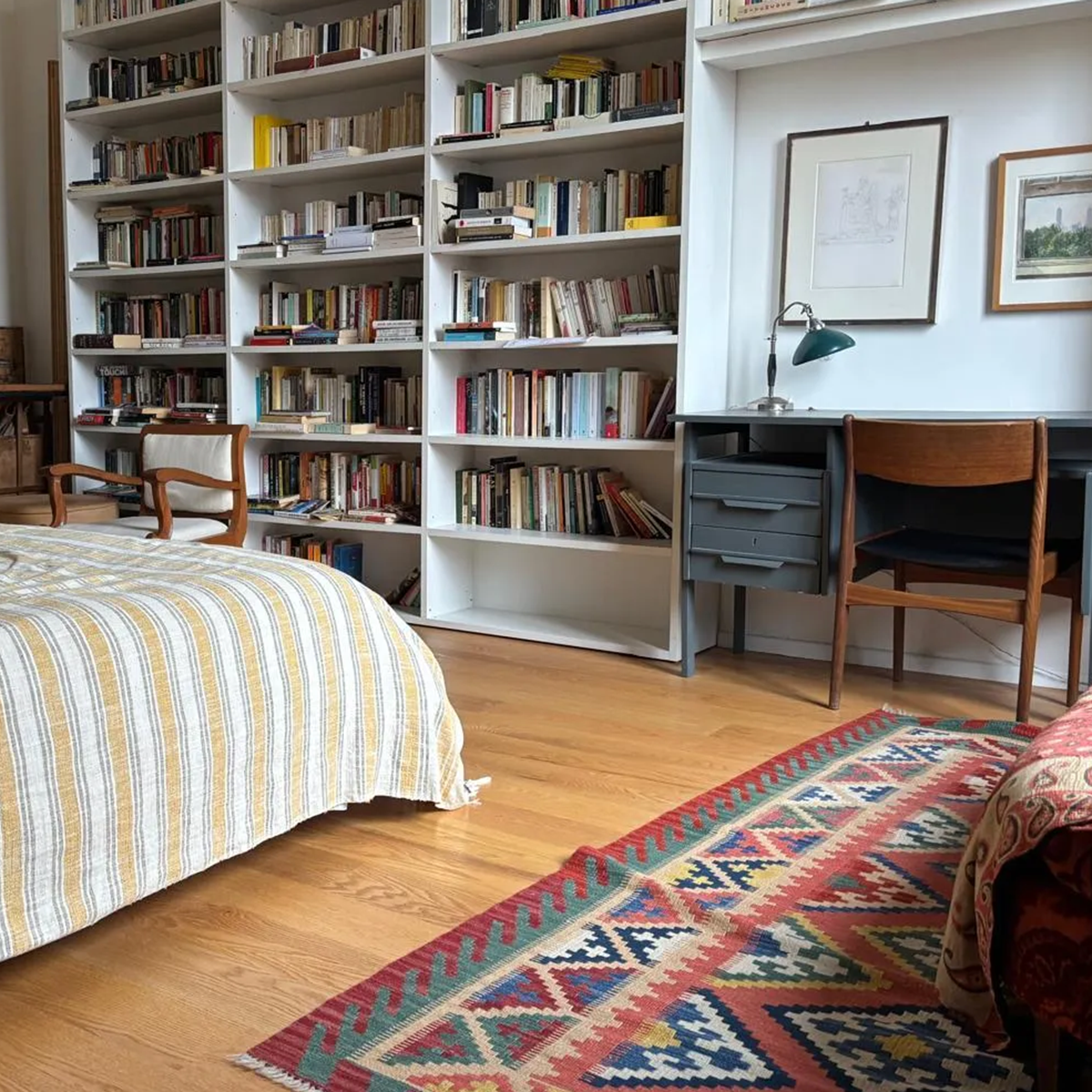
The Real Challenge of Finding Post-Doc Researcher Apartments for 6-12 Months
Securing suitable accommodation for a fixed-term research placement demands a strategic approach, balancing academic proximity with the comforts of a functional home. This guide explores effective strategies for finding furnished, pet-friendly housing tailored to the typical 6-12 month fellowship cycle. By prioritizing academic-centric platforms like SabbaticalHomes.com and understanding local rental nuances, researchers can ensure a seamless transition to their new scholarly environment. We examine financial logistics, pet policies, and the benefits of trust-based communities to help scholars establish a productive home base for their intellectual pursuits.
Post-doc researcher apartments for 6-12 months are a genuinely tricky housing category — too long for a hotel, too short for a standard lease, and too specific for most rental platforms to serve well. The traditional property market is geared towards long-term stability or short-term tourism, leaving the mid-term academic visitor in a difficult position. This often results in researchers paying a premium for flexibility or sacrificing the quality of their living environment to stay within budget.
| Option | Best For |
|---|---|
| Academic home rental platforms (e.g., SabbaticalHomes.com) | Furnished, flexible, community-vetted stays |
| University-managed housing | On-campus convenience, no credit check |
| University guesthouses | International researchers, families |
| Private furnished rentals | Pet-friendly, flexible terms |
| Academic-specific listings | Proximity to campus, researcher references |
Most postdoctoral fellowships — from NEH grants to institutional residencies — run on a 6–12 month cycle. That means thousands of researchers each year face the same problem: finding a furnished, functional home in an unfamiliar city, often with a pet in tow, on a stipend that doesn’t stretch far. The logistical burden of moving for such a specific duration can be overwhelming, especially when trying to coordinate from another country or time zone.
The standard rental market isn’t built for this. Month-to-month leases cost 10–20% more. Hotels with pet fees can reach USD $100 per night. And unfurnished flats mean shipping furniture across continents, which is neither cost-effective nor environmentally sustainable. Furnished academic rentals — particularly those within trust-based communities designed for researchers — solve most of these problems at once by offering move-in ready spaces that understand the academic calendar.
Related:
- How to Find the Perfect Academic Rental Home
- Campus Close-Up: Finding Homes Near Your University
- Housing Hacks for PhD Students – Live Smart, Study Hard
Academic mobility is the lifeblood of modern research, yet the logistics of relocation can be a significant source of housing stress. Whether you have secured an NEH Fellowship with a $5,000 monthly stipend or a residential position at the Stanford Humanities Center, the timeline is almost always the same: 6 to 12 months. This “mid-term” duration is the “Goldilocks zone” of difficulty in the traditional rental market. It is too long for the high-cost convenience of serviced apartments and too short for the standard twelve-month assured shorthold tenancy common in many urban centers.
For many of us, a research trip isn’t just about the lab or the archive; it is about maintaining a scholarly routine that allows for deep focus and productivity. We need more than a bed; we need a workspace, a kitchen, and often, a place that welcomes our four-legged companions. Relocation logistics shouldn’t overshadow your fellowship goals or drain your mental energy before you even begin your project. By understanding the landscape of post-doc researcher apartments for 6-12 months, you can move from “finding a place to sleep” to “establishing a home for your mind.” This transition is essential for those who are expected to produce high-level output within a limited timeframe, where every week spent on administrative hurdles is a week lost to research.
Why Furnished Post-Doc Researcher Apartments for 6-12 Months are the Gold Standard
When embarking on a fixed-term contract, the advantages of furnished, transitional housing are undeniable. Many institutions, such as Stanford, have recognized this by launching pilot programmes to help incoming scholars land safely. These programs acknowledge that the first few weeks of a fellowship are critical, and having a stable, pre-furnished home can significantly impact the success of the research project.
The primary benefit is cost-effectiveness. Research suggests that furnished apartments often cost 30-50% less than extended hotel stays when you factor in meal costs, parking, and laundry. Furthermore, move-in readiness is essential for academic productivity. Arriving at a flat where the Wi-Fi is already active and the kitchen is stocked with utensils allows you to dive into your research on day one, rather than spending your first week at a Swedish furniture warehouse or waiting for utility connections. This immediate immersion is particularly valuable for those on intensive 6-month grants where the pressure to publish is high.
Reduced relocation overheads are particularly vital for those on fixed-term fellowships. Shipping furniture for a 9-month stint is rarely logical and often costs more than the value of the items themselves. A furnished apartment provides a seamless bridge, allowing you to focus entirely on your scholarly output without the burden of heavy logistics. It also simplifies the move-out process, enabling a quick departure once the fellowship concludes, which is often necessary when transitioning to the next academic post.

Key Considerations for Selecting Your Research Base
Your choice of neighborhood can make or break your research year. For a post-doc, proximity to libraries and laboratory access are usually the top priorities. However, the qualitative aspects of a location matter just as much for long-term mental health. A neighborhood that offers a sense of community and safety can provide the necessary support system for a researcher who may be far from their usual social network.
Quiet environments are essential for deep work, but so is neighborhood safety and walkability. We recommend looking for areas with Walk Scores above 70. This ensures that mental breaks—like a quick walk to a coffee shop or a park—don’t require a 20-minute drive. Public transport links are equally crucial; for instance, the UCLA Housing option boast high transit scores, making a car-free lifestyle feasible. This not only saves money on car rentals and insurance but also reduces the daily stress of commuting in unfamiliar traffic patterns.
Don’t overlook the community atmosphere. Living in a neighborhood popular with other academics can lead to spontaneous collaborations and a shared understanding of the “publish or perish” lifestyle. These areas often have local amenities tailored to the scholarly community, such as late-night bookshops, quiet cafes, and lecture series that can enrich your experience beyond the laboratory walls.
Essential Features of Post-Doc Researcher Apartments for 6-12 Months
A bed and a chair are not enough for a professional academic. A true research base requires specific infrastructure to support high-level intellectual work:
- Dedicated Workspace: An ergonomic desk and chair are non-negotiable for 10-hour writing sessions. A kitchen table is rarely a suitable substitute for long-term work.
- High-Speed Wi-Fi: Essential for data uploads, virtual conferences, and accessing digital archives. Ensure the connection is stable and has sufficient bandwidth for video calls.
- All-Inclusive Utilities: Seeking home rentals where gas, water, and electricity are bundled into the rent simplifies budgeting and avoids the hassle of setting up accounts with local providers.
- Natural Lighting: Proven to boost mood and focus during long hours of study. Large windows can make a significant difference during winter months.
- Laundry Facilities: Ideally in-unit or within the building to save time and ensure a smooth daily routine.
- Secure Bike Storage: Especially in “Biker’s Paradise” cities like Cambridge or Oxford, where cycling is the primary mode of transport for the academic community.
Navigating Pet Policies and Researcher Requirements
For many of us, our pets are our primary support system during the isolation of a post-doc. However, navigating pet policies requires finesse and proactive communication. Breed restrictions and weight limits (often set at 25-50 pounds) affect roughly 30% of rental properties, making the search even more challenging for those with larger companions. It is important to start this part of the search early to identify truly pet-friendly hosts.
To improve your chances, we suggest creating a “pet resume.” Include a photo, vaccination records, and—crucially—references from previous landlords who can vouch for the animal’s behavior. Mentioning your academic credentials can also help; homeowners are often more comfortable renting to a “Dr. with a well-behaved Golden Retriever” than a generic applicant. This personal touch helps build trust and demonstrates that you are a responsible tenant who will care for the property.
Be prepared for financial requirements that come with pet ownership in a rental. Pet deposits typically range from USD $300 to $1,000, and monthly “pet rent” can add USD $25 to $75. Always check the local regulations in your host country, as these protections vary significantly between the UK, Europe, and North America.
Related: Paws and Stay: Pet-Friendly Short Term Furnished Apartments
Financial Logistics and Budgeting for Academic Stays
Budgeting for post-doc researcher apartments for 6-12 months requires a clear-eyed look at your stipend allocation. If you are receiving a USD $5,000 monthly stipend from an NEH grant, spending USD $2,000 on rent is a significant but manageable portion. However, you must also account for the hidden costs of relocation, such as travel insurance, visa fees, and the initial deposit. A well-planned budget is the foundation of a stress-free research year.
To maximize your budget:
- Look for Utility Bundling: This prevents unexpected spikes in heating or cooling costs, which can be substantial in older academic cities with poorly insulated housing.
- Consider House-Sitting: Within the SabbaticalHomes.com community, rentals with house sitting duties are the most prevalent model and a cornerstone of the community since 2000. Taking on light duties (like watering plants or collecting mail) can often lead to more favourable rental terms and a deeper connection with the local community.
- Factor in One-Time Fees: Don’t forget cleaning fees (typically $200-$400) and renter’s insurance, which is often required and provides peace of mind for both you and the homeowner.
- Currency and Tax: For international moves, use specialized services that offer better exchange rates than traditional banks. Consult a tax professional regarding the deductibility of relocation expenses, as many countries allow researchers to offset these costs against their taxable income.
Understanding the financial landscape of your host city is also vital. For example, the cost of living in London or San Francisco will require a much more stringent budget than a fellowship in a smaller university town. Always research the local cost of groceries, transport, and healthcare to ensure your stipend is sufficient for a comfortable lifestyle.
Proven Strategies for a Successful Housing Search
The most successful searches begin 2-3 months before the move-in date. Academic networking is your strongest tool—ask your host department if they have internal listservs or recommended “post-doc houses.” Often, the best opportunities are never advertised on the open market and are passed down through word-of-mouth within the faculty. Engaging with your future colleagues early can provide valuable leads and insights into the local housing market.
When vetting listings, look for independent homeowners rather than large management companies. Private owners, especially fellow academics, are often more flexible with lease terms and more understanding of the specific needs of a researcher. They are more likely to agree to a 9-month lease that aligns with the academic term. Always request a virtual tour or a detailed video walkthrough to verify the condition of the space before signing any agreements, especially if you are booking from abroad.
Strategic Search: Finding Post-Doc Researcher Apartments for 6-12 Months
Platforms like SabbaticalHomes are designed specifically for this niche. Unlike generic sites, our community is built on trust and a shared academic background. You can find tenant listings where you can post your own profile, allowing potential hosts to find you. This proactive approach is often more effective than simply responding to existing adverts, as it allows you to highlight your specific needs and scholarly background.
When applying, personalize your message. Explain your research project and why you chose their specific neighborhood. If you are open to home exchanges, mention what your own home offers. This level of transparency builds the “academic community trust” that makes these arrangements work so well. Homeowners are often looking for someone who will respect their home and their library, and a fellow researcher is the ideal candidate.
Pre-Move Preparations and Ensuring Deposit Returns
To ensure you get your pet deposit or security deposit back, documentation is your best friend. Upon arrival, conduct a thorough camera walkthrough, noting any existing scratches or wear. This digital record is essential for resolving any disputes that may arise at the end of your stay. It is also helpful to share these photos with the host immediately so that both parties are in agreement regarding the property’s initial condition.
Establish a scholarly routine early, but also establish a cleaning routine. If you have a pet, investing in a professional deep clean before you move out (costing roughly USD $200-$400) is a small price to pay to ensure the full return of a USD $1,000 deposit. This professional touch is often appreciated by hosts and can lead to a glowing reference for your next placement. Some university guesthouses have very specific move-out rules tied to weekdays—mark these in your calendar immediately to avoid last-minute stress.
Finally, ensure that all utility bills are settled and that you have proof of payment. If you have been house-sitting, leave a detailed note for the returning owner regarding any maintenance issues or mail that arrived during their absence. These small gestures of professionalism reinforce the trust-based nature of the academic community and ensure that you remain a welcome member of the SabbaticalHomes network.
Frequently Asked Questions about Post-Doc Housing
Can I negotiate pet fees or lease restrictions with a private homeowner?
Yes, absolutely. This is the beauty of working with independent homeowners through SabbaticalHomes.com. You can offer a slightly higher security deposit (perhaps an extra USD $200-$500) to mitigate their risk. Providing a “pet resume” with references from previous landlords often proves that your pet is not a liability. Many academic hosts are pet owners themselves and are more sympathetic to your situation than a corporate landlord would be.
How can I ensure I receive my full security deposit back at the end of my stay?
The key is proactive communication and documentation. Take photos of everything upon move-in and move-out. Address any minor repairs or pet accidents immediately during your stay rather than leaving them for the end. Finally, conduct a final walkthrough with the host to agree on the condition of the property before you hand over the keys. This face-to-face meeting can resolve minor issues instantly and ensure a positive conclusion to your stay.
Is it better to choose university housing or a private rental?
University housing offers convenience and a built-in community of scholars, but it can sometimes be more expensive and less flexible regarding pets. Private rentals through SabbaticalHomes often provide a more authentic local experience and greater flexibility with lease terms. The choice depends on your personal priorities: if you value proximity to the lab above all else, university housing is excellent. If you prefer a quiet, residential neighborhood with more space, a private rental is often the better choice.
Conclusion
Finding the right post-doc researcher apartments for 6-12 months doesn’t have to be a source of anxiety. By focusing on academic-friendly neighborhoods, seeking out furnished spaces with dedicated offices, and leveraging trust-based communities, you can find a home that supports both your personal well-being and your professional ambitions. The right environment is a catalyst for scholarly success, providing the stability needed to tackle complex research questions.
Since 2000, SabbaticalHomes has been a trusted resource for academics and scholars seeking affordable, short-term furnished housing options, leveraging expertise to address the unique challenges of finding reliable accommodation. We are proud to support “minds on the move” as they pursue their research across the globe, fostering a community where scholars can find not just a house, but a home that respects their intellectual journey.
Ready to find your next home? Find your next research home on SabbaticalHomes today.
Let us know what you think! Connect with us on X, LinkedIn, Facebook, Instagram, YouTube and Pinterest.