

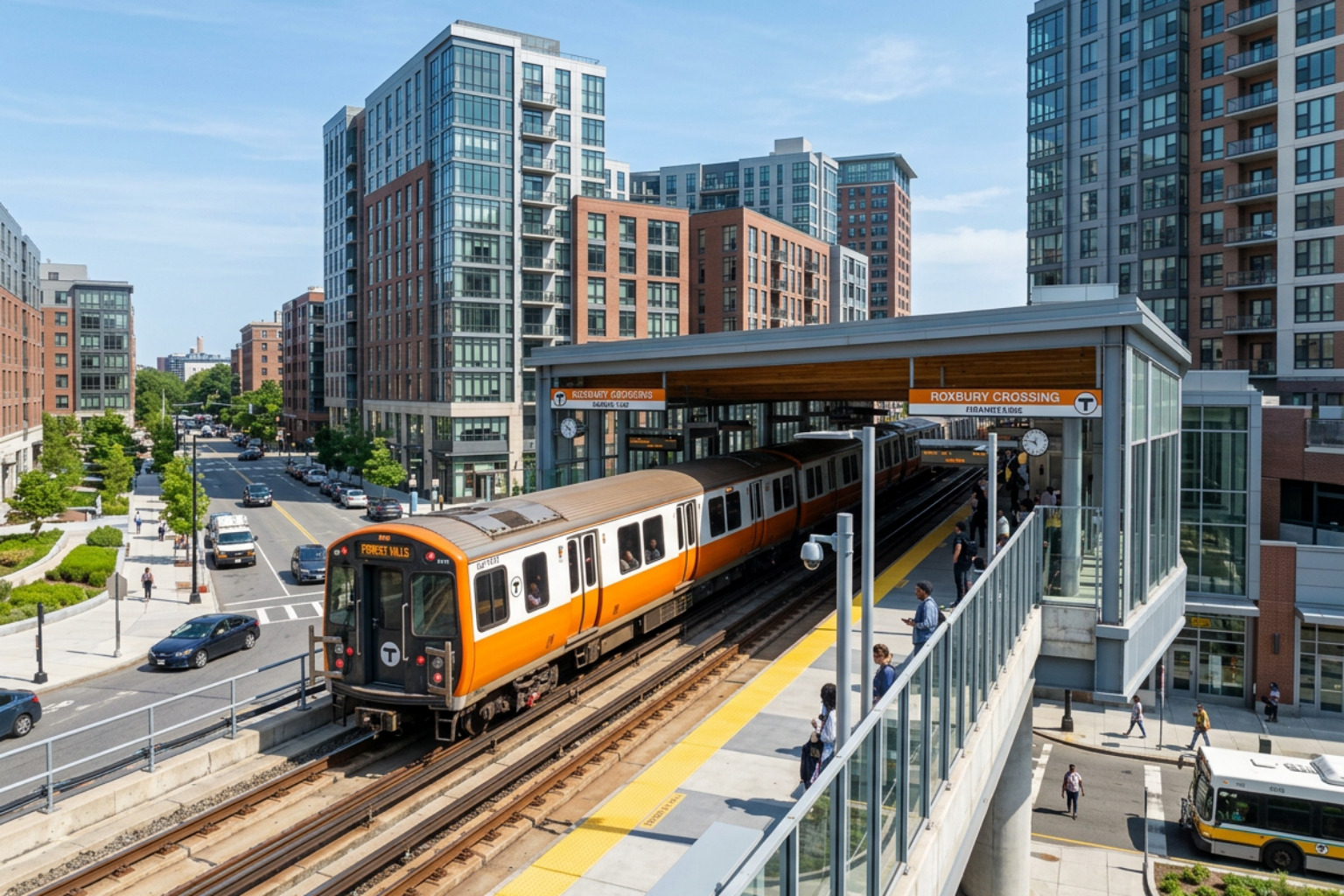
This comprehensive guide provides academic professionals with essential insights into securing Boston apartments near the “T”. We explore the nuances of the MBTA’s five primary lines, identify strategic neighborhoods for researchers and faculty, and offer practical advice on navigating the competitive rental market. From understanding the unique September leasing cycle to finding pet-friendly transit-oriented developments, this resource ensures scholars can establish a productive home base within Boston’s vibrant intellectual landscape while prioritizing proximity to world-class institutions.
How Can Academic Professionals Find the Best Boston Apartments near the “T”?
Finding suitable accommodation in Boston requires a deep understanding of the city’s transit-oriented landscape and competitive rental market. This guide explores the strategic advantages of living near the MBTA for researchers, faculty, and post-doctoral fellows. By prioritizing proximity to the “T”, scholars can ensure a seamless transition into one of the world’s most vibrant intellectual hubs. The city of Boston is not merely a collection of neighborhoods; it is a dense network of innovation where the physical distance between a researcher’s desk and a world-class laboratory can define the success of a sabbatical year.
Is finding a home near public transit your top priority for your next research trip? If you are relocating to Boston for a sabbatical or fellowship, understanding the local transport network is the first step to a successful stay. For the academic community, the ability to move efficiently between libraries, laboratories, and lecture halls is paramount. Boston, a city renowned for its intellectual heritage, offers a unique urban layout where the Massachusetts Bay Transportation Authority (MBTA) serves as the primary artery for scholars. The “T” is the oldest subway system in the United States, and its history is intertwined with the growth of the city’s most prestigious universities.
Boston apartments near the “T” are in high demand — and for good reason. The Boston rental market moves with a speed that can be daunting for those unfamiliar with the local rhythm. This scarcity is particularly acute in neighborhoods surrounding major research institutions, where the competition for high-quality, transit-accessible housing is fierce. For a visiting professor, the difference between a 15-minute train ride and a 60-minute drive in Boston’s notorious traffic is immeasurable in terms of productivity and mental well-being.
Here is a quick overview of what to know before you start your search:
The MBTA — known locally as the “T” — runs five lines across Boston, each serving as a gateway to different facets of the city’s academic and cultural life. For the “Minds on the Move” who call this city home, the “T” is more than just a convenience; it is a vital tool for professional success and personal well-being. The system operates from early morning until after midnight, providing a reliable link for those whose research hours often extend beyond the traditional nine-to-five.
- Red Line — serves Cambridge, MIT, Harvard, and South Boston
- Orange Line — connects Jamaica Plain, Roxbury, and Downtown
- Green Line — runs through Fenway, Back Bay, and Longwood Medical Area
- Blue Line — links East Boston, Airport, and Downtown
- Silver Line — connects South Boston, the Seaport, and Logan Airport
For researchers, visiting faculty, and post-doctoral fellows, living close to a T stop means shorter commutes, no car costs, and more time focused on your work. The ability to step out of your front door and be at a world-class archive or laboratory within minutes is a luxury that significantly enhances the sabbatical experience. Furthermore, the environmental benefits of using public transport align with the values of many in the academic community who seek to reduce their carbon footprint while living in a dense urban environment.
The September leasing cycle — driven largely by the academic calendar — creates a sharp spike in demand each summer. Starting your search early is not optional; it is essential for securing a space that meets your specific needs for quiet, comfort, and connectivity. Many scholars find that the most desirable properties are often secured six months in advance, particularly those that offer the specific amenities required for deep intellectual work.
Related:
- Quick Stays for Scholars Near Boston’s Top Universities
- The Best Boston Rentals for Productive Post-Docs
- Where Do Harvard and MIT Visiting Researchers Typically Live? A Guide to Boston’s Best Neighborhoods
Navigating the MBTA: A Scholar’s Guide to Boston Apartments near the “T”
For the academic community, the “T” is more than just a train; it is the circulatory system of the city’s intellectual life. Each line serves a distinct purpose and connects to different research hubs, creating a network that supports the “Minds on the Move” who frequent this historic city. When searching for Boston apartments near the “T”, we recommend starting your search based on the line that directly serves your host institution, as this will dictate your daily rhythm and access to resources. Understanding the nuances of each line—such as which branches are faster or which stations are prone to delays—can significantly improve your daily experience.
- The Red Line: This line is essential for those visiting MIT, Harvard, or Massachusetts General Hospital. It runs from the northern reaches of Cambridge through the heart of Downtown and out to the residential pockets of Dorchester. Areas like Kendall Square and Harvard Square are prime locations for those who favor a scholarly atmosphere, though they come with a premium price tag due to their unparalleled proximity to global centers of excellence. The Red Line is also known for its high-frequency service, making it one of the most reliable options for those with strict laboratory schedules.
- The Green Line: This is a complex system with four branches (B, C, D, and E), each weaving through different historic and academic districts. It is the primary route for reaching Boston University, Boston College, and the Longwood Medical Area. If your work involves the Museum of Fine Arts or the Boston Public Library, the Green Line will be your primary link. Its vintage charm and winding routes offer a quintessential Boston experience, though it requires a bit more patience during peak hours. The D branch is often favored for its speed, as it operates on a dedicated right-of-way, while the E branch provides direct access to the heart of the medical research community.
- The Orange Line: This line is a lifeline for those working near Tufts Medical Centre or Bunker Hill. It connects the historic North End through the bustling Downtown Crossing to the vibrant, diverse neighborhoods of Jamaica Plain and Roxbury. It offers a more industrial, urban feel and provides access to some of the city’s most innovative research spaces and community-focused organizations. Recent investments in the Orange Line have introduced new train cars, improving the comfort and reliability of the commute for thousands of professionals.
- The Blue Line: Ideal for those who need quick access to Logan International Airport or the New England Aquarium. It serves East Boston and Revere, offering some of the most stunning waterfront views in the city. For international scholars, the Blue Line provides a seamless connection between their global travels and their local research base. It is also the only line that connects directly to the beach, providing a much-needed escape for researchers during the humid summer months.
- The Silver Line: A Bus Rapid Transit (BRT) system that functions like a subway line, connecting South Station to the Seaport District and Chelsea. It is particularly useful for those attending conferences at the Boston Convention and Exhibition Centre or those engaged in the burgeoning biotech scene in the Seaport. The Silver Line offers a modern, clean, and efficient way to navigate the city’s newest innovation district.
Finding Pet-Friendly Boston Apartments near the “T”
We understand that for many of our members, a sabbatical is not complete without their animal companions. Fortunately, many modern Boston apartments near the “T” have embraced pet-friendly policies, recognising that pets are an integral part of the academic household. Some premium developments even offer specific programmes, such as the “WAG The Pet Program,” which includes amenities like on-site pet spas and dedicated dog runs, ensuring your pet is as comfortable as you are during your stay. This focus on pet wellness is a reflection of the city’s broader culture, which values the companionship and stress-relief that animals provide to busy professionals.
However, be prepared for specific regulations that may differ from your home country. Many buildings have a two-pet maximum and may have breed restrictions for certain types of dogs. You should also budget for “pet rent.” This is a standard practice in the Boston market and should be factored into your overall housing budget. Additionally, some landlords may require a pet interview or references from previous landlords to ensure your companion is well-behaved in a multi-unit environment.
Pet-Friendly Transit Hubs:
- North Station (Orange/Green Lines): Features high-rise options with pet spas and easy access to the harbor walk, providing a perfect balance of urban living and outdoor space.
- Maverick Square (Blue Line): Offers waterfront parks perfect for morning walks and a growing number of pet-friendly cafes where you can enjoy a coffee with your dog before heading to the lab.
- Allston/Brighton (Green Line): Known for its numerous parks, dog-friendly atmosphere, and proximity to the Charles River, which offers miles of scenic paths for running and walking.
- Jamaica Plain (Orange Line): Home to the Arnold Arboretum, a 281-acre paradise for pets and their owners, offering a quiet retreat from the city’s academic rigor and a chance to connect with nature.
Strategic Neighborhoods for Research and Residencies
Choosing the right neighborhood is about balancing commute times with the atmosphere you need for deep work and intellectual reflection. In a city as compact as Boston, the character of a street can change within a few hundred meters, making it essential to choose a location that aligns with your personal and professional preferences. For many scholars, the ideal neighbourhood is one that offers a quiet sanctuary for writing while remaining within walking distance of a vibrant high street filled with independent bookshops and cafes.
Cambridge remains the gold standard for many, offering unparalleled proximity to MIT and Harvard. The atmosphere is undeniably academic, filled with independent bookstores, historic lecture halls, and quiet cafes where the next great theory might be written. If you prefer a more historic, upscale feel, Back Bay and the South End offer beautiful brownstones and a high “Walk Score” (often 99/100), meaning most errands can be completed on foot, allowing you to fully immerse yourself in the local culture. These areas are also home to some of the city’s most prestigious private libraries and research collections, making them ideal for humanities scholars.
For those in the medical sciences, the Longwood Medical Area and Fenway are strategic choices. This proximity is invaluable for those whose work requires long hours in the lab or frequent clinical rotations. The Fenway area has undergone a massive transformation in recent years, evolving from a sports-centric district into a hub of innovation and high-end residential living, complete with gourmet food halls and modern fitness studios.
Affordable Boston Apartments near the “T” in Emerging Hubs
If your research budget requires a more modest spend, we suggest looking at emerging hubs that still offer excellent transit links. East Boston, particularly near Maverick Square and Airport Station, has seen a surge in transit-oriented development. With apartments recently listed near Airport Station, it is a fruitful area for those who don’t mind a 10-minute Blue Line ride into the city centre. The area offers a unique blend of historic charm and modern convenience, often at a more accessible price point. The waterfront views of the Boston skyline from East Boston are arguably the best in the city, providing a stunning backdrop for evening reflection.
Roxbury and Dorchester are also becoming popular choices for the “Minds on the Move” community. The area around Andrew Station on the Red Line offers thousands of rental options, often at a lower price point than Cambridge or the Back Bay. Developments like Bartlett Station in Dudley Square provide modern, open-concept living with the “T” just steps away, allowing for a dynamic urban lifestyle without the financial strain often associated with Boston’s most famous zipcodes. These areas provide a rich cultural tapestry and a sense of community that many scholars find refreshing, offering a more authentic glimpse into the diverse lives of Bostonians. Furthermore, the proximity to the South Bay Center provides easy access to essential retail and grocery options, making daily life more convenient for busy researchers.
Market Insights: Pricing and Availability for Minds on the Move
The Boston rental market is notoriously tight, reflecting the city’s status as a global centre for higher education and innovation. Available units are snatched up quickly, often within days of being listed. The average citywide rent sits at approximately USD $3,500 per month, but this varies wildly depending on your proximity to a major T station and the specific amenities offered by the building. For many visiting faculty, the cost of housing is the single largest expense of their sabbatical, making careful planning and budgeting essential.
To save on upfront costs, we recommend filtering your search for “no-broker-fee” apartments. In Boston, a broker’s fee can equal one month’s rent, so avoiding this can save you thousands of dollars — a significant sum for any researcher or visiting scholar. Additionally, keep an eye on “days on market”; if you see a place you like near a station like State or Andrew, you must be prepared to act quickly and have your documentation ready. This includes having proof of your fellowship or employment, a solid credit history, and references from previous landlords or academic colleagues.
Understanding these price points is crucial for effective budgeting. While the costs may seem high, the value of living in a transit-oriented development cannot be overstated. The savings on car insurance, fuel, and parking often offset the higher rent of an apartment near the “T”. Furthermore, the time saved on commuting is a precious resource for any academic professional. In a city where parking is both scarce and expensive, relying on the “T” is not just a financial decision; it is a practical one that simplifies your daily life and allows you to focus on your intellectual pursuits.
It is also worth noting that many landlords in Boston require the first month’s rent, last month’s rent, and a security deposit upfront. When combined with a potential broker’s fee, the initial cost of moving into a new apartment can be substantial. We advise scholars to ensure their funding or stipends are structured to accommodate these initial outlays. Some universities offer housing assistance or short-term loans for visiting faculty to help manage these costs, so it is always worth checking with your host institution’s human resources department or faculty affairs office.
Top Transit-Oriented Developments for Visiting Faculty
Many visiting scholars prefer “transit-oriented developments” (TODs). These are apartment complexes built specifically around T stations to encourage public transport use and foster a more sustainable, connected urban environment. These buildings are often designed with the modern professional in mind, featuring high-quality materials, soundproofing for quiet study, and dedicated spaces for intellectual pursuits. For a researcher who needs to focus on a complex manuscript, the peace and quiet provided by modern soundproofing is a critical feature that can justify a higher rental price.

Developments like One Greenway near South Station or MetroMark in Jamaica Plain are perfect examples of this modern approach to urban living. They offer a “turnkey” lifestyle where you can step off the train and be in your home within minutes, surrounded by amenities that support both your work and your well-being. For a visiting researcher, this convenience is invaluable, allowing for a seamless transition into a new city. These buildings often host community events, providing an excellent opportunity for scholars to meet other professionals and build a social network outside of their immediate academic circle.
Premium Features in Boston Apartments near the “T”
What should you look for in a premium T-proximate apartment? Beyond the location, the amenities can significantly enhance your sabbatical experience, providing a comfortable and productive environment for your research. Many of the newer Boston apartments near the “T” offer:
- Smart Home Technology: Integrated systems for climate control and security, often manageable via a smartphone, allowing you to maintain your home efficiently while you are away at conferences or in the archives. This technology also helps in managing energy costs, which can be a concern during the cold New England winters.
- Fitness Centers: 24/7 access to state-of-the-art equipment, saving you the time and expense of a separate gym membership and helping you maintain a healthy balance during intense research periods. Many centers also offer yoga or pilates classes, which are excellent for stress management.
- Rooftop Terraces: Perfect for hosting a small gathering of colleagues, enjoying a view of the Boston skyline, or simply finding a quiet spot to read after a long day in the laboratory. These spaces often include outdoor kitchens and fire pits, making them usable for much of the year.
- 24/7 Concierge: Essential for receiving packages, books, and research materials securely, providing peace of mind for scholars who may be away from their desks for extended periods. A concierge can also assist with local recommendations and service requests, acting as a valuable resource for those new to the city.
- Garage Parking and Bike Storage: While you may rely on the “T”, having a secure spot for a car or a dedicated bike repair workshop (like those found at MetroMark) is a significant bonus for exploring the wider New England region. Many scholars enjoy weekend trips to the Berkshires or the coast, and having a secure place to store outdoor gear is a major advantage.
Essential Considerations for the Academic Rental Market
The most important factor to remember about Boston is the September leasing cycle. Because of the high density of universities and research institutions, the vast majority of leases begin on 1st September. This creates a unique market dynamic where thousands of people move on a single day. If you are arriving for the autumn semester, you should ideally begin your search at least six to nine months in advance to secure the best options near the “T.” This cycle is so pervasive that it affects everything from the availability of moving trucks to the price of second-hand furniture.
For shorter stays, such as a one-semester fellowship or a three-month research project, look for furnished units or short-term leases that cater specifically to the academic community. At SabbaticalHomes.com, we specialize in these types of arrangements, recognising that the needs of a visiting professor are different from those of a typical tenant. Our members often offer homes that include dedicated office spaces, extensive libraries, and a quiet atmosphere tailored specifically for the academic lifestyle. These homes are often located in established residential neighbourhoods that offer a more authentic experience than a standard corporate apartment.
Another unique model within our community is house sitting. Within the SabbaticalHomes academic community, a rental with house sitting duties is the most prevalent model and has been a cornerstone of the community since 2000. This model aligns perfectly with our foundational mission of fostering relationships built on trust and mutual benefit. House sitting is an option for all listing types (Home Rental, Home Exchange, Tenant Listings) and typically involves household help (garden, mail, pets) rather than being strictly rent-free. It is a model built on mutual trust and respect, which has been a cornerstone of our organization since its inception. For many scholars, this provides a more affordable way to live in a high-cost city like Boston while also providing the comfort of a real home and the companionship of a pet.
When considering a house sitting arrangement, it is important to have clear communication with the homeowner regarding expectations and responsibilities. This ensures a harmonious stay for both parties and helps maintain the high standards of trust that the SabbaticalHomes community is known for. Many of our members have formed lifelong friendships through these arrangements, sharing their love for travel and intellectual pursuit across borders and disciplines.
Frequently Asked Questions about Boston Transit Housing
How do I find no-broker-fee apartments near the T?
The best way is to use platforms that allow you to filter specifically for “No Broker Fee.” You can also look for larger managed buildings, as many of these have on-site leasing offices that do not charge a fee to the tenant. Always ask the leasing agent or landlord upfront to avoid surprises and ensure the arrangement fits your budget. Additionally, searching on SabbaticalHomes often connects you directly with owners, which can bypass the traditional broker system entirely.
Which T line is best for reaching the Longwood Medical Area?
The Green Line (specifically the D and E branches) is the most direct way to reach Longwood. However, the Orange Line also serves the area via the Ruggles station, which is about a 10 to 15-minute walk from the major hospitals. Many researchers find the walk from Ruggles to be a pleasant way to start their day, as it passes through the vibrant campus of Northeastern University.
What is the average rent for a studio near the Blue Line?
In areas like East Boston (near Maverick or Airport stations), you can expect to find studios ranging from USD $2,000 to $2,500. While this is lower than the city average, these units are often in brand-new buildings with excellent amenities and quick access to Downtown via a short train ride. This makes East Boston an increasingly attractive option for post-doctoral fellows and junior faculty who are looking for modern living at a more competitive price point.
Are short-term furnished rentals common near the “T”?
While the traditional market favors 12-month leases starting in September, the academic community has a robust sub-market for furnished, short-term stays. Platforms like SabbaticalHomes are specifically designed to facilitate these connections, helping visiting faculty find homes that are already set up for a productive stay. These rentals often include utilities and high-speed internet, which simplifies the relocation process for busy professionals.
What should I know about the “T” during the winter months?
Boston winters can be harsh, and while the “T” is generally reliable, heavy snowfall can occasionally lead to delays or service changes, particularly on the overground sections of the Green and Red lines. It is advisable to download the MBTA’s real-time tracking app to stay informed about service alerts. Most modern apartment buildings near the “T” are well-equipped for winter, with efficient heating systems and snow removal services for their entrances and walkways.
Conclusion
Finding the right Boston apartments near the “T” is about more than just a commute; it is about finding a space that supports your intellectual goals and connects you to the heart of the city’s academic community. Whether you choose the scholarly streets of Cambridge, the medical hub of Fenway, or the emerging waterfront of East Boston, the “T” will be your constant companion in your journey as one of the “Minds on the Move”. The city’s unique blend of history and innovation makes it an unparalleled destination for research and professional growth.
At SabbaticalHomes, we are proud to support this community. We value the privacy, respect, and diversity that our members bring to the table, and we are dedicated to making your relocation as smooth as possible. By focusing on transit-oriented, furnished, and academic-friendly housing, we help you focus on what truly matters: your research and your passion. We invite you to explore our listings and find the perfect home base for your next academic chapter in the historic city of Boston.
Let us know what you think! Connect with us on X, LinkedIn, Facebook, Instagram, YouTube and Pinterest.